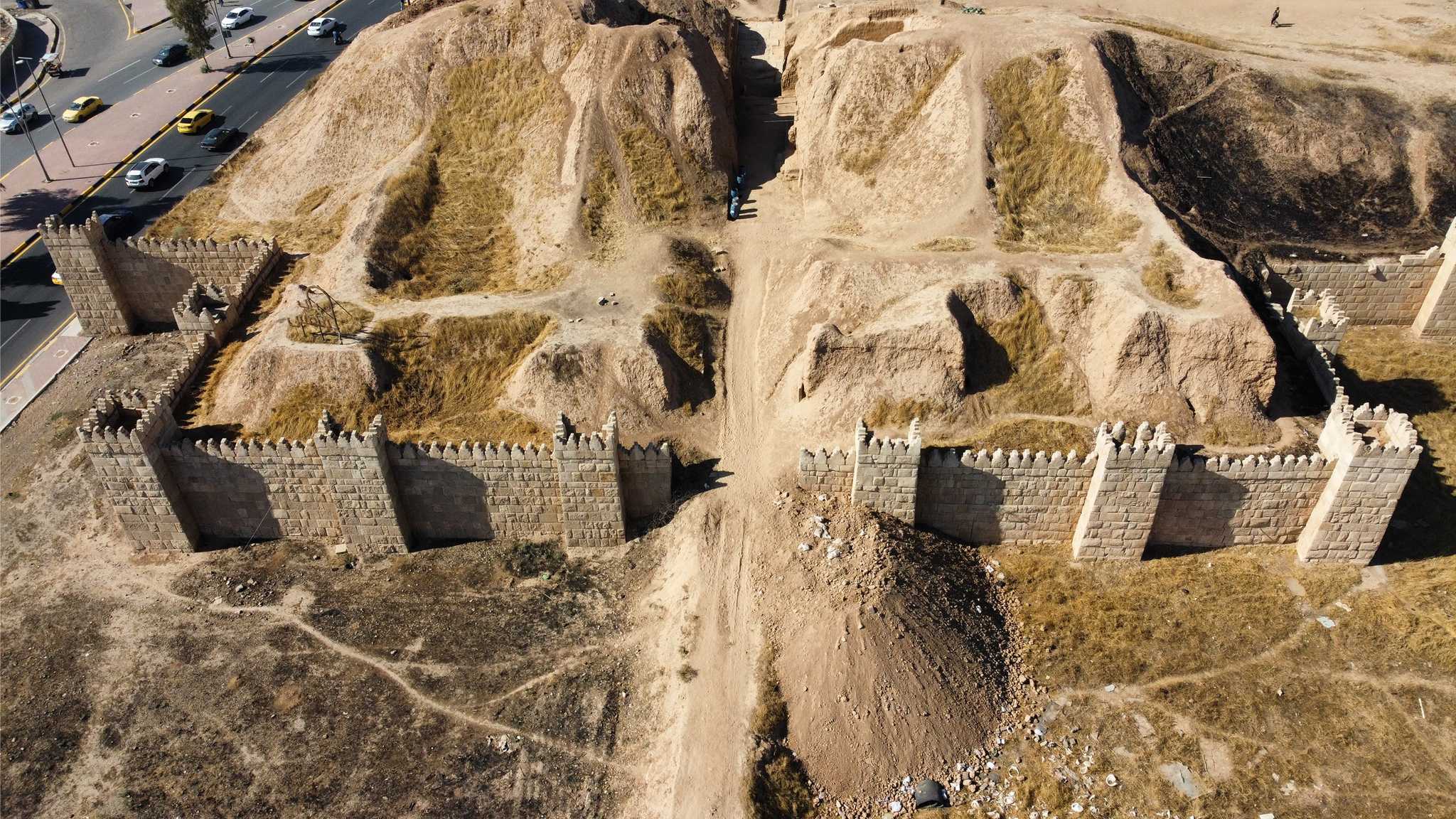
Pakistan’s Kalash Valleys—home to a unique indigenous community often linked to the legacy of Alexander the Great—have earned a place on UNESCO’s World Heritage Tentative List, a milestone that puts one of the country’s rarest indigenous communities on the path to full international recognition.
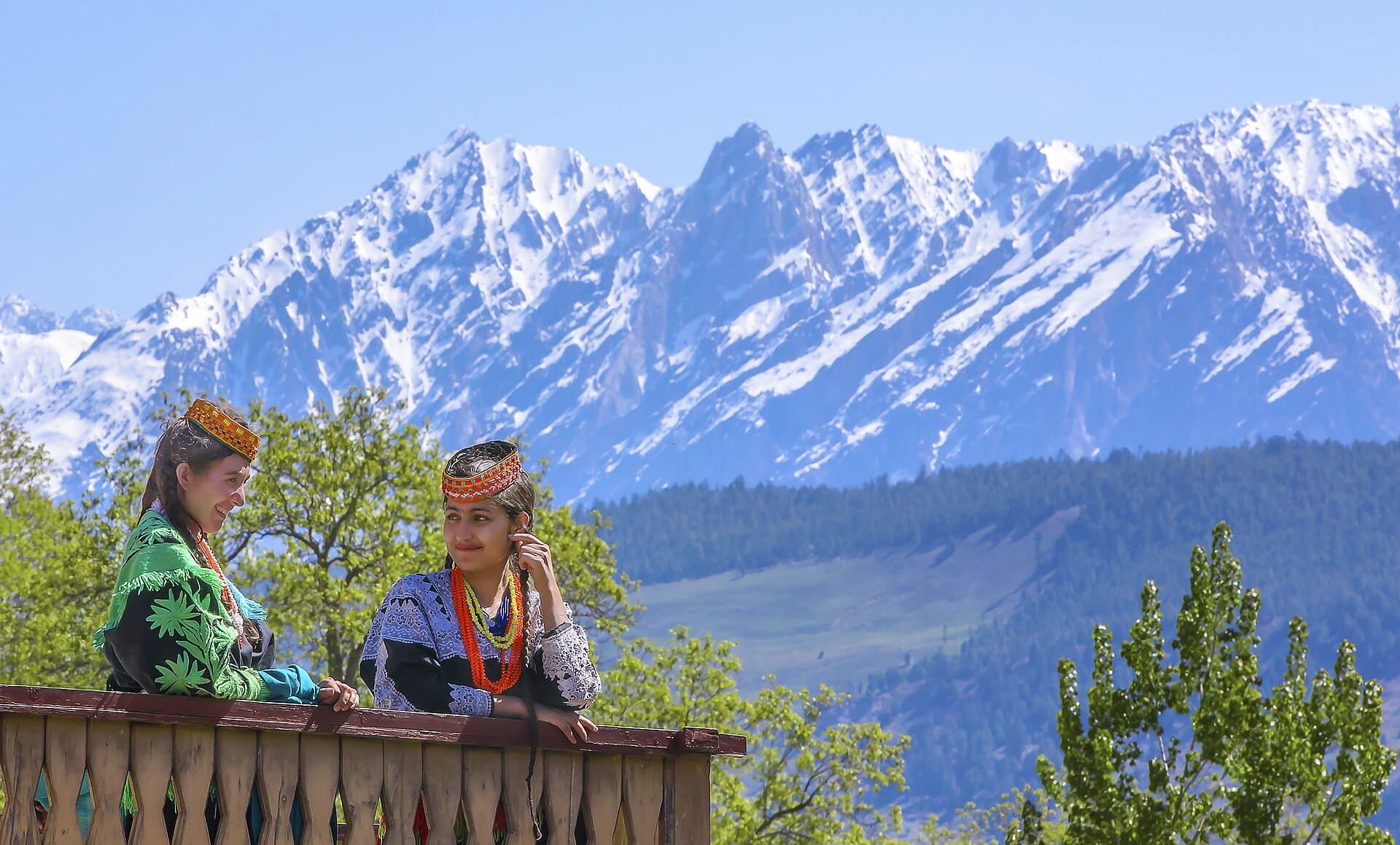
The valleys of Bumburate, Birir, and Ramboor, located in the Chitral district of Khyber Pakhtunkhwa, are home to about 4,000 Kalash people. The community has kept its traditions intact for centuries while surrounded by a predominantly Muslim society.
Being placed on the Tentative List is not a ceremonial gesture. Under UNESCO rules, it is a required step before a site can be formally nominated for full World Heritage status. Only sites already on the list are eligible.
Dr. Abdul Samad, Director General of Archaeology and Museums for Khyber Pakhtunkhwa, described the achievement as historic.
He said that it was the first time a fully functioning living community had been recognized at this level, including its active cultural practices, and that the effort had taken over a decade. The province will now work on a formal dossier for submission, covering legal protections and conservation plans.
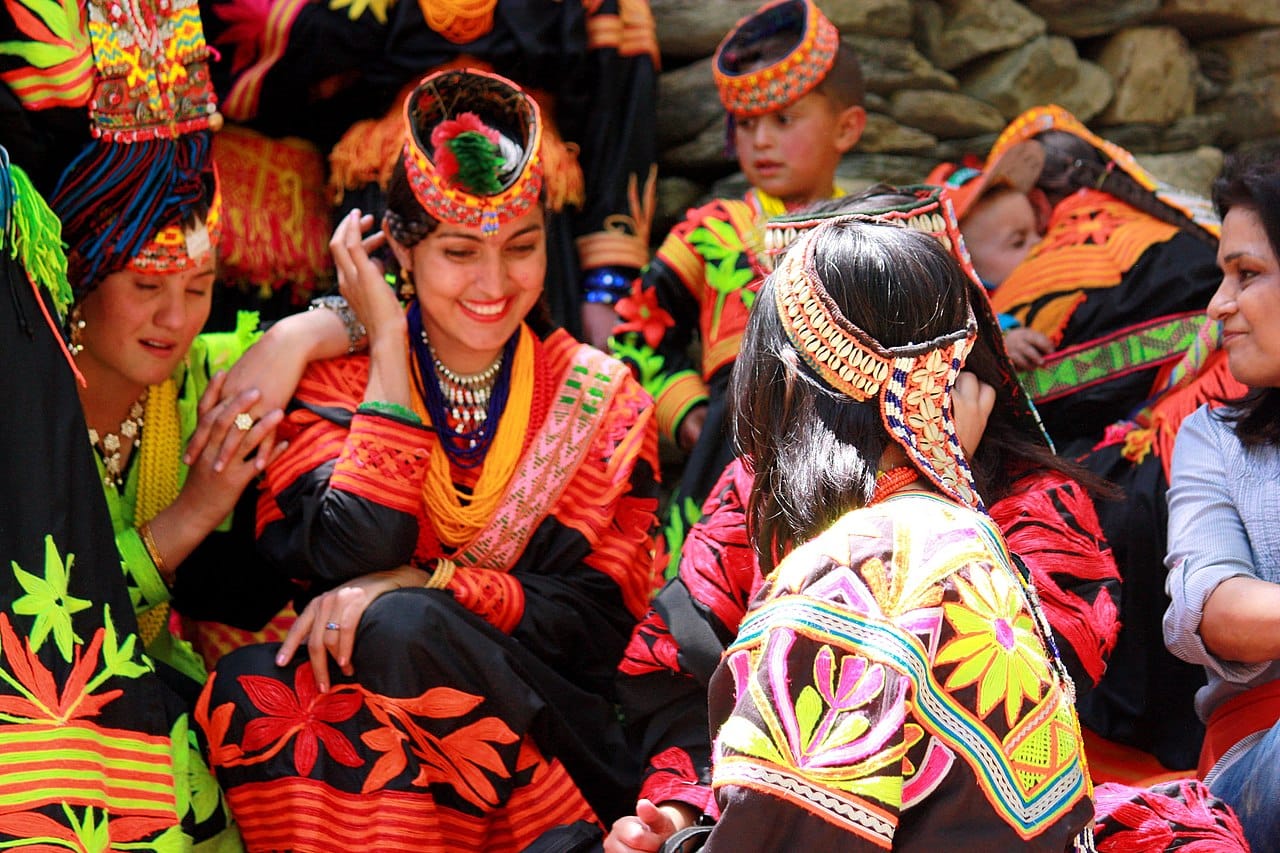
KP Governor Faisal Karim Kundi called it a long-overdue acknowledgment of the region’s rich cultural and natural heritage.
The Kalash follow a polytheistic faith in which nature plays a central spiritual role. Their beliefs have been compared to ancient Indo-Iranian traditions and, in some ways, to ancient Greek religious practices.
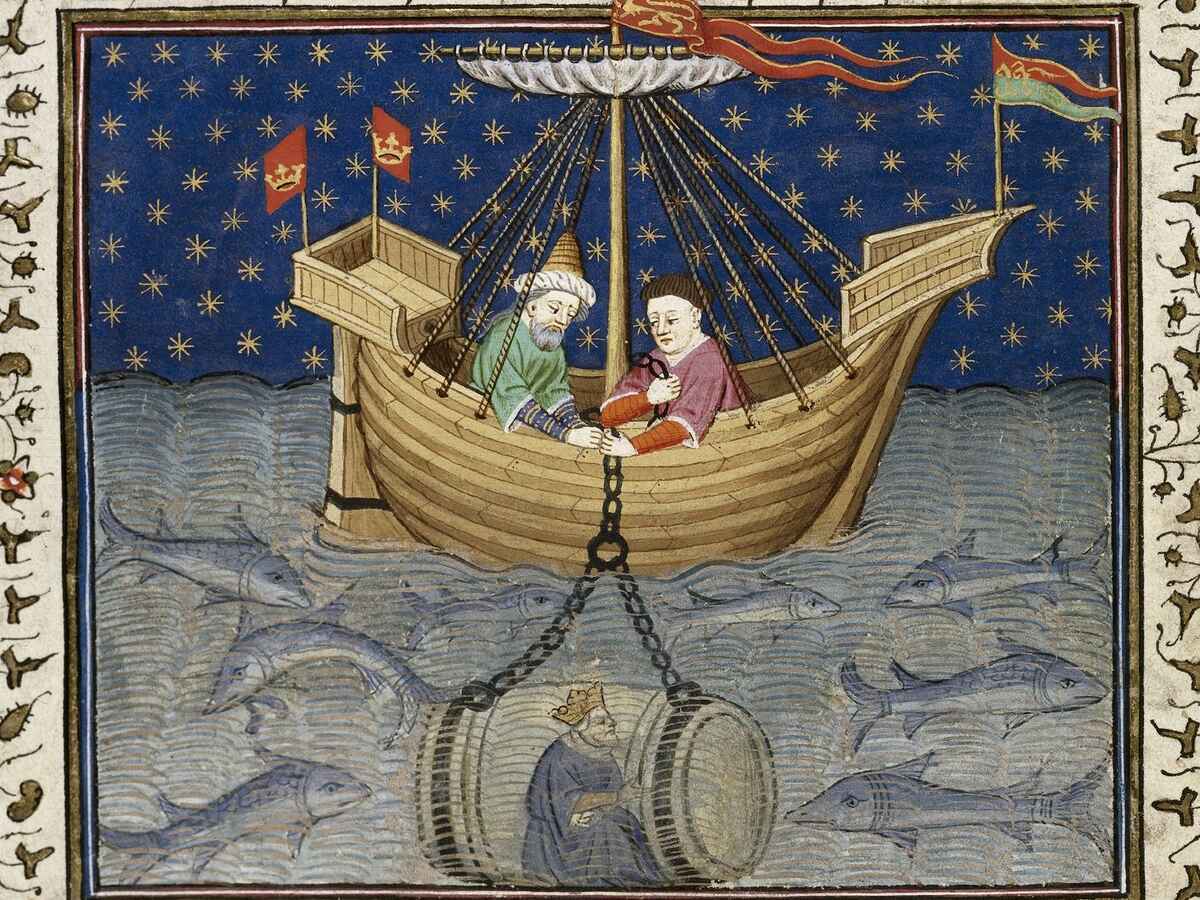
This has fueled a long-standing claim that the Kalash descended from soldiers in Alexander the Great’s army, said to have settled in the Kalash Valleys around 300 B.C. Fair skin and light eyes, common among many Kalash, are often cited in support.
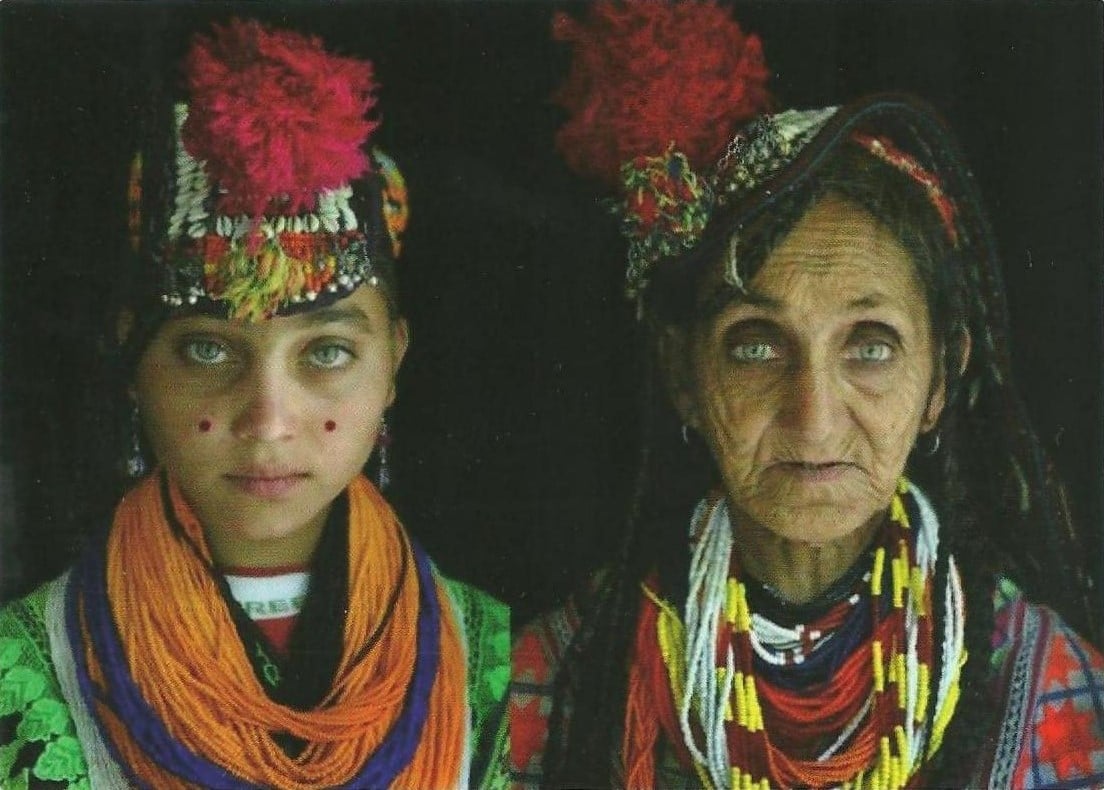
Genetic studies tell a different story, though not a simple one. Research shows the Kalash carry genetic markers found in European populations, but scientists say this more likely reflects ancient migration patterns than direct Greek ancestry. The debate continues.
The community’s heritage is both physical and cultural. It includes more than 140 ceremonial sites, graveyards with wooden carvings, and villages tied to Kalash identity.
Three annual festivals draw tourists and feature music, dancing, and homemade wine. Kalash women also hold rights rare in the region, including the freedom to choose a partner, seek divorce, or elope.
Outside pressures remain serious. Modernization, conversion, and rising tourism all pose risks. International advocacy for UNESCO recognition dates back to 2008. The listing is expected to open doors to stronger protections and greater global support for a community of 4,000 that has endured for centuries.