
The Ancient Greek Myth That Gave Europe Its Name
Categories:

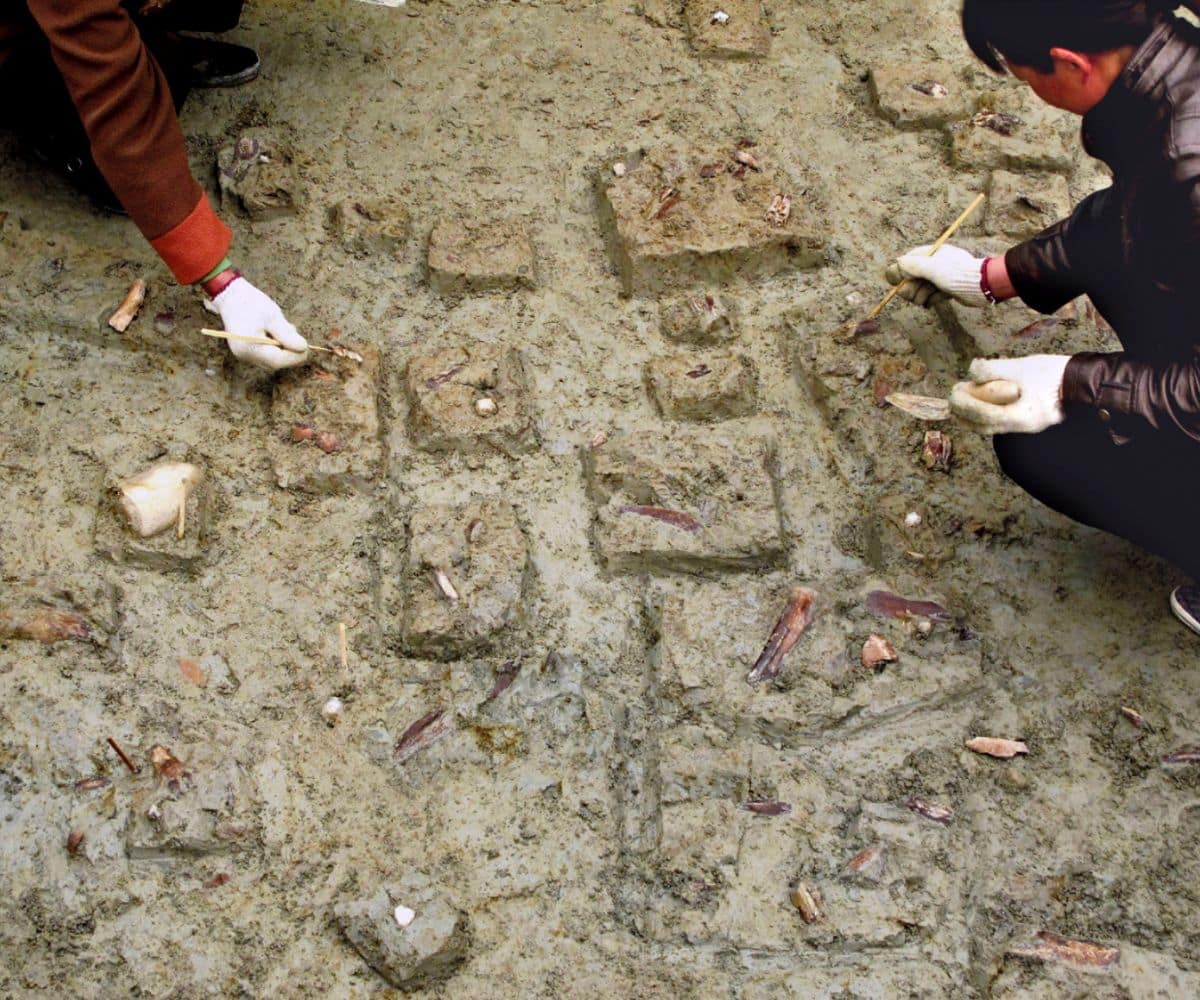
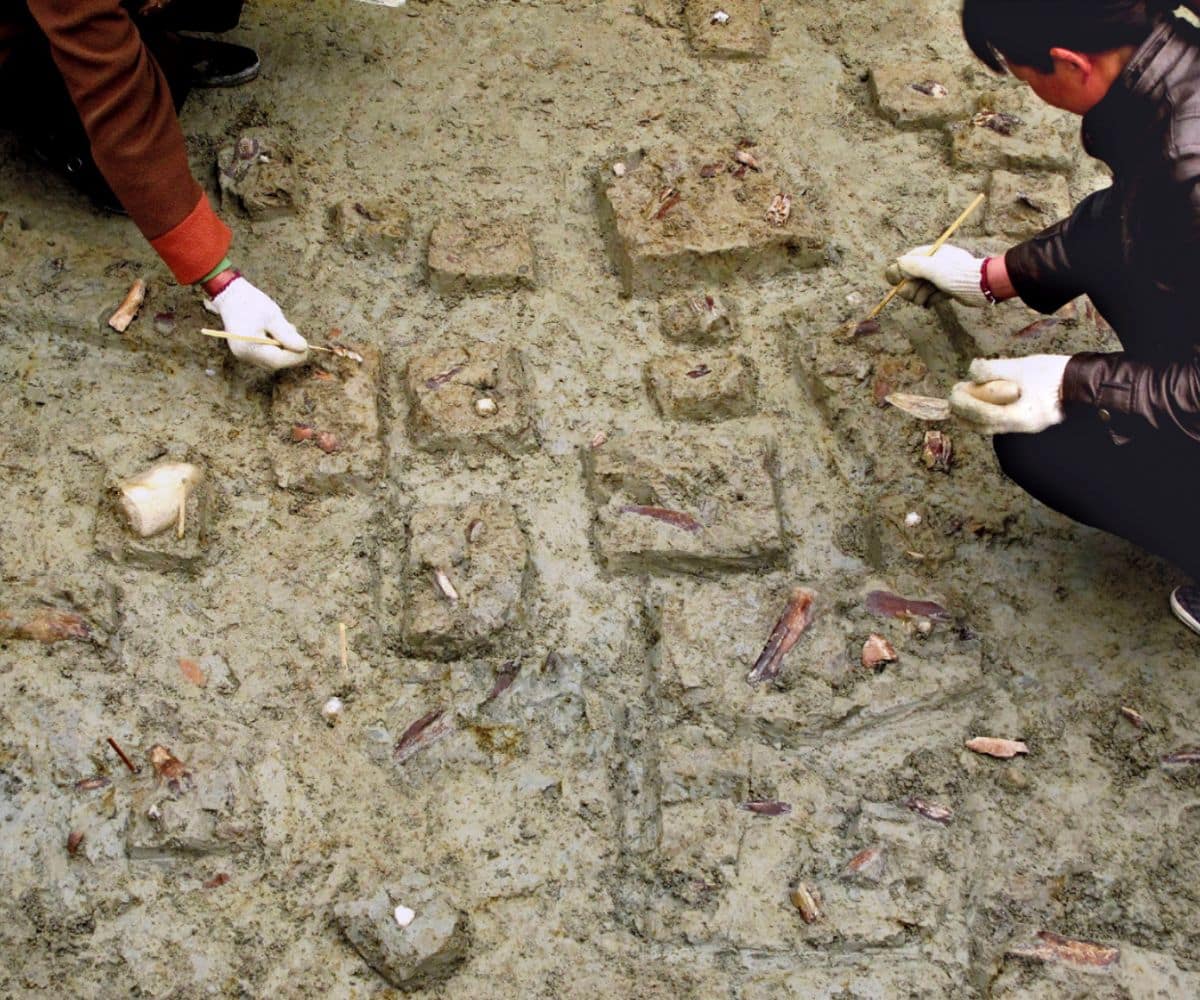
Prehistoric butcher tools recovered in China are dismantling one of archaeology’s longest-held assumptions: that early humans in eastern Asia were technologically far behind their counterparts in Africa and Europe.
A study published in the Journal of Human Evolution reveals that ancient people at the Lingjing site in Henan province were crafting sophisticated stone tools as far back as 146,000 years ago, roughly 20,000 years earlier than previously thought.
Lead researcher Yu-chao Zhao of Shandong University and colleagues analyzed 51 stone cores from the site’s two deepest layers using three-dimensional morphometrics and a logical analytical system.
The results show that Lingjing’s inhabitants mastered a systematic centripetal flaking method, the earliest confirmed use of such an advanced technique in eastern Asia.
The most complex cores show a clear hierarchical design, where one surface served as a dedicated platform and the other as the working face. This required forward planning and sustained technical skill.
For decades, eastern Asia was widely regarded as an evolutionary backwater where stone tool technology changed little for hundreds of thousands of years. This study directly challenges that view.
The Lingjing toolmakers transported raw stone from the Ying riverbed roughly 10 kilometers (6.2 miles) away, shaped bone tools, used pressure and soft-hammer retouching techniques, and left behind engraved bone fragments, all pointing to deliberate and layered behavioral complexity.
146,000-year-old stone cores used to make butcher’s tools, found in Lingjing, China. pic.twitter.com/D7sG7Tn0WK
— Tom Marvolo Riddle (@tom_riddle2025) May 8, 2026
New thorium-230 dates taken from a fossilized animal rib found near human skull fragments confirmed the older occupation timeline. Those skull fragments, reconstructed as belonging to two individuals known as Xuchang 1 and 2, had cranial capacities of roughly 1,800 cubic centimeters (109.8 cubic inches).
They also carried a striking combination of features, including inner ear structures and occipital bone traits typically associated with Neanderthals, alongside characteristics seen in early modern humans. Some researchers have suggested a possible link to Denisovans, though no genetic or protein evidence has yet confirmed that connection.
Taphonomic evidence suggests Lingjing functioned as a kill-and-butchery site rather than a permanent camp.
A comparison across 100 Chinese Paleolithic sites further showed that this discoid stone tool tradition spread as a strategic response to ecological and demographic pressures during the late Middle Pleistocene.
Zhao’s team concluded that technological sophistication and human biological complexity in eastern Asia evolved together, not in isolation.