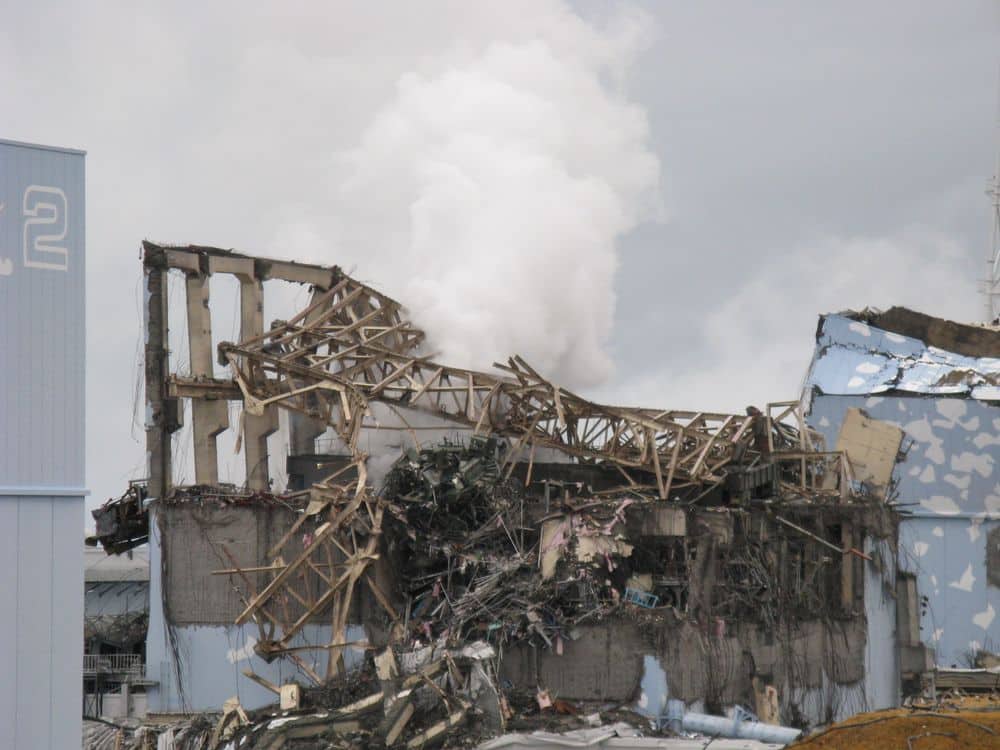
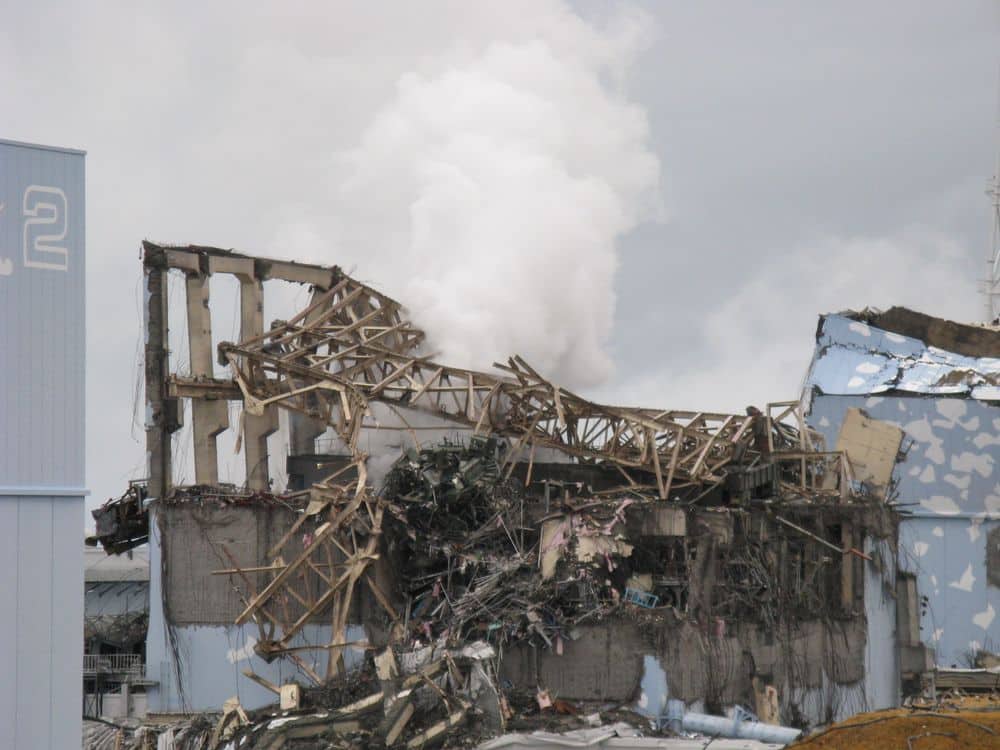
A new genetic study has revealed how escaped domestic pigs rapidly mixed with wild boar populations after the 2011 Fukushima nuclear disaster in Japan, resulting in a hybrid population that underwent genetic turnover far faster than expected.
The study examined what happened after domestic pigs escaped from abandoned farms inside the Fukushima evacuation zone following the Fukushima Daiichi Nuclear Power Plant accident. Researchers found that escaped pigs initially had a strong genetic impact on local wild boar, but that influence weakened over generations as the hybrids continued breeding in the wild.
Hybridization between domestic animals and wildlife has become a growing concern worldwide, especially in regions where feral pigs and wild boar share the same habitat. Scientists have linked such interbreeding to environmental damage, invasive population growth, and disease risks. However, the biological mechanisms behind these changes have remained poorly understood.
The Fukushima disaster provided researchers with a rare opportunity to study hybridization in the wild. After a massive earthquake and tsunami struck northeastern Japan in March 2011, thousands of residents evacuated the area.
Domestic pigs escaped into nearby forests and farmland, where they began breeding with native wild boar. Because there were no repeated pig releases and little human activity in the region, researchers viewed Fukushima as a natural experiment.
The study on the Fukushima mutant pigs was led by Shingo Kaneko and co-authored by Donovan Anderson. It was published online January 22, 2026, in the Journal of Forest Research.
A study on Fukushima’s wild pig hybrids reveals how escaped domestic pigs rapidly bred with wild boar after the 2011 nuclear disaster.
Researchers found that fast maternal breeding cycles accelerated genetic turnover, causing domestic pig DNA to fade within only few generations. pic.twitter.com/SBJYVXXOfC
— Tom Marvolo Riddle (@tom_riddle2025) May 20, 2026
Researchers analyzed mitochondrial DNA, which is inherited from the mother, along with nuclear genetic markers from 191 wild boar and 10 domestic pigs collected between 2015 and 2018. They used population genetics models to estimate how many generations had passed since hybridization and how much domestic ancestry remained.
Domestic pigs reproduce much faster than wild boar. Wild boar usually breed once each year, while domestic pigs can reproduce year-round and produce larger litters. Researchers found that this reproductive pattern continued after the pigs escaped into the wild and was passed through maternal lineages.
The results surprised researchers. Some wild boar still carried maternal DNA from domestic pigs, but most of their overall genetic makeup had already shifted back toward wild boar after several generations of interbreeding.
Many animals descended from escaped pigs were already more than five generations removed from the original crossbreeding event. Kaneko said the Fukushima findings showed that the mutants reproduced so quickly that domestic pig genes became diluted far faster than researchers expected.
Researchers said the findings may help improve wildlife management and invasive species control strategies. Anderson noted that the same genetic process is likely occurring in other regions where feral pigs and wild boar continue to interbreed.