The Turkish Ministry of Culture and Tourism has officially declared the Granicus Battlefield—where Alexander the Great secured his first major victory against the Persian Empire—a “protected historical and archaeological site.”
According to a ministry announcement and statements shared on social media by Culture and Tourism Minister Mehmet Nuri Ersoy, the decision was based on recent archaeological discoveries and scientific studies in the Biga district of Çanakkale (Dardanelles).
Following extensive field surveys, scientific data evaluation, and the analysis of ancient sources linked to the Battle of the Granicus, the Çanakkale Regional Council for the Conservation of Cultural Property determined that the area meets all criteria for designation as an archaeological site.
The ministry highlighted the location as one of the most iconic landmarks in military history, marking the definitive starting point of Alexander the Great’s triumph over the Persian Empire.
In a social media post, Minister Mehmet Nuri Ersoy stated:
“We have officially placed the grounds of a battle that reshaped world history under state protection. The Granicus Battlefield, where Alexander the Great achieved his first major victory against the Persians and paved his way into Asia, has now been designated a ‘historical site.’ Located in Biga, Çanakkale, this unique landmark is officially protected in light of archaeological finds and rigorous scientific research. We believe this crucial step will significantly contribute to historical scholarship, boost cultural tourism, and enrich our country’s cultural routes.”

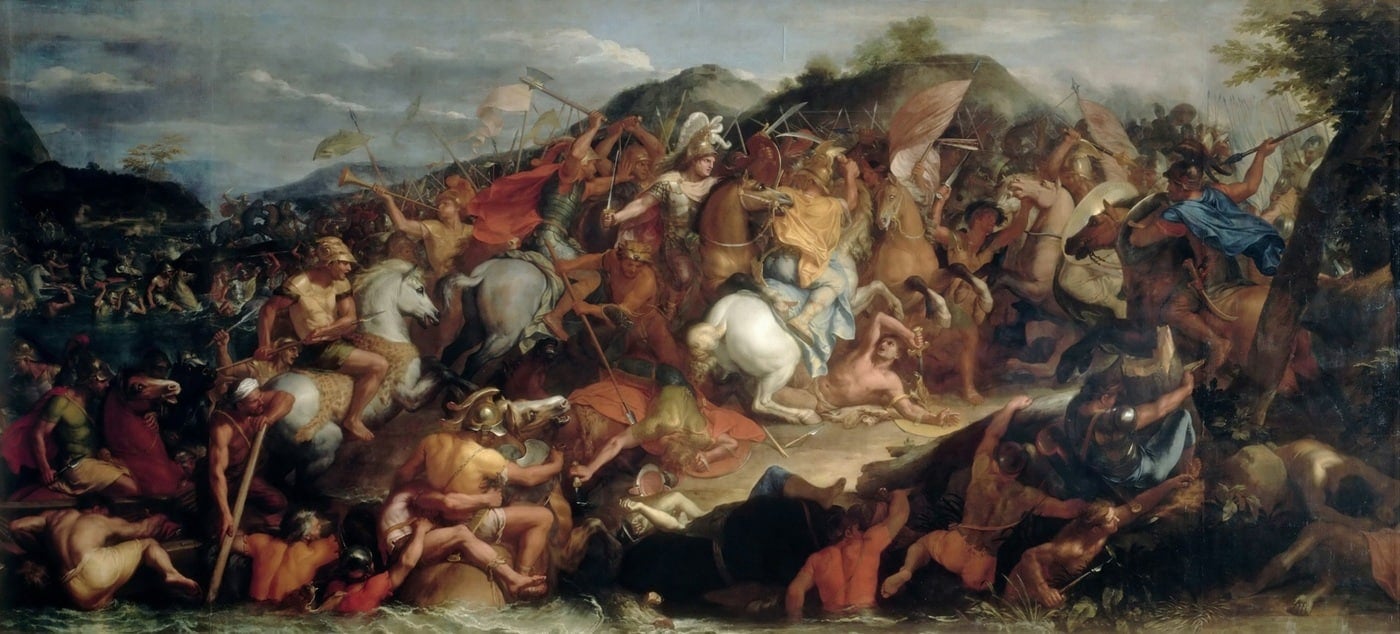
The Battle of the Granicus, fought in May 334 BC near modern-day Biga in northwestern Turkey, was Alexander the Great’s dramatic opening salvo against the Persian Empire. Having recently crossed the Hellespont into Asia Minor with roughly 32,000 infantry and 5,100 cavalry, the 21-year-old Macedonian king confronted a combined force of local Persian satraps (governors) and highly capable Greek mercenaries.
The Persians, positioned defensively along the steep, muddy eastern banks of the Granicus River, hoped to neutralize Alexander’s aggressive tactical style by forcing him to fight from a disadvantageous position in the water. Rejecting the cautious advice of his veteran general Parmenion to delay the attack, Alexander ordered an immediate, highly risky amphibious assault in broad daylight.
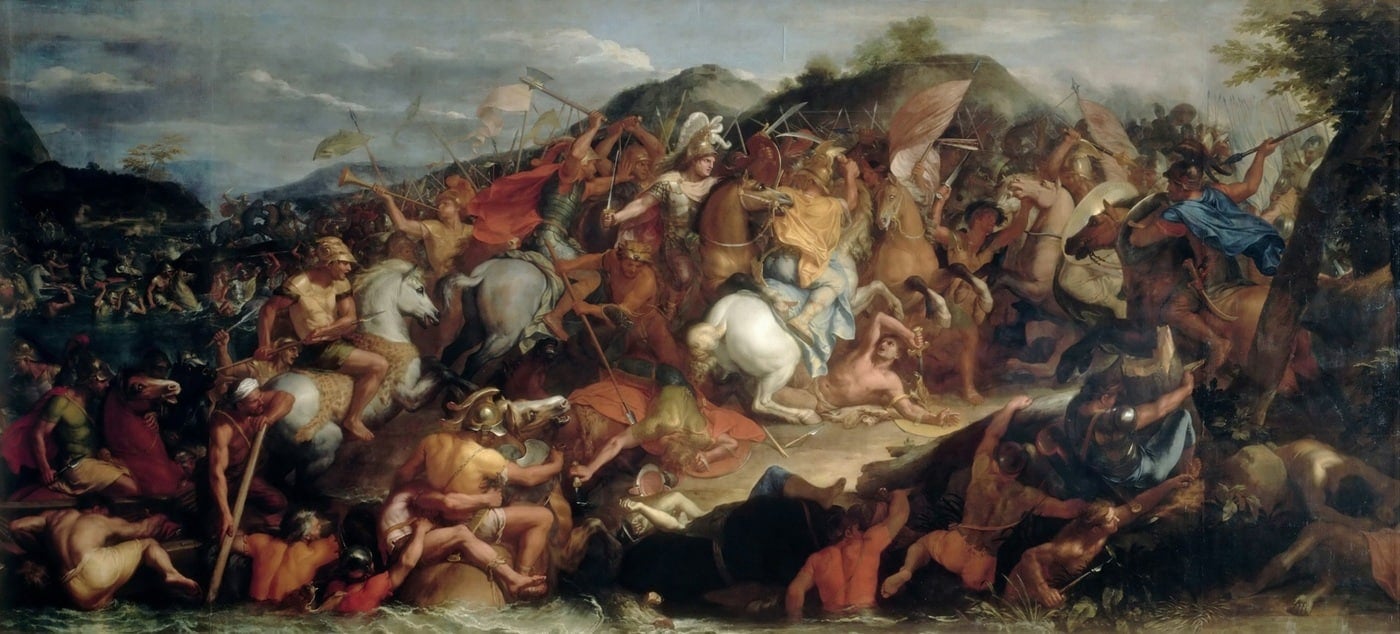
The engagement quickly devolved into a chaotic, brutal melee within the riverbed and up the muddy slopes. Alexander personally led the elite Companion Cavalry from the right wing, instantly becoming a prime target due to his conspicuous, brightly plumed helmet.
The fighting was so fierce that Alexander was nearly killed; a Persian noble shattered his helmet with a battleaxe, and just as another was about to deliver a fatal blow, his captain Cleitus the Black severed the attacker’s arm, saving the young king’s life.
Once the formidable Macedonian phalanx (infantry formation) crossed the river to support the cavalry, the Persian battle lines shattered. The victory was absolute: the Persian leadership was decimated, the surviving Greek mercenaries were ruthlessly executed or enslaved, and the psychological myth of Persian invincibility was shattered, effectively throwing open the gates of Asia Minor to Alexander’s conquering army.
Related: Archaeologists Identify Location of Alexander the Great’s Battle of Granicus