Archaeologists have uncovered the remains of a Roman basilica at Tusculum, an ancient city located about 30 kilometers (18.6 miles) from Rome, dating it back to the 2nd century B.C.
The discovery places the structure among the oldest known examples of Roman public basilica architecture, adding a significant piece to the puzzle of how Rome shaped its cities during the Republican era.
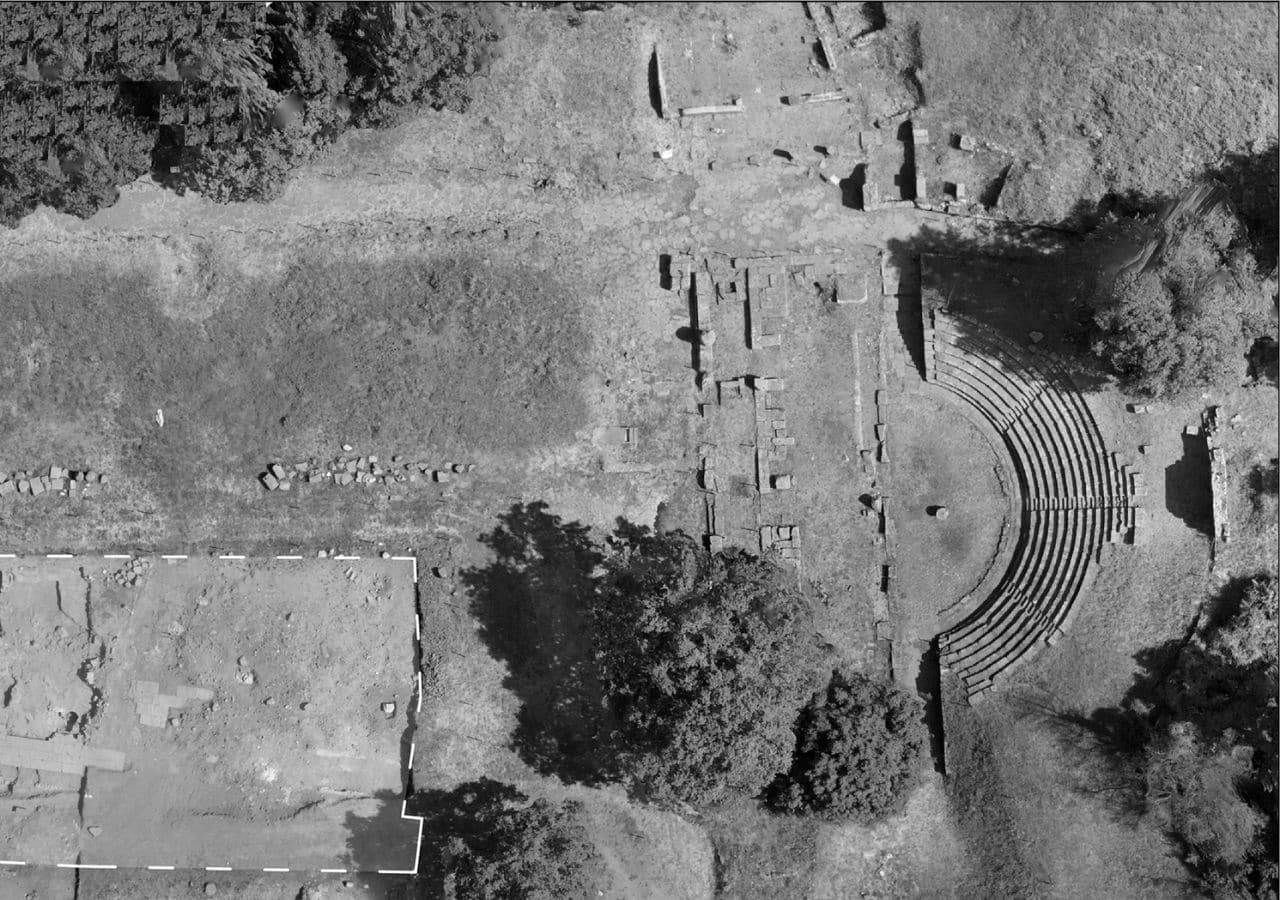
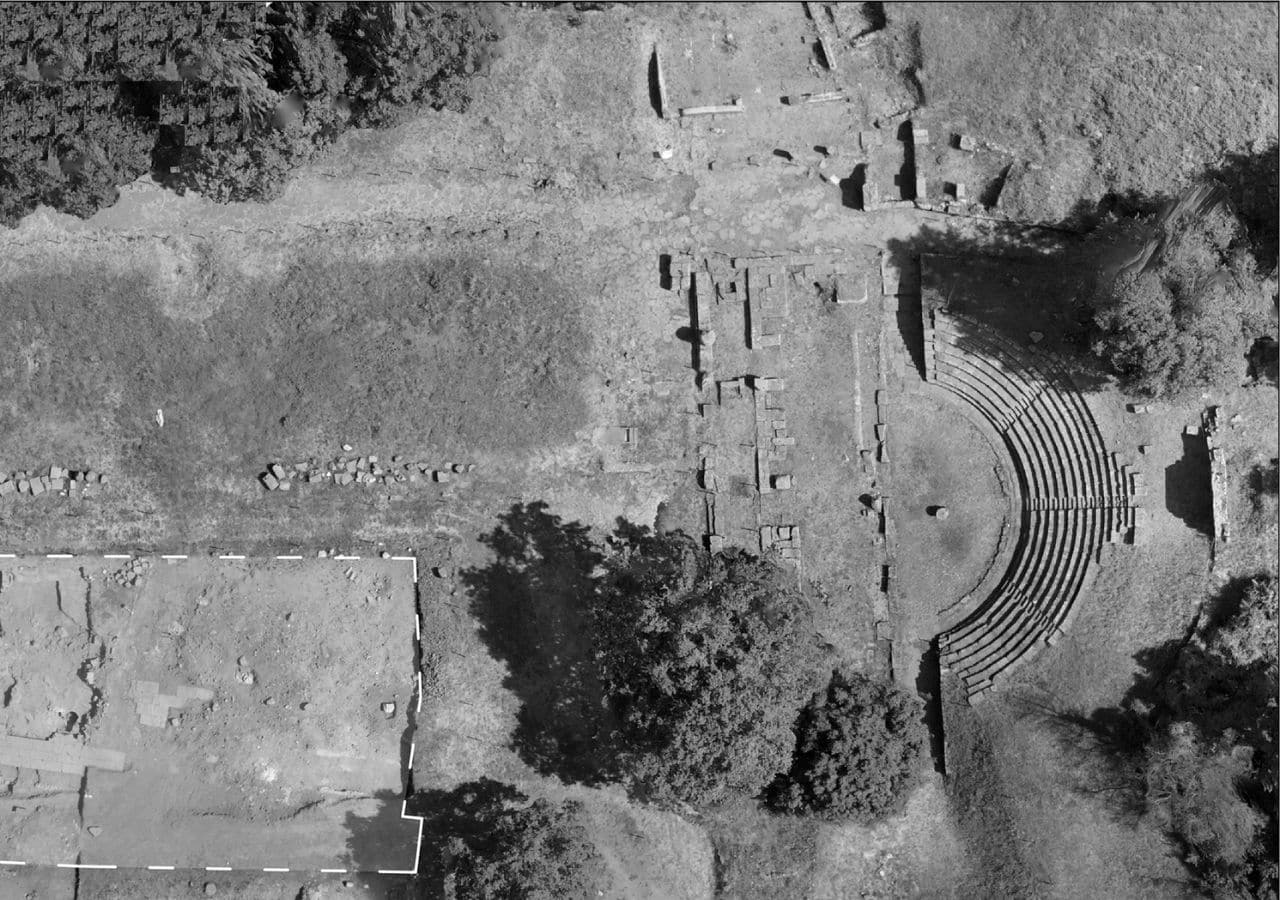
Researchers from the Spanish School of History and Archaeology in Rome, known as EEHAR-CSIC, made the find in the southern part of Tusculum’s forum. The forum served as the political and social heart of the city.
The basilica had remained hidden beneath later imperial-era structures for centuries. Antonio Pizzo, who leads the project, said the building is one of the earliest known examples of its type and joins a small, well-documented group of Republican basilicas.
The structure measured 17.7 by 25.2 meters (58 by 82.7 feet). Its monumental facade featured a series of arches resting on nine flat pilasters, an architectural arrangement known as the “Theatermotiv.”
Pizzo noted that if researchers confirm this interpretation, it would mark the first time this design appears in Roman architecture. Until now, this style had only been identified in later, exceptional buildings such as the Tabularium in Rome.
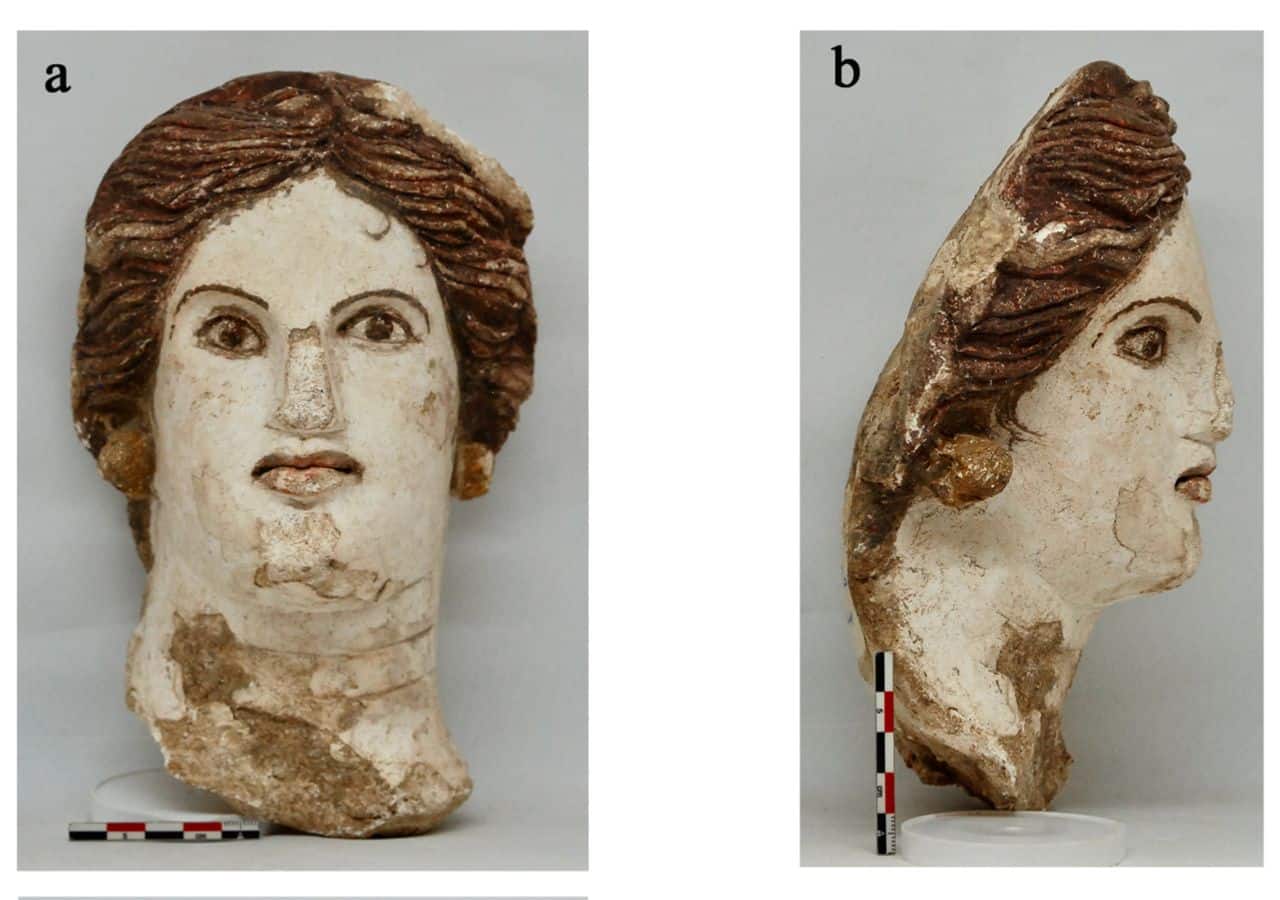
Among the most striking finds was a polychrome stucco capital discovered inside one of the building’s rooms. It depicts a female head rising from a cup of acanthus leaves, flanked by Ionic scrolls and floral motifs painted in white, red, and green.
The timing of the basilica’s construction aligns with the rise of powerful families from Tusculum, including the Mamilia, Fulvia, and Porcia clans.
The Porcia family produced Marcus Porcius Cato, famous for his repeated calls to destroy Carthage before the Third Punic War. Pizzo said these families drove a wave of monumental construction that went hand in hand with Rome’s growing power across the Mediterranean.
Researchers also linked the site to Marcus Fulvius Nobilior, one of the most influential figures of the 2nd century B.C.
After defeating the Aetolian League in Greece, he returned to Rome with Hellenistic art and treasures. An inscription found at Tusculum confirms that some of that spoil went to his hometown.
Francesco De Stefano, co-author of the study published in the Journal of Roman Archaeology, said the discovery contributes valuable knowledge about the origins of this building type and key innovations in Roman public architecture.
The EEHAR-CSIC team has worked at Tusculum continuously since 1994, excavating its forum, theater, and baths. In 2023, they also uncovered a well-preserved marble female statue, with further details expected soon.