Archaeologists are excavating a prehistoric cave in northern Israel that could provide rare insights into early human life, how they adapted, and developed new technologies hundreds of thousands of years ago.
The cave was discovered on the outskirts of Fureidis, south of Haifa, near the Zichron Ya’acov interchange. The excavation is being led by the Israel Antiquities Authority (IAA) in partnership with researchers from the University of Haifa. Funding for the project is being provided by Ayalon Highways Company.
Researchers date the cave to between 250,000 and 400,000 years ago, placing it within the Acheulo-Yabrudian cultural complex, a group of prehistoric cultures that existed in the Levant during the final stages of the Lower Paleolithic period.
The site has drawn attention because of its exceptional state of preservation. “It is very rare to find a site in such a state of preservation,” said Dr. Kobi Vardi, head of the IAA’s Prehistory Branch and one of the excavation directors. “Every prehistorian who visits the site is absolutely thrilled.”
Vardi said the cave is comparable in importance to the famous Nahal Me’arot caves in northern Israel, which date to the same period. “The site, which is no less important than the well-known Nahal Me’arot site, and dates to the same period, will allow us to study in high resolution how humans lived at that time,” he said.
Excavations have already uncovered animal bones belonging to fallow deer, gazelles, and ancient horses. Researchers have also found evidence of a nearby water source, suggesting the area may have attracted prehistoric hunter-gatherer groups.
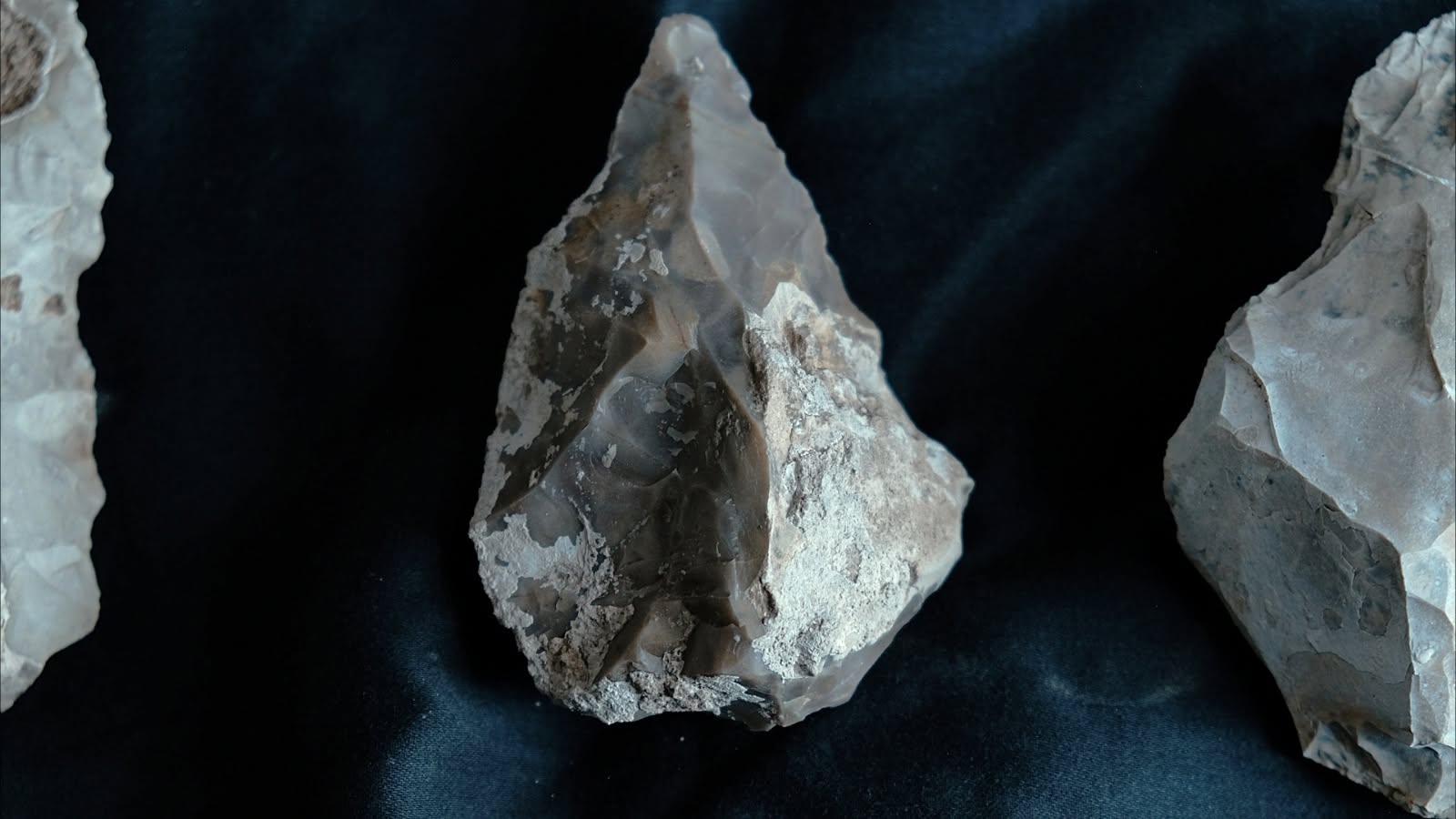
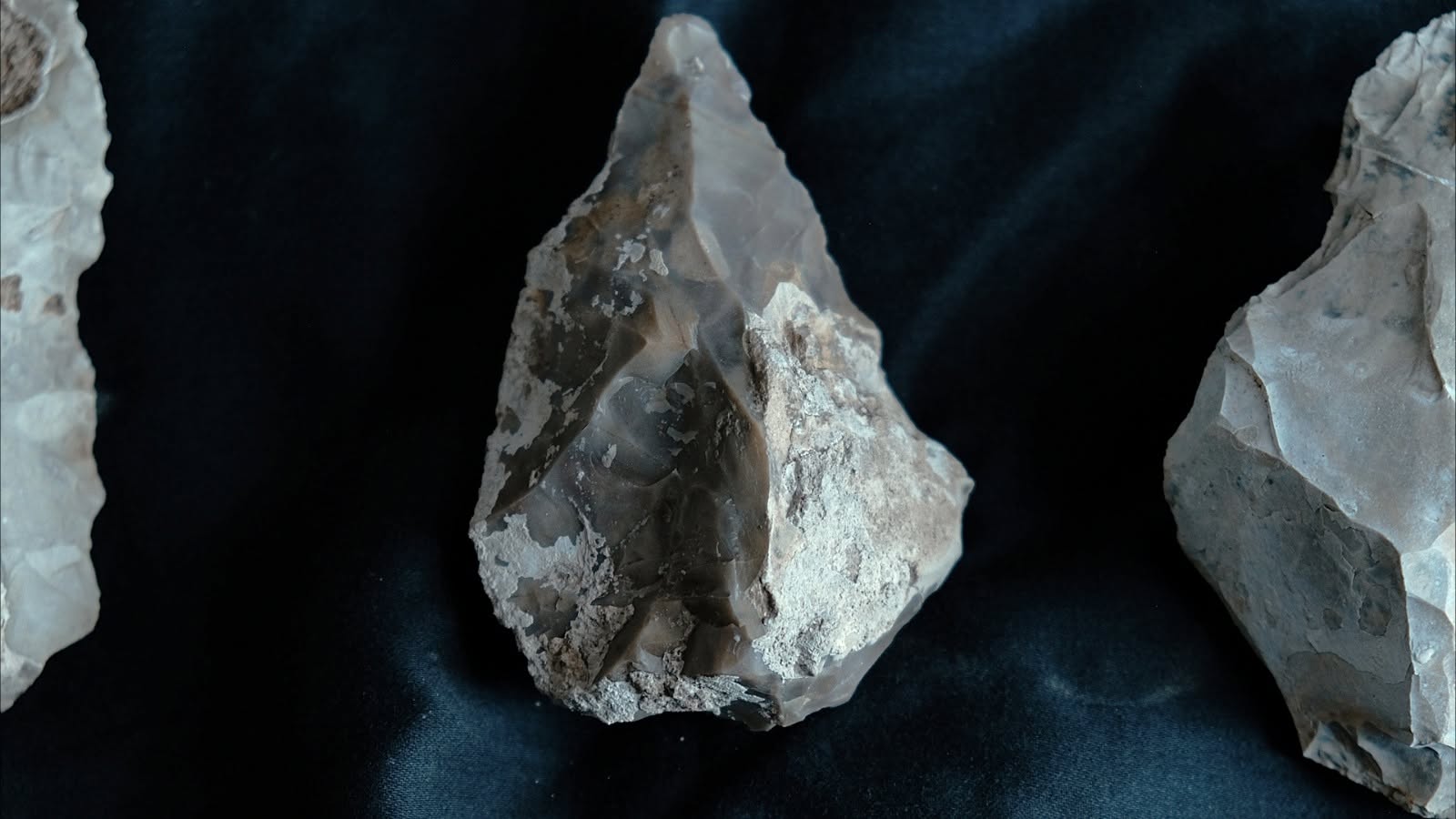
The Acheulo-Yabrudian culture is known for advanced stone-tool production. Archaeologists say people living during this period produced carefully crafted flint tools, including handaxes, scrapers, and blades. These technologies reflect an important stage in human development.
Researchers believe the cave may help answer key questions about a period that preceded the rise and spread of both Neanderthals and modern humans.
“We have been fortunate to excavate a unique site of global importance that has been protected from the ravages of time thanks to the exceptional conditions that existed here,” said Prof. Ron Shimelmitz of the University of Haifa.
“This time capsule belongs to a unique period at the end of the Lower Paleolithic era, just before Neanderthals and modern humans became dominant and spread across many regions,” he said.
According to Shimelmitz, the Acheulo-Yabrudian period marked a turning point in human evolution. Gradual changes in technology, social organization, and behavior began to emerge during this era, laying the foundations for more complex societies.
Researchers believe people started living in larger groups and spending longer periods at the same locations. Evidence from similar caves points to repeated use of fire and extended occupation, suggesting increasingly organized camp life and stronger social cooperation.
“These are findings that many researchers associate with the development of social cooperation and the transmission of knowledge, as part of the processes of human evolution,” Shimelmitz said.
The IAA and the University of Haifa plan to launch a broader research program at the site. Researchers also hope the cave will eventually be opened to the public, allowing residents, students, and visitors to explore one of the region’s most important prehistoric discoveries.