Archaeologists in Croatia have uncovered a rare late Roman stone sarcophagus in Cavtat, a coastal town built on the site of the ancient Greek city of Epidaurum (Greek: Ἐπίδαυρος).
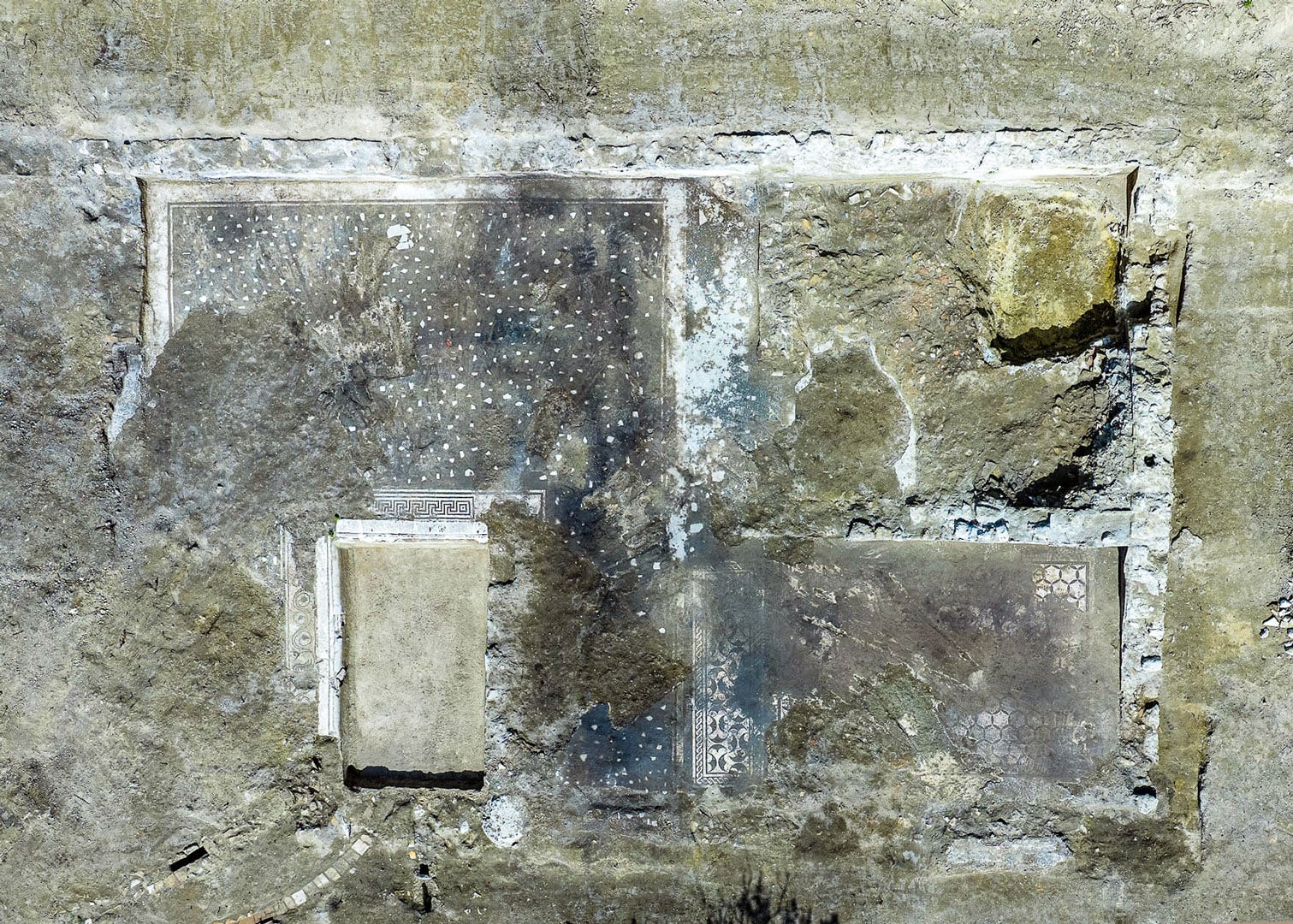
The discovery was made during protective excavations at the Zorina 8 site. The work was carried out by the Museums and Galleries of Konavle, which investigated part of a late antique cemetery in the area.
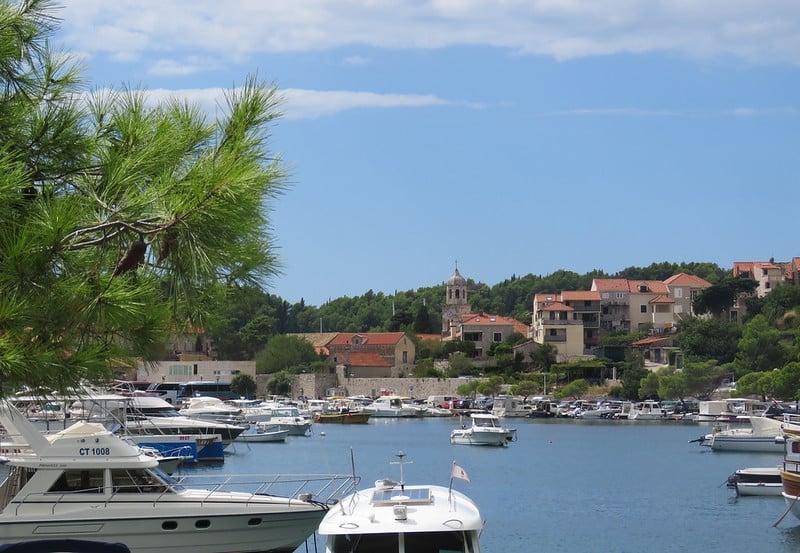
Epidaurum began as an ancient Greek colony and later developed under Roman rule. The settlement stood at present-day Cavtat, about 15 kilometers (9 miles) south of Dubrovnik. The new find adds another layer to the town’s long archaeological record.
The excavation revealed several types of graves. Archaeologists found masonry tombs, amphora burials, and graves built from stone slabs and roof tiles. The range of burials shows that different funerary traditions existed in the same cemetery.
The sarcophagus is considered the most important find from this year’s excavation. It weighs about five tonnes and was carved from local limestone. Researchers date it to between the fourth and sixth centuries.
Archaeologists found the sarcophagus intact and still in its original position. That makes the discovery unusual. Well-preserved sarcophagi from this period are rare in Croatia, especially when they remain undisturbed at the burial site.
The find may help researchers better understand burial customs in Epidaurum during late antiquity. It also points to the continued importance of the settlement in the final centuries of Roman influence in the region.
Archaeologists in Croatia have uncovered a rare late Roman stone sarcophagus in Cavtat, once the ancient Greek city of Epidaurum.
The five-tonne limestone tomb was found intact in a late antique cemetery and may reveal new clues about burial customs on the Adriatic coast. pic.twitter.com/d77hTa11bu
— Tom Marvolo Riddle (@tom_riddle2025) June 16, 2026
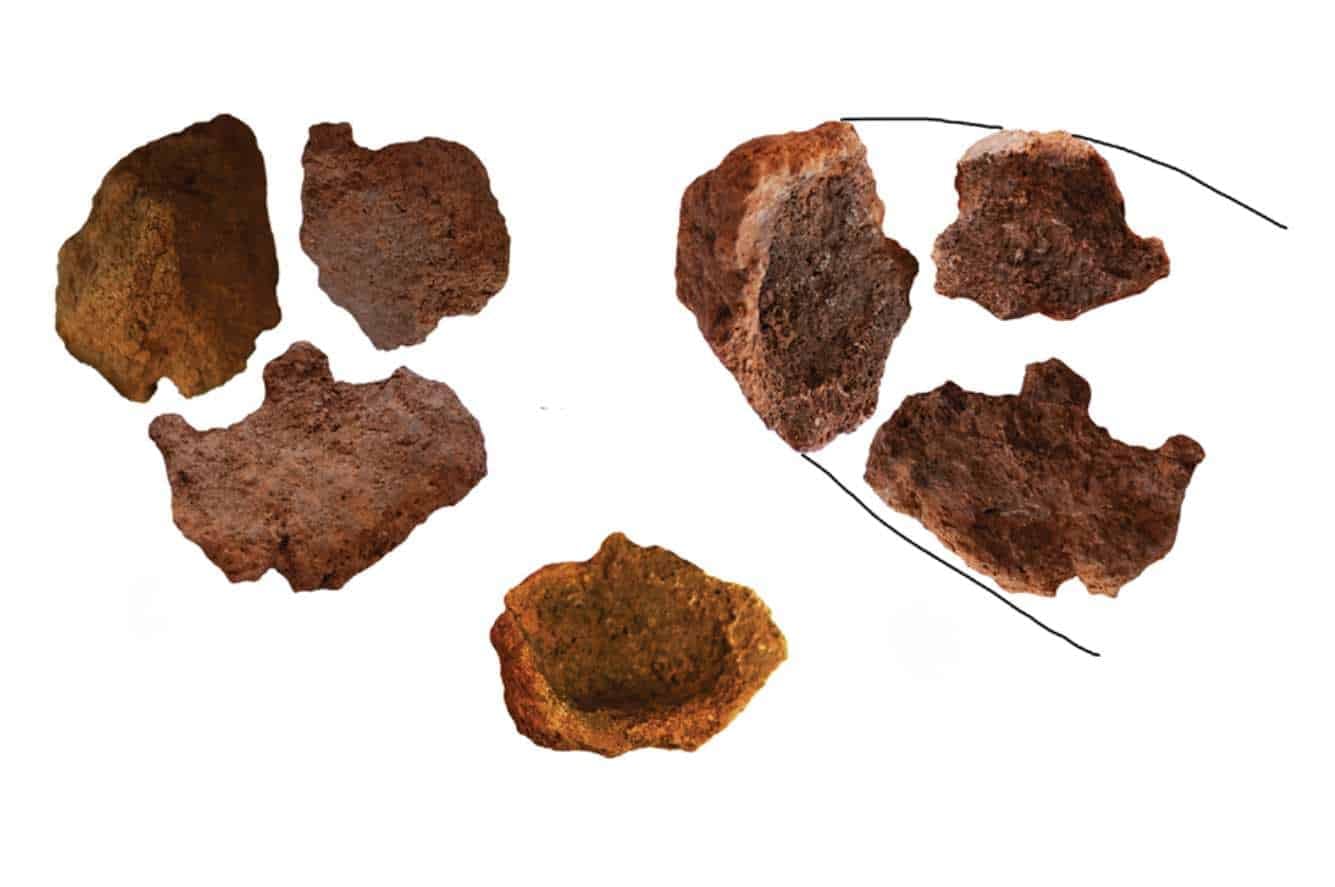
Inside the sarcophagus, archaeologists identified the primary burial of one person. The skeletal remains were poorly preserved. However, researchers recovered organic traces and other materials from the tomb.
Those remains will undergo laboratory analysis. The results may reveal more about the person buried inside. They may also provide details about health, diet, burial conditions or the wider community that used the cemetery.
Experts believe a local stone-carving workshop made the sarcophagus. Its size and careful construction suggest skilled craftsmanship in Epidaurum. The use of local limestone also suggests it was produced near the burial site, rather than imported from elsewhere.
After research at the site was completed, the sarcophagus was placed in a public area near the Račić Family Mausoleum and St. Roko Cemetery. Residents and visitors can now view the monument in Cavtat.
Officials said the display gives the public a closer look at the town’s ancient heritage. It also strengthens Cavtat’s connection to Epidaurum, whose remains continue to shape understanding of the Adriatic coast’s Greek and Roman past.
The excavations were organized by the Museums and Galleries of Konavle. Archaeologist Helena Puhara led the work, with support from experts from several local cultural institutions.