Archaeologists in southeastern Turkey have uncovered evidence of 12,000-year-old pottery that may rank among the earliest known ceramics in Southwest Asia. The discovery suggests that people were experimenting with clay vessels thousands of years before pottery became widely used across the region.
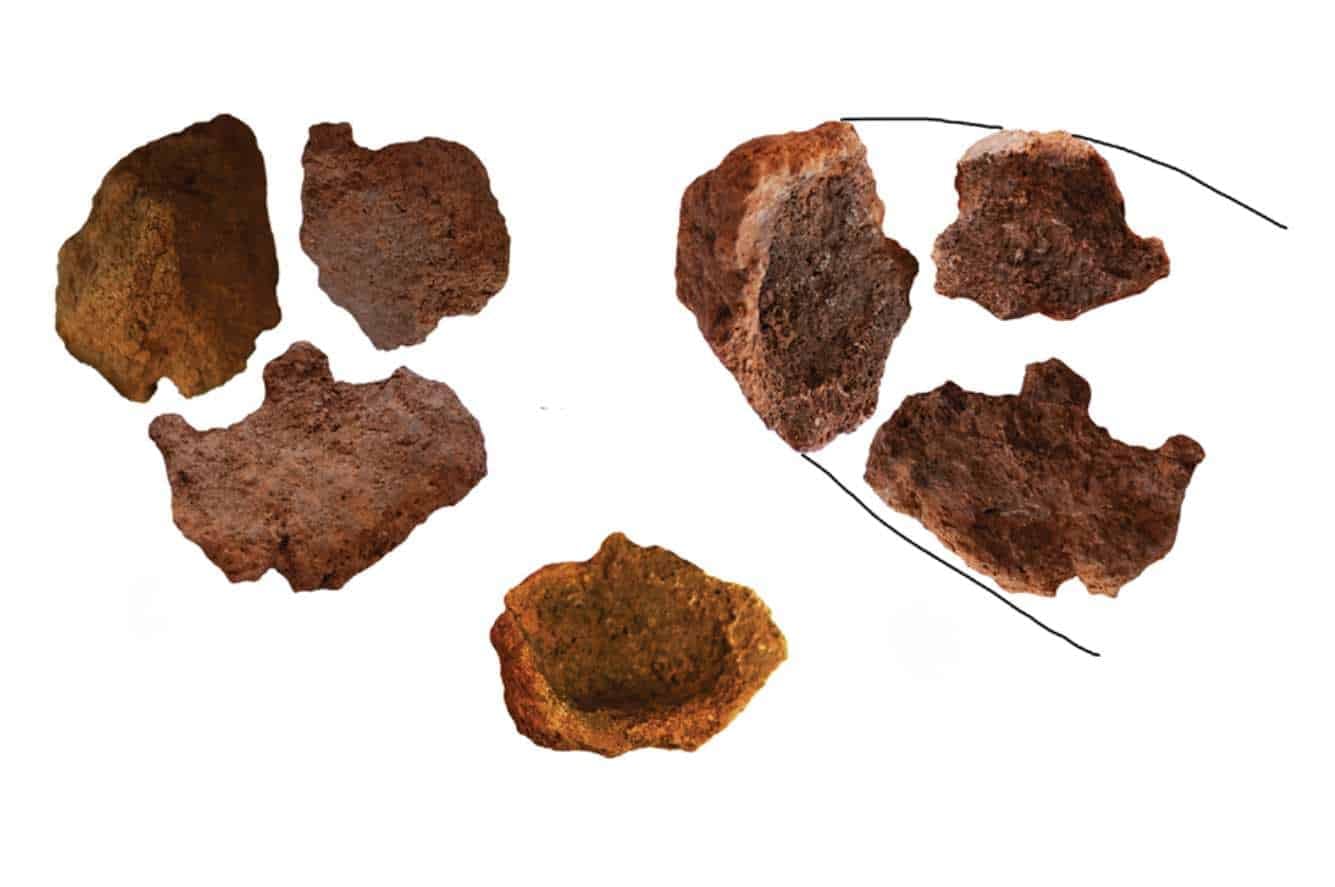
The study, led by Ergül Kodaş and published in Antiquity, examined fragments of low-fired clay vessels from the ancient settlement of Çemka Höyük in modern-day Mardin Province. Researchers found that the pottery dates to around 9350 BC, during the Pre-Pottery Neolithic A period, long before the widespread adoption of ceramics in the seventh millennium BC.
The findings challenge long-held ideas about when and how pottery first developed. Rather than appearing suddenly, researchers argue that ceramic technology emerged gradually through local experiments with clay and fire.
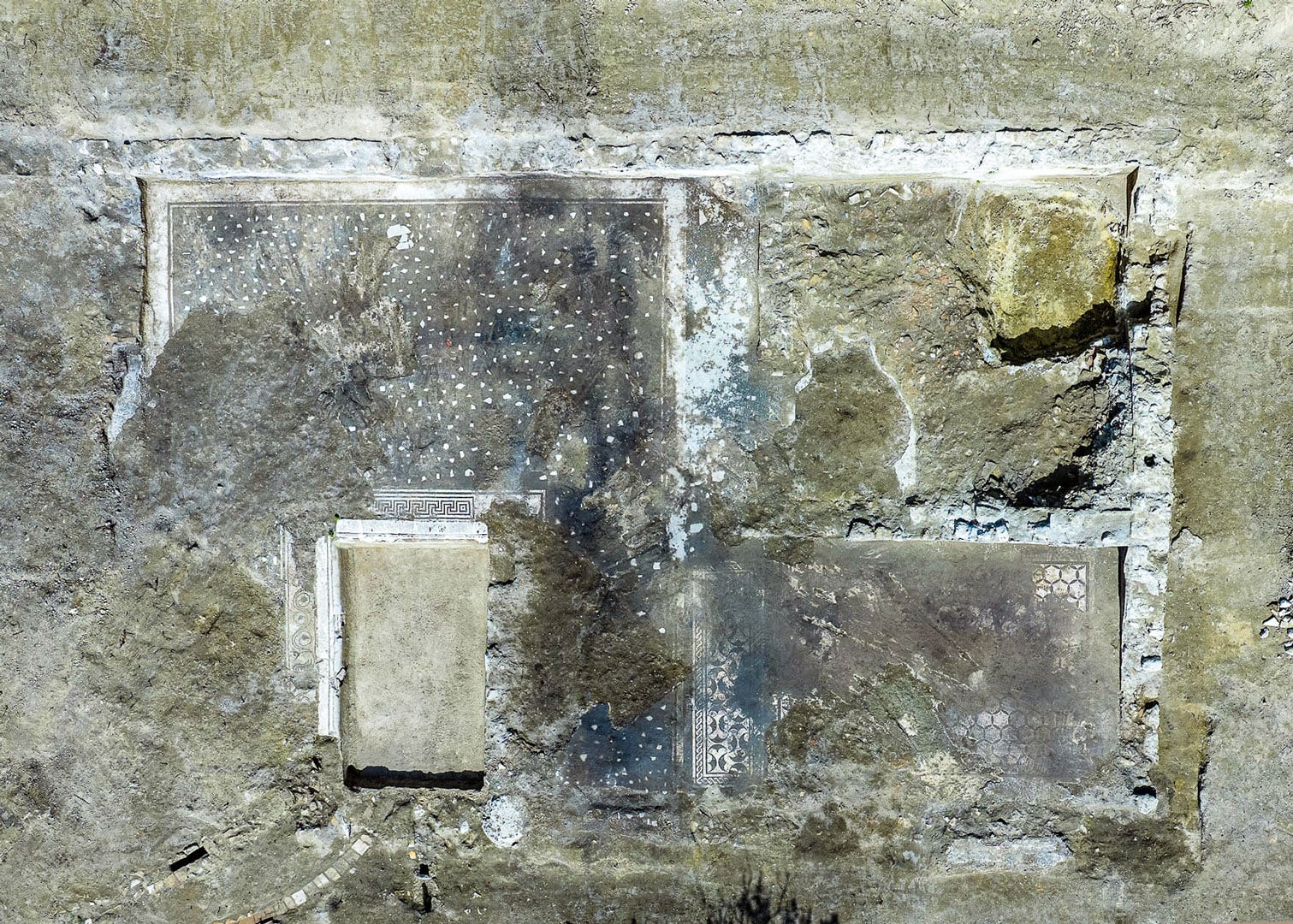
Excavations at Çemka Höyük revealed a settlement occupied continuously between about 10,800 BC and 8,700 BC. Researchers identified 46 clay fragments belonging to at least nine different objects, including vessels and clay-coated items.
The ancient inhabitants used clay in many ways. They coated walls with it, made mudbricks, and even applied clay to organic materials. This widespread use suggests that clay had already become part of everyday life nearly 12,000 years ago.

Researchers found that some fragments belonged to containers, while others appear to have covered organic objects or served as additions to stone vessels. One clay piece may have been attached to a stone container to increase its storage capacity.
The diversity of these objects points to a transitional stage in human technology, when communities were still exploring the properties and uses of clay.
Detailed analysis showed that the vessels were not accidental products of fire. Researchers found evidence that the clay had been intentionally mixed with plant materials and sometimes animal dung before firing.
The vessels were shaped using layered slabs of clay and heated at relatively low temperatures of about 600 to 700 degrees Celsius. The firing process created permanent chemical changes in the material, qualifying the objects as true ceramics.
Some vessels showed black cores and reddish surfaces, signs of controlled heating followed by cooling in low-oxygen conditions. Such techniques indicate that early potters already understood how fire altered clay.
Researchers also detected microscopic traces of dung in some samples. These materials likely improved the vessels’ resistance to heat and cracking.
The pottery fragments displayed different shapes and sizes, suggesting that communities experimented with various designs before standardized ceramic traditions emerged.

The earliest known pottery in the world dates to East Asia around 16,000 years ago. Africa also shows evidence of early ceramics dating back roughly 10,000 years.
The newly studied material from Çemka adds important evidence from Southwest Asia, a region central to the rise of farming and settled life. Until recently, researchers believed ceramics became common there much later.
Similar early clay vessels have been found at other sites across Turkey, Syria, Iran, and Israel. However, evidence for intentional firing has often remained uncertain.
The Çemka discoveries strengthen the case that people in Southwest Asia were experimenting with pottery far earlier than previously recognized.
Researchers believe changing cooking methods, food storage needs, and daily practices may have encouraged communities to develop clay containers. Over time, these experiments likely paved the way for the widespread pottery traditions that later transformed Neolithic societies.
The findings suggest that technological change was not a single invention but a long process shaped by local needs, cultural traditions, and experimentation. The people of Çemka may not have relied heavily on pottery, but their innovations helped lay the foundation for one of humanity’s most important technologies.