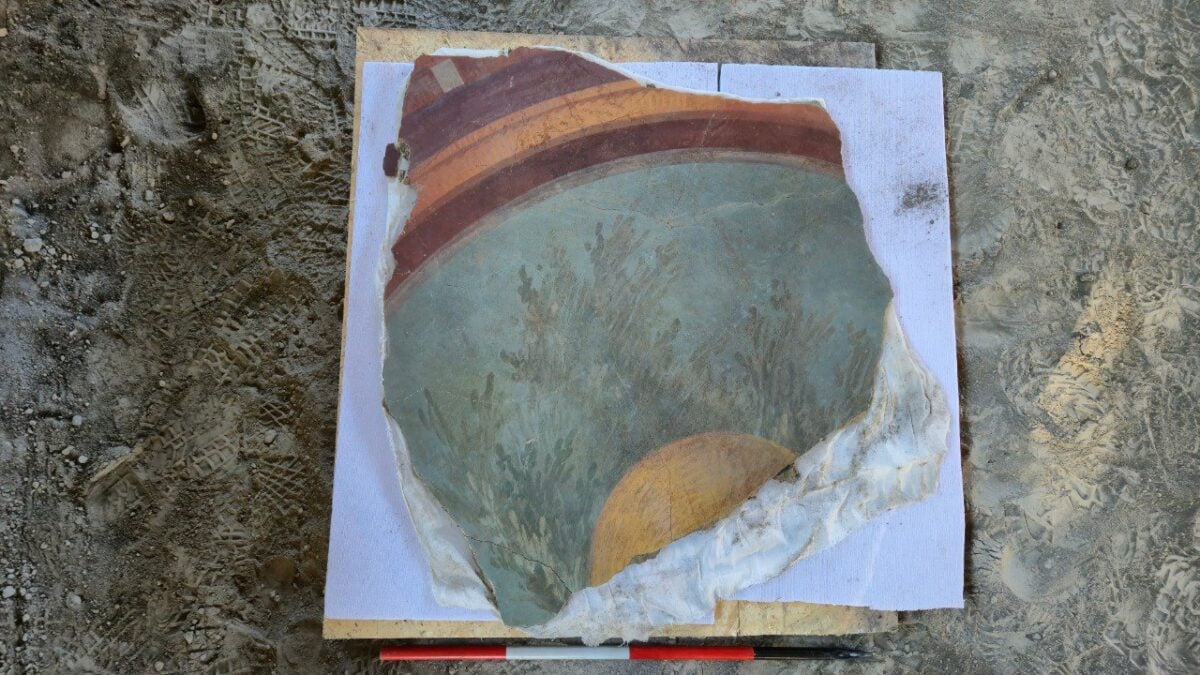
Researchers have published a new volume presenting the results of RePAIR. This ambitious European project used AI (artificial intelligence) and robotics to help preserve the cultural heritage of Pompeii and reconstruct damaged ancient frescoes.
RePAIR, short for Reconstructing the Past: Artificial Intelligence and Robotics Meet Cultural Heritage, was funded by the European Union under its Horizon 2020 research program. The initiative explored how advanced technologies can assist archaeologists and conservators in studying and restoring fragile historical objects.
The publication documents years of research aimed at combining artificial intelligence, robotics, and archaeology to tackle some of the field’s most complex restoration challenges.
Coordinated by Ca’ Foscari University of Venice, the project brought together leading research institutions from Europe and the Middle East. Partners included the Italian Institute of Technology, Ben-Gurion University of the Negev in Israel, Portugal’s Associação do Instituto Superior Técnico para a Investigação e Desenvolvimento, and Germany’s Rheinische Friedrich-Wilhelms-Universität Bonn.
The newly published volume, curated by Marcello Pelillo, Alessandra Zambrano, and Gabriel Zuchtriegel and released by Nicola Longobardi Editore, presents the project’s scientific findings and field experiments.
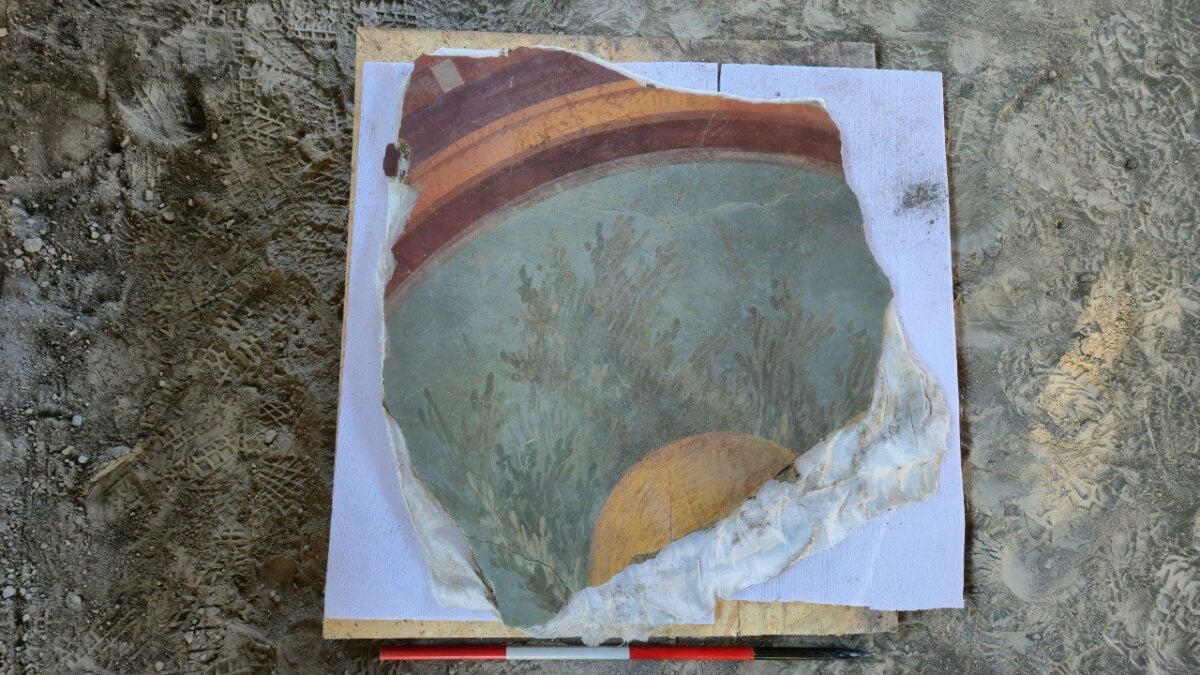
At the center of the research was an AI-powered robotic system designed to reconstruct thousands of fresco fragments as if assembling a giant puzzle.
Researchers tested the technology on the painted ceilings of the House of Painters at Work in Pompeii. The frescoes were first damaged during the eruption of Mount Vesuvius in A.D. 79 and later suffered further destruction during Allied bombings in 1943.
Using artificial intelligence, researchers analyzed shapes, colors, and decorative patterns among thousands of fragments. Robotic systems then assisted experts in identifying potential matches and reconstructing the artworks while reducing the handling of fragile materials.
Researchers say the project shows how artificial intelligence can support, rather than replace, archaeologists and conservators. AI systems can process large amounts of data quickly, while experts remain responsible for interpretation and restoration decisions.
The findings highlight the growing role of digital tools in protecting cultural heritage and preserving historical objects for future generations.
Researchers believe similar technologies could eventually help museums and archaeological teams around the world document, analyze, and reconstruct damaged artifacts more efficiently. This volume provides a detailed look at how artificial intelligence and robotics are reshaping the future of archaeology and cultural heritage preservation.