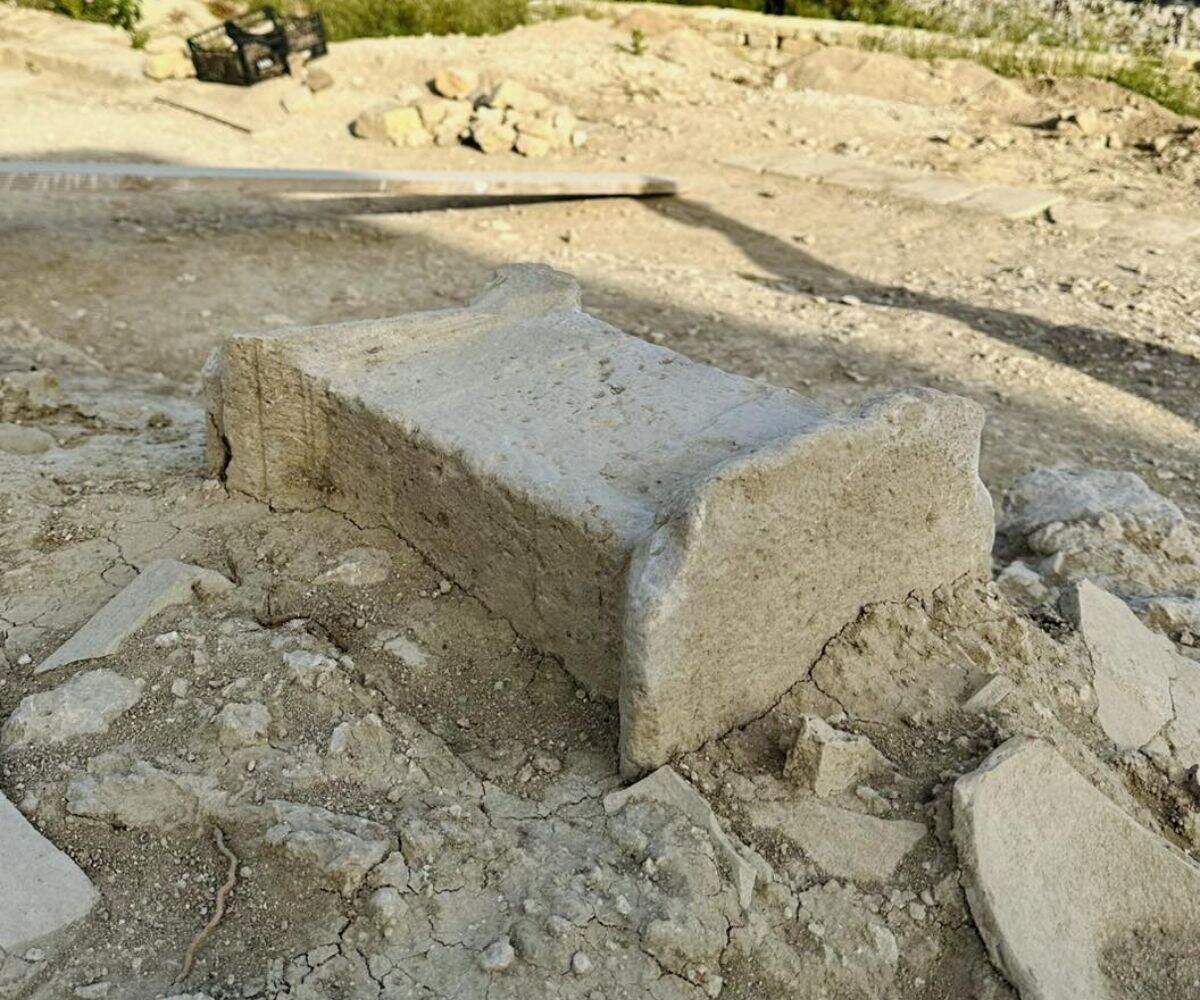
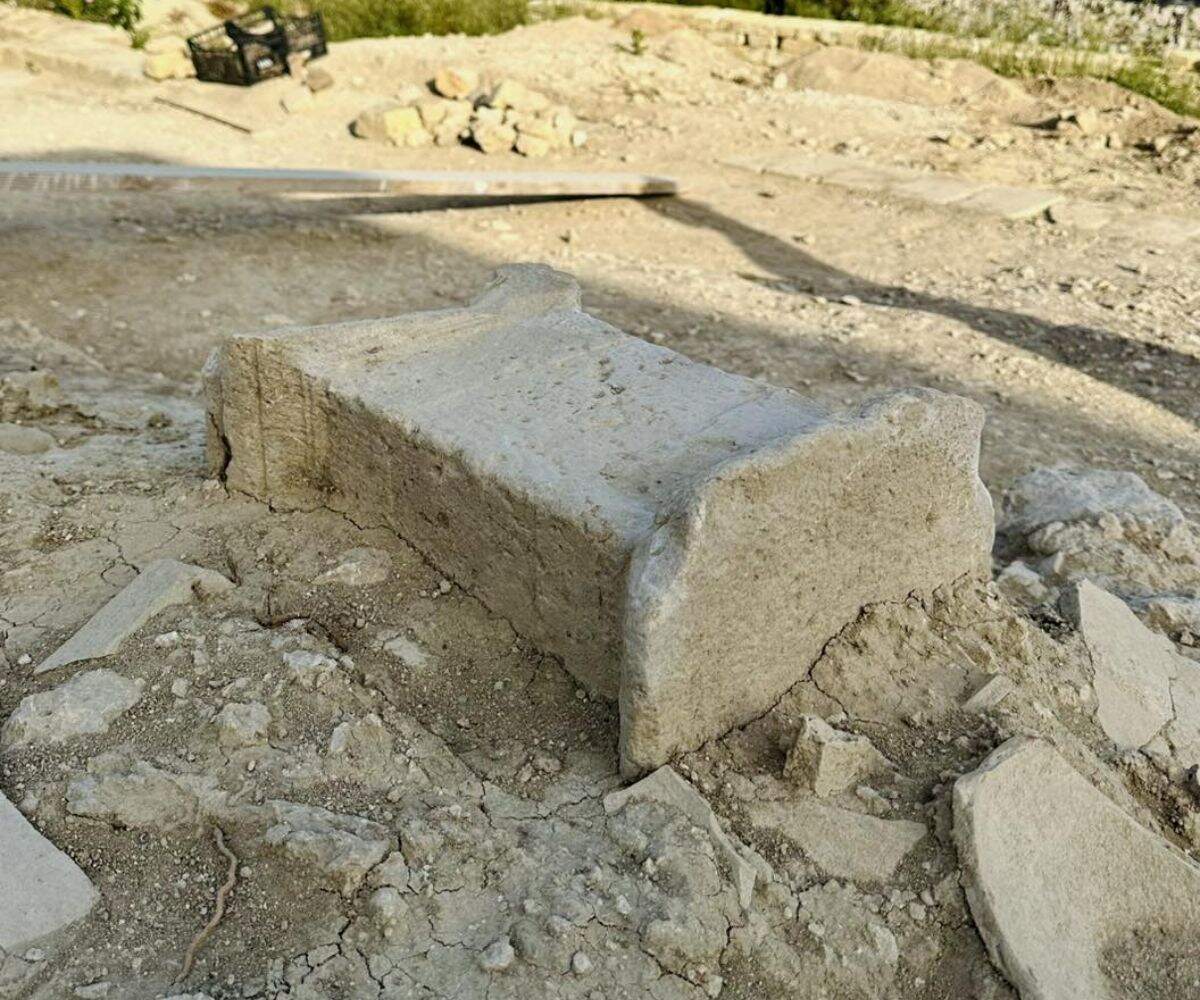
Archaeologists working at Finziade, an ancient Greek city in southern Italy, have unearthed a stone altar inside a residential structure on the hill of Monte Sant’Angelo in Licata. The discovery came just days into the site’s fifth excavation season and is already drawing attention as a significant early find.
The altar was recovered from a domestic shrine inside House Seven, one of several homes being excavated this year.
Archaeologist Alessio Toscano Raffa, who co-directs the project with colleague Maria Concetta Parello, described these shrines as small dedicated rooms within private homes.
Families used them to worship protective deities associated with the household, the home, and their ancestors. The altars inside could be either fixed to the structure or movable, as this one appears to be.
Researchers have uncovered only the upper section of the altar so far and are continuing to excavate to bring the complete object to light. Toscano Raffa said the team is confident the ongoing campaign will produce more significant finds before it concludes.
Finziade holds a notable place in archaeological research as the last known Greek foundation on Sicily. The site offers rare evidence of urban planning and everyday domestic life during the Hellenistic-Roman period.
This year’s excavation focuses on a residential quarter that still retains streets, house structures, and decorative elements, providing detailed insight into ancient architecture and material culture.
The project runs under a formal agreement between the CNR-ISPC research institute in Catania and the Archaeological and Landscape Park of the Valley of the Temples in Agrigento. Field operations are led by Toscano Raffa, supported by researchers Mariano Morganti and Donata Giglio from CNR and Parello from the park.
The current campaign runs from April 27 to June 5, 2026, and builds on four previous excavation seasons at the Monte Sant’Angelo site.