Scientists have sequenced DNA genomes from more than 1,000 ancient individuals buried across Britain, producing the most detailed genetic record yet of how the island’s population changed through Britain’s migration history over two millennia.
The findings carry direct implications for modern medical research, since understanding past population shifts helps improve the accuracy of genome-wide health studies.
The study, led by Marina Silva of the Ancient Genomics Laboratory at the Francis Crick Institute in London, analyzed 1,039 ancient shotgun genomes spanning from the Bronze Age to just after the Norman Conquest. The preprint is published on bioRxiv and has not yet been peer reviewed.
During the Roman period, from roughly 43 CE to 410 CE, about 80 percent of individuals showed strong genetic continuity with Iron Age Britain. The remaining 20 percent carried outside ancestry, mostly concentrated in urban centers and military sites such as Winchester, York, and Gloucester.
Relatives at rural sites were typically within 15 kilometers (9 miles) of each other, while relatives connected to military sites appeared up to 50 kilometers (31 miles) apart.
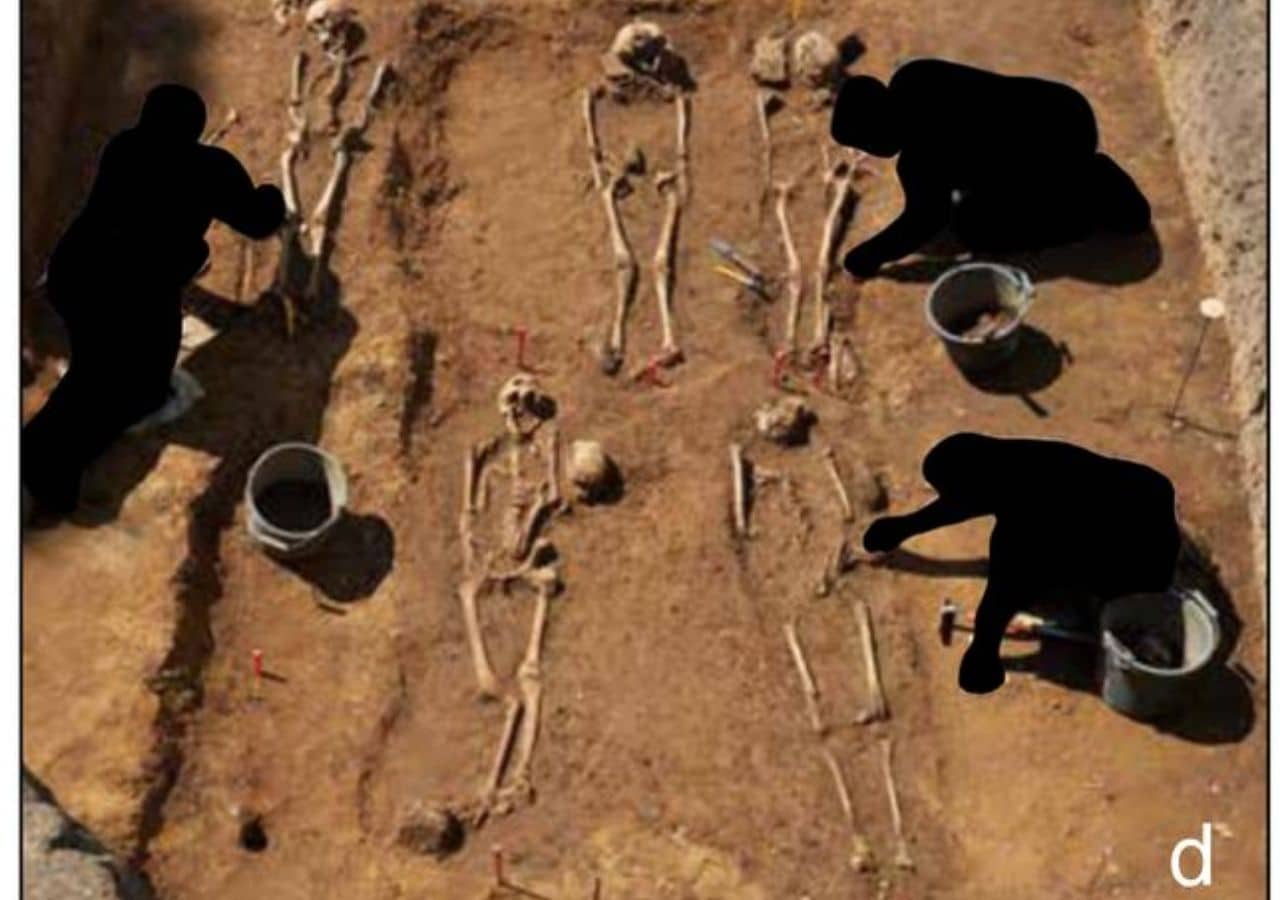
Roman rule also disrupted older Iron Age burial customs organized around maternal family lines, pointing to the influence of Roman patriarchal social norms.
After Roman rule ended, the genetic picture shifted dramatically. From the 6th century CE onward, more than 70 percent of individuals in southern Britain carried ancestry traced to continental northwestern Europe.
Researchers identified a distinct ancestry profile, labeled “Early Medieval Britain I,” present in the earliest individuals showing this shift. Among them was an individual from a richly furnished grave near Bisham in Berkshire, known as the Marlow Warlord.
Researchers confirmed this incoming ancestry was clearly distinct from Iron Age Scandinavian ancestry, challenging earlier models of the Anglo-Saxon transition. From the 7th century onward, ancestries linked to Central and Southern Europe also became more common across Britain.
In northern and western Britain, most individuals in present-day Scotland showed only Iron Age British ancestry. However, two individuals from the Pictish cemetery at Lochhead Quarry showed roughly 21 to 23 percent ancestry linked to Iron Age Scandinavia, predating the first recorded Viking raids in 793 CE.
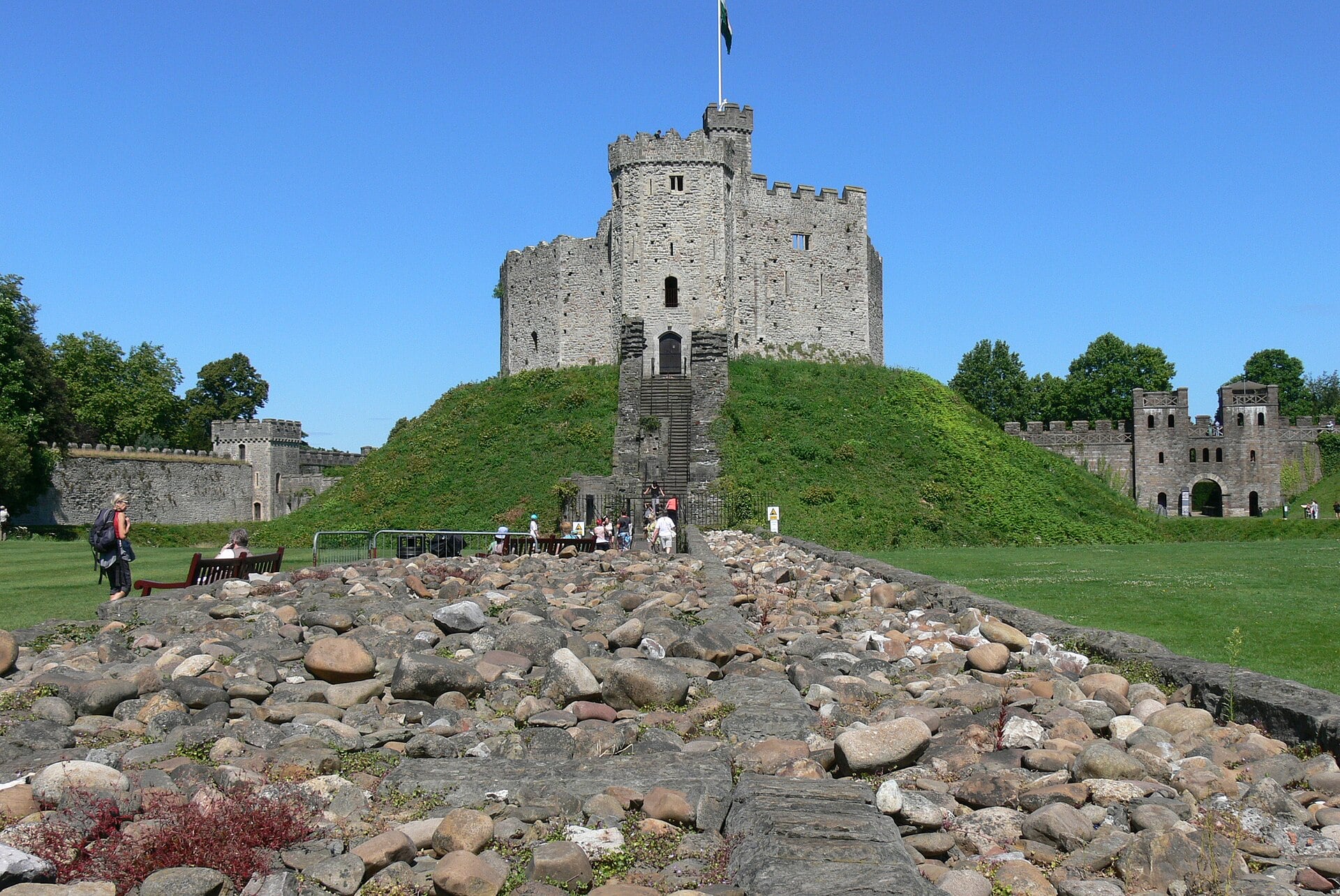
A few individuals with outside ancestry also appeared in Wales, Somerset, and Cornwall, though the overall impact remained limited.
Scandinavian-linked ancestry was detectable in burial contexts associated with Viking activity, including a boat burial in Orkney dated between 772 and 885 CE and graves near a documented Viking winter camp in Lincolnshire.
However, only 31 of 226 individuals from that period showed a distinctly Viking-associated genetic signature, suggesting the population-level impact was more modest than the earlier Migration Period. The Norman Conquest of 1066 CE left no detectable genetic signal, consistent with an elite political takeover.
Researchers identified strong signals of natural selection in the ‘TLR10-TLR1’ immune gene region, with the most notable change occurring between the Iron Age and the Roman period. They linked this to rising population density and long-distance movement, which likely spread infectious diseases.
A separate signal appeared near the IRF8 gene, linked in modern populations to inflammatory bowel disease. Researchers also confirmed continued selection on the LCT gene, associated with lactase persistence, extending into the first millennium CE.