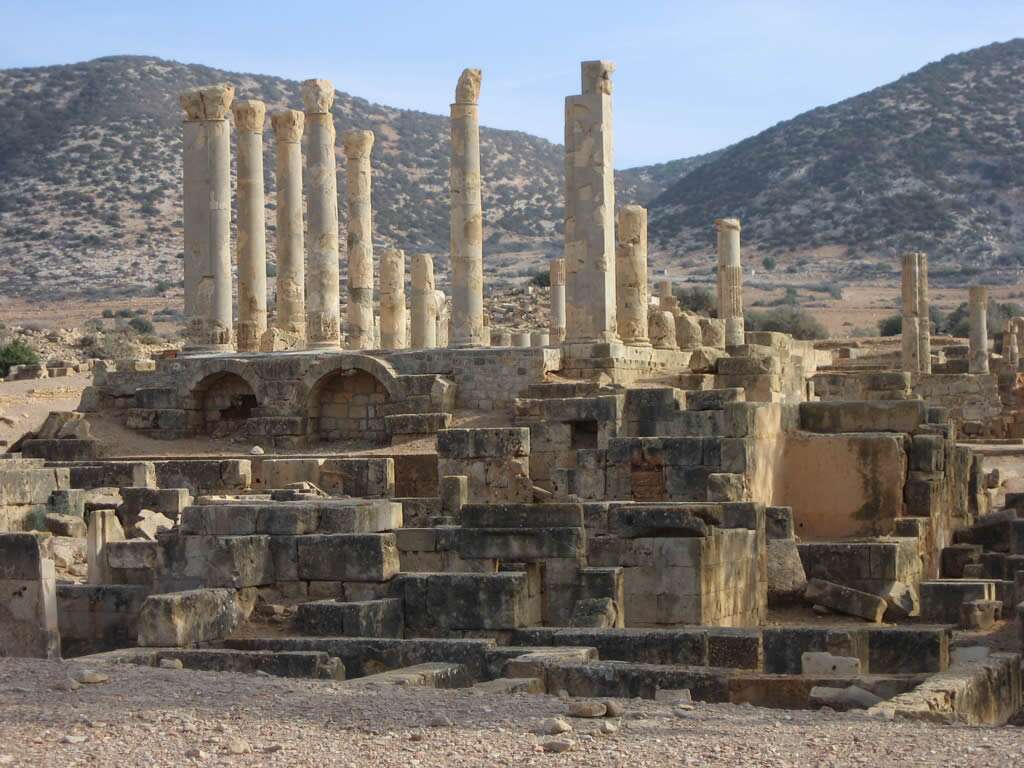

Archaeologists working in the ancient ruins of Ptolemais, Libya, have made an unexpected discovery that offers a unique glimpse into the daily lives of those who occupied the city long after its decline.
Led by Zofia Kowarska of the University of Warsaw, the team has documented more than 100 stone-carved game boards etched into the ruins, transforming our understanding of how the site was utilized in its post-classical era.
Located in the historical region of Cyrenaica, Ptolemais was established in the late 4th or early 3rd century BC under the influence of Hellenistic Egyptian kings. Over time, it flourished into one of the largest and most significant urban centers in the region.
However, the city’s fortunes eventually waned, leading to its decline and ultimate abandonment following the Arab conquest in the 7th century AD. After a long period of silence, modern excavations resumed at the site in 2023, following years of instability in Libya.
While the city was once a seat of power, the recently discovered game boards reveal a different story—one of simple, human connection. Ranging from three-by-three grids to more complex seven-by-seven patterns, these carvings are found on limestone blocks, marble columns, and walls.
Researchers believe the primary users of these boards were shepherds. Many of the carvings are positioned on elevated ruins or building corners, providing ideal vantage points for monitoring livestock in the surrounding grazing lands. As the animals grazed, shepherds utilized these stones for recreation, playing games similar to tic-tac-toe or early forms of checkers.
This discovery highlights that history is not solely defined by monumental architecture or grand inscriptions. Instead, it is also etched into the stone by those who inhabited the landscape long after the city’s political systems had collapsed.
These simple grids serve as a poignant reminder of human continuity, showing that even amidst the ruins of a fallen empire, the universal need for leisure and connection persisted.
Related: Ancient Shipwrecks Shed Light on the 2,300-Year-Old Greek City of Ptolemais in Libya