Faced with the realities of the climate crisis, Greece’s government says it is launching the most technologically advanced and heavily staffed wildfire defense plan to date.
Following a high-level preparedness meeting at the Maximos Mansion, officials confirmed that the state will deploy nearly 18,000 personnel, over 100 thermal-imaging drones, and up to 85 aircraft to combat the upcoming high-risk summer fire season.
The strategy marks a drastic shift in doctrine, moving away from reactive firefighting toward real-time surveillance and immediate initial intervention to contain outbreaks within the first critical minutes.
To counter increasingly volatile summer blazes, Greece has bolstered its frontline capabilities across land and air:
The Ground Force: The Hellenic Fire Service currently stands at 17,727 permanent and seasonal firefighters, a number projected to reach 18,804 by the end of the year.
Elite Wilderness Units: A specialized force of 21 forest commando units (comprising 1,450 personnel) will spearhead rapid-response operations in difficult, inaccessible terrain. This elite program has expanded rapidly since its inception with just six units in 2022.
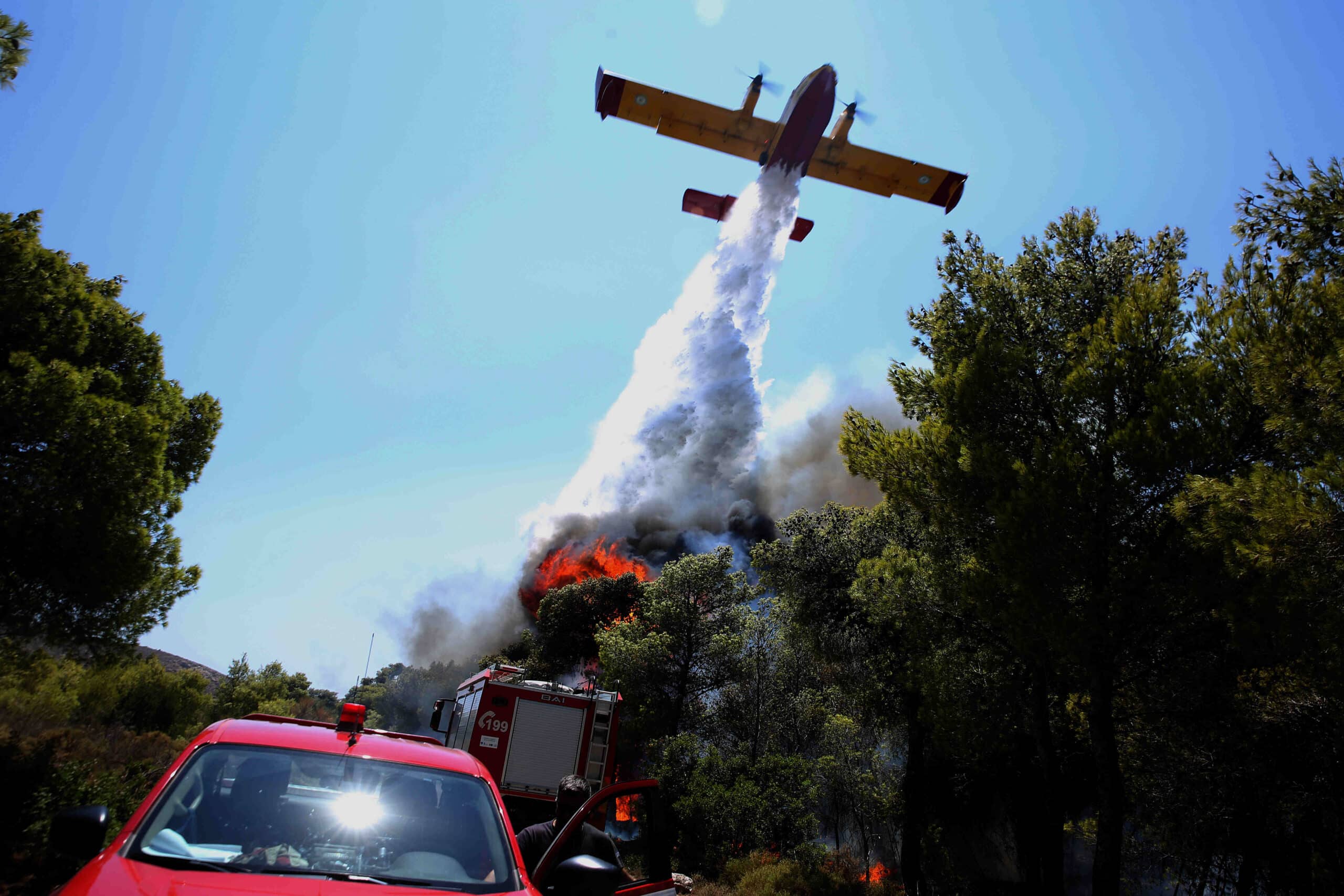
The Air Fleet: Between 80 and 85 aircraft will be actively available on a daily basis. The fleet is composed of 33 state-owned planes and 51 leased aircraft.
Ground Support: Over 4,300 vehicles will provide regional tactical support.
The definitive “wild card” in Greece’s defense strategy is the deployment of more than 100 surveillance drones equipped with advanced optical and thermal cameras, laser rangefinders, and artificial intelligence. The drones will operate across all 13 administrative regions—with the heaviest concentration (27 units) protecting the highly vulnerable wildland-urban interfaces of the greater Athens area.
Supported by three mobile drone operations centers, these unmanned systems feed live video and telemetry directly to the tablets of field commanders and the national crisis hub. The system features a rapid-alert “panic button” that automatically isolates and expands a video feed the moment a drone detects suspicious smoke or a heat signature, allowing crews to strike fires before they can spread out of control.