
Scientists say Ozempic and similar GLP-1 drugs may reshape the brain, with emerging research pointing to effects that reach well beyond weight loss and appetite control.
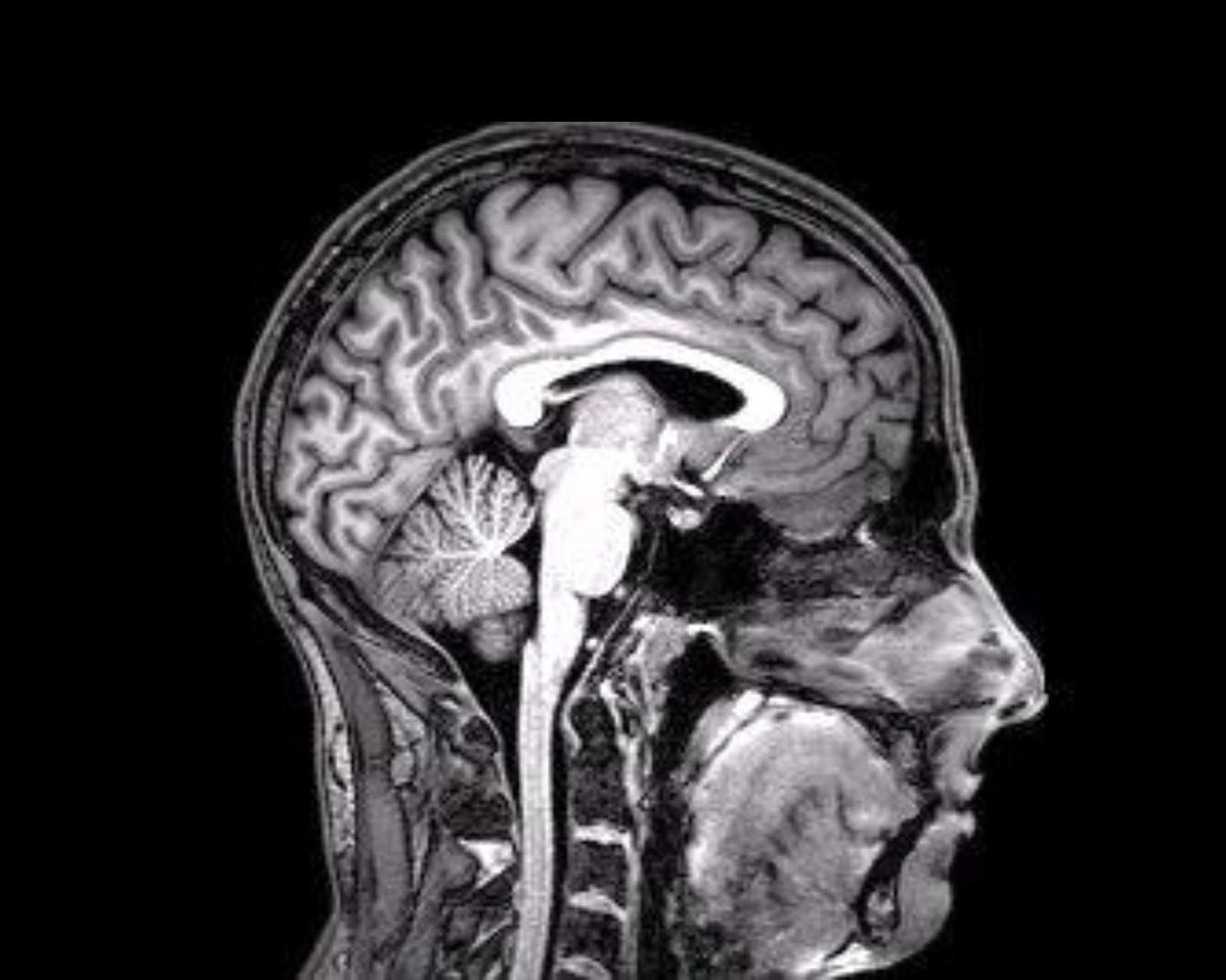
The discovery was coincidental. Allison Shapiro, an assistant professor at the University of Colorado Anschutz, was tracking GLP-1 drug effects on thirteen teenagers and young women treated for a hormonal ovarian disorder. Brain scans prior to and after treatment showed a marked increase in connections within the salience network, which directs attention. According to Shapiro, her team did not expect the finding and is uncertain of its significance.
GLP-1 medications such as Ozempic, Wegovy, and Mounjaro were designed to treat diabetes and obesity by mimicking hormones that control hunger, blood sugar, and digestion. Tens of millions of people now use them.
Scientists are studying whether Ozempic and related drugs can reshape brain networks directly or indirectly by reducing inflammation, improving metabolism, and easing physical stress. The extent to which the medication crosses the blood-brain barrier has not yet been determined.
Addiction researcher Lorenzo Leggio at the National Institute on Drug Abuse turned to GLP-1 drugs after a 2013 Swedish study found rodents given a similar compound consumed less alcohol.

His team studies participants using a mock bar and virtual reality exercises to track changes in craving and decision-making. Scientists believe the medications may lower dopamine-driven reward signals in the brain, which could explain the effect of fewer harmful cravings in patients.
Trials are underway on alcohol use disorder, nicotine, opioids, cocaine, gambling, and binge eating. Leggio revealed the results are promising, but the mechanism is unclear.
A Novo Nordisk trial ending in late 2025 did not show a significant slowing of cognitive decline in its GLP-1 drug, but Aaron Burstein of the Alzheimer’s Drug Discovery Foundation noted modest biomarker shifts of around 10 percent tied to brain inflammation and cell damage.
Some researchers now believe the drugs could work better as a preventive measure than a treatment. Ted Dawson of Johns Hopkins said that a Parkinson’s trial also found no overall benefit, but the dose may have been too low.
Daniel Drucker of the University of Toronto reported that the drugs are being studied for depression, anxiety, schizophrenia, and long COVID-related brain fog.
According to Shapiro, adult findings cannot be applied to the developing brains of adolescents. She is planning a larger study to determine whether changes in younger patients persist after stopping the medication.
Study participant Grace Hamilton, 28, said that she lost more than one hundred pounds on GLP-1 drugs, came off multiple antidepressants, and stopped drinking. She does not believe the changes are coincidental.