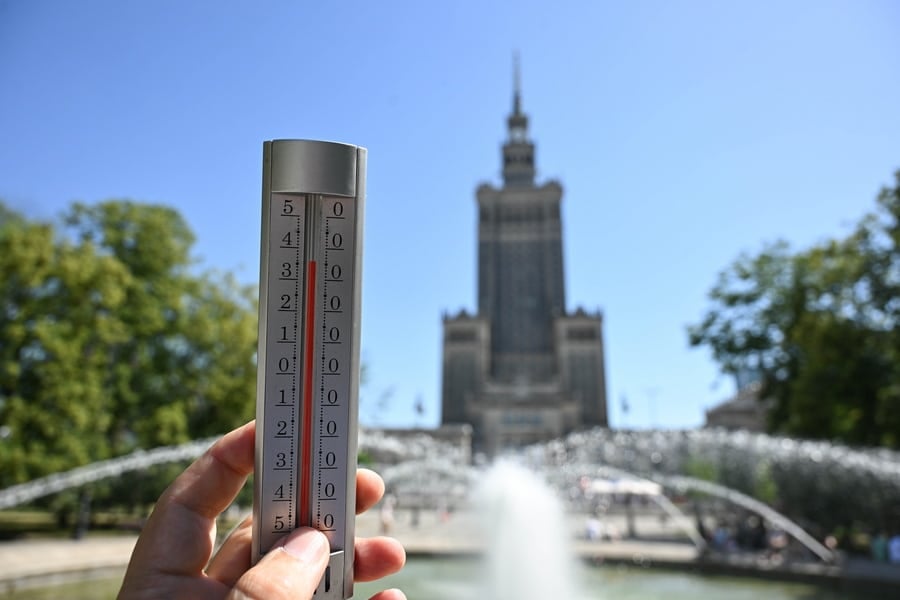
1300 excess deaths were recorded in Europe in the week starting June 21 as a result of the extreme high temperatures that hit the continent, according to data from the World Health Organisation.
The current heatwave, which moved east towards the Balkans from Saturday, is expected to wear off on Monday.
“Heat stress is often called the “silent killer” – and European homes, workplaces and schools were not built for these temperatures,” WHO Director-General Tedros Adhanom Ghebreyesus wrote on X.
The top level official said WHO is working with its Member States and partners to address the health threats posed by extreme heat through focusing on preparedness, prevention and stronger health system responses.
“In particular, we are encouraging European countries to implement heat health action plans, as part of the broader agenda to protect health against climate change,” he noted.
Ghebreyesus observes that Europe is the fastest-warming continent on Earth, heating at twice the global average.
“Right now, 150 million people are living under extreme heat, hundreds have died, schools are shut, grids are buckling. Driven by climate change and global warming, the phenomenon of the “once-in-a-generation” heatwave is now occurring nearly annual,” he describes.
“We were warned.”
The Heat-Health Action Plans Guidance published by WHO sees the interacting trends of climate change, ageing populations and urbanization creating a “perfect storm” of vulnerability to extreme heat, putting pressure on health systems and increasing costs to
society.
Urbanization in specific, exacerbates the impact of rising temperatures, making cities hotspots of extreme heat. Urban areas experience air temperatures that can be several degrees Celsius warmer than surrounding areas, especially during the night.
The higher temperatures observed in urban environments are mainly due to the urban heat island effect, WHO explains, which results from several factors – including reduced ventilation and heat trapping due to the close proximity of tall buildings; heat generated directly from human activities; the heat-absorbing properties of asphalt, concrete and other urban building materials; and the limited amount of vegetation.
In addition, as the population of the WHO European Region ages, health systems need to prepare for the growing number of heat related illnesses among older adults, the guidance warns.
The number of people aged 65 years and over living in cities is expected to more than triple in the Region, reflecting the combined effects of population ageing and urbanization. When these trends are combined with intensifying heat extremes, they could increase by 10 times or more the exposure of populations at increased risk to the most dangerous heat events by 2050.