A new study from Mongolia suggests that power and wealth shaped an ancient Xiongnu cemetery more strongly than family ties, challenging the idea that burial grounds with related people were always organized mainly around kinship.
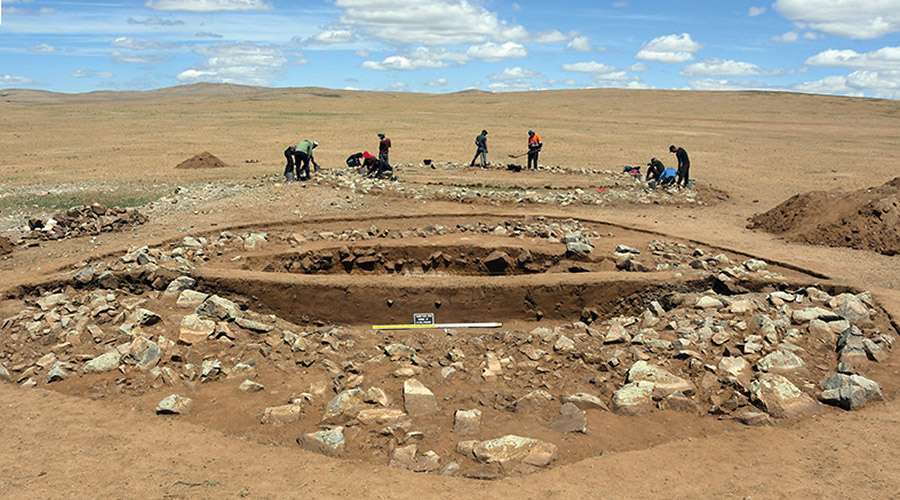
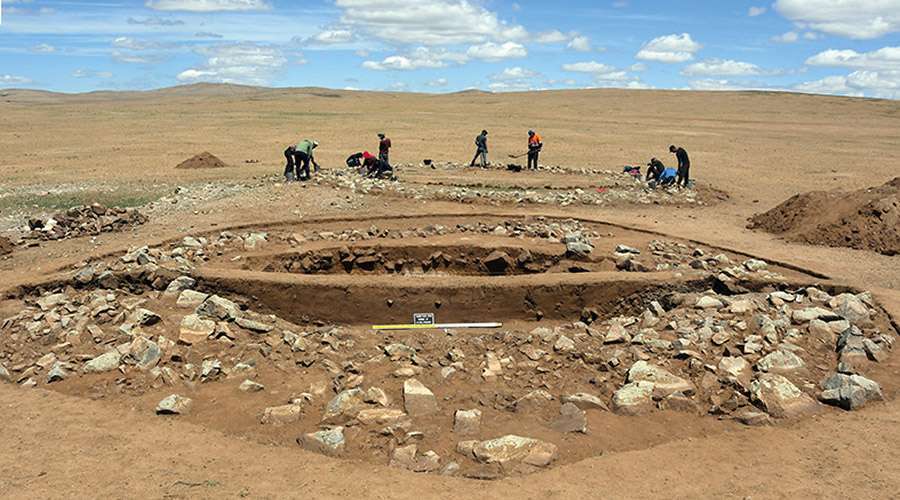
The research, led by Ameline Alcouffe and published in Antiquity, examined the Tamir cemetery on the Mongolian steppe. The site dates from about 100 B.C. to A.D. 100, a period of major change for the Xiongnu, a powerful nomadic empire that once dominated parts of Central Asia.
Earlier DNA work had shown that some people buried at Tamir belonged to two extended family lines. Those lineages included 20 people across as many as six generations. That finding raised a key question: Was the cemetery arranged as a family burial ground, or did rank and social status decide who was buried where?
Researchers used genetic data, grave locations, burial design, and grave goods to answer that question. They also applied statistical tools and machine-learning methods to look for hidden patterns in the cemetery.
The results point to a complex burial system. Family mattered, but it did not explain the cemetery on its own. Wealth and status played a stronger role in shaping the layout, the depth of tombs, and the goods placed with the dead.
At Tamir, some elite graves were large and deep. They included two coffins, horse bones, prestige items, and imported goods, including objects linked to China. Poorer graves were shallower and had few or no valuable items. Some lacked coffins.
Ancient DNA alone does not tell the whole story.
A new study in “Antiquity” led by Ameline Alcouffe finds that wealth and status shaped an ancient Xiongnu cemetery in Mongolia more than family ties alone. pic.twitter.com/2jDVbBbtpc
— Tom Marvolo Riddle (@tom_riddle2025) May 27, 2026
Researchers found that wealthy individuals were more likely to receive similar burial treatment, even when they were not closely related. In contrast, some people from the same family lines were buried in different parts of the cemetery or received different treatment.
That pattern suggests that Tamir was not simply a “family cemetery.” It was also a place where social rank, political role, and symbolic power shaped burial decisions.
The study found two main lineages, called A and B. Members of lineage A were mostly buried in a central area of the cemetery. Members of lineage B were more spread out. Some were buried more than 250 meters apart.
Spouses were often buried side by side. Young children were sometimes placed near grandparents. But researchers said only a small number of close relatives from each generation were buried at the site. That means many siblings and other family members were likely buried elsewhere.
This selective pattern suggests the cemetery may have been reserved for certain people with special status, not for entire families.
The timing of the burials also matters. The cemetery was used during a period when the Xiongnu faced pressure from China’s Han dynasty. Researchers said the final burials appear poorer than earlier ones. That may reflect the weakening of the Northern Xiongnu after military defeats and economic decline.
The study also found that some burial traditions were passed down through families. Tomb depth, coffin number, and certain prestige goods appear to show vertical transmission from one generation to the next.
Other practices, including tomb direction, pottery use, lamps, swords, and skull removal, seem to reflect wider social habits shared beyond family lines.
Researchers said this mix shows how biological kinship, marriage alliances, gender roles, and elite identity all shaped the funerary landscape.
The findings also raise new questions about Xiongnu political life. The researchers suggest the two lineages at Tamir may reflect different branches of local leadership. One line may have held a more central or senior role, while the other may have gained importance through wealth or outside alliances.
The study shows how modern methods can change long-held views about ancient societies. DNA can reveal family ties, but it cannot explain social life by itself. At Tamir, burial choices reflected more than blood relations. They showed a world shaped by power, wealth, alliance, and tradition.
Researchers said the approach could help archaeologists reassess other ancient cemeteries across Mongolia and Eurasia, especially where family ties and social hierarchy are difficult to separate.