Researchers have identified a 17th-century shipwreck off the coast of England using more than 400 gold coins pulled from the seabed. The wreck, found by divers in Salcombe Bay, Devon, turned out to be a Dutch trading ship called the “Dom van Keulen.” It sank in 1633 while sailing from Morocco to Amsterdam.
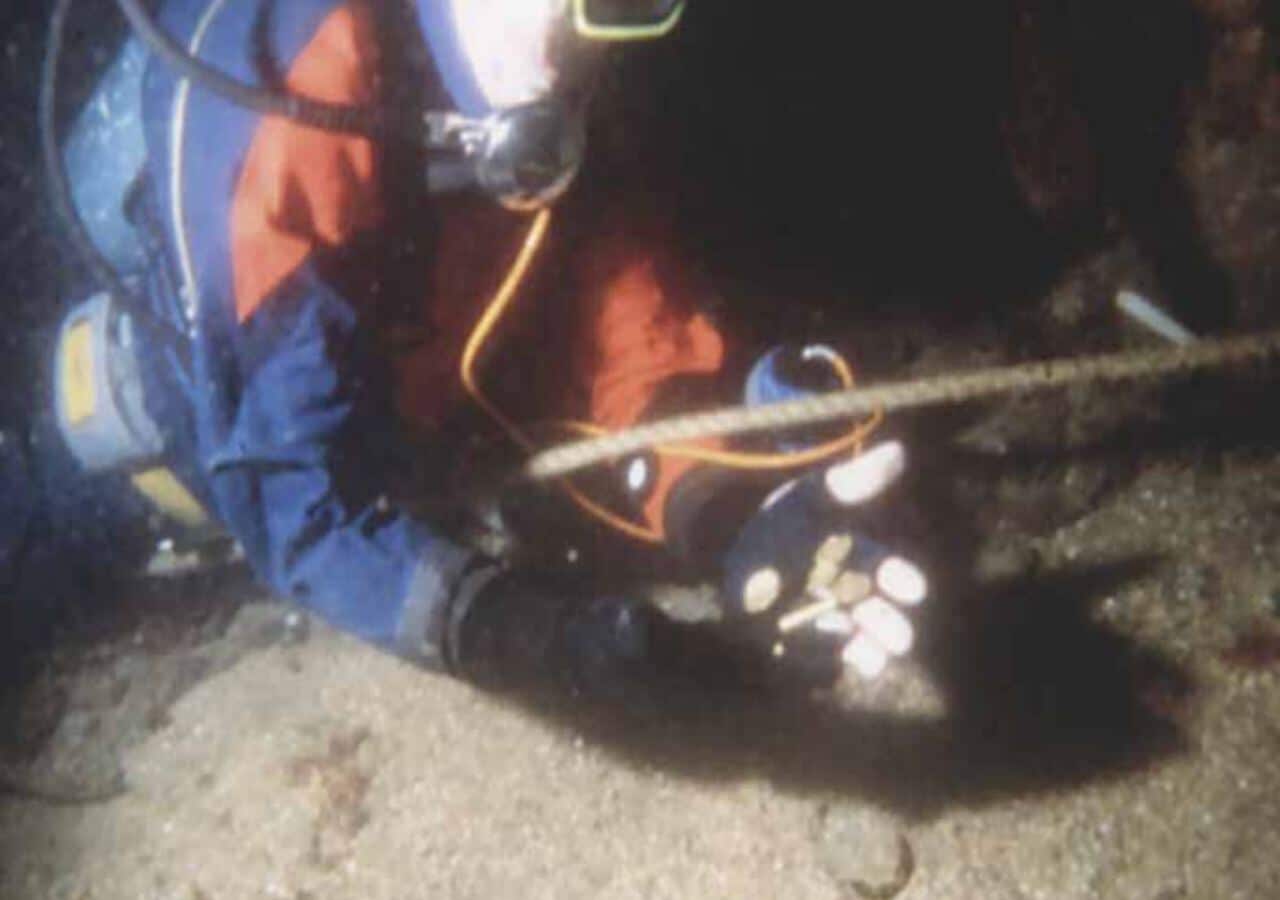
The discovery began in 1995. Diver Ron Howell, a member of the newly formed South West Maritime Archaeological Group, spotted a glint of gold in the sand. He found a small gold ingot. Then he found 17 gold coins nearby. Howell reported the find to Britain’s Receiver of Wreck.
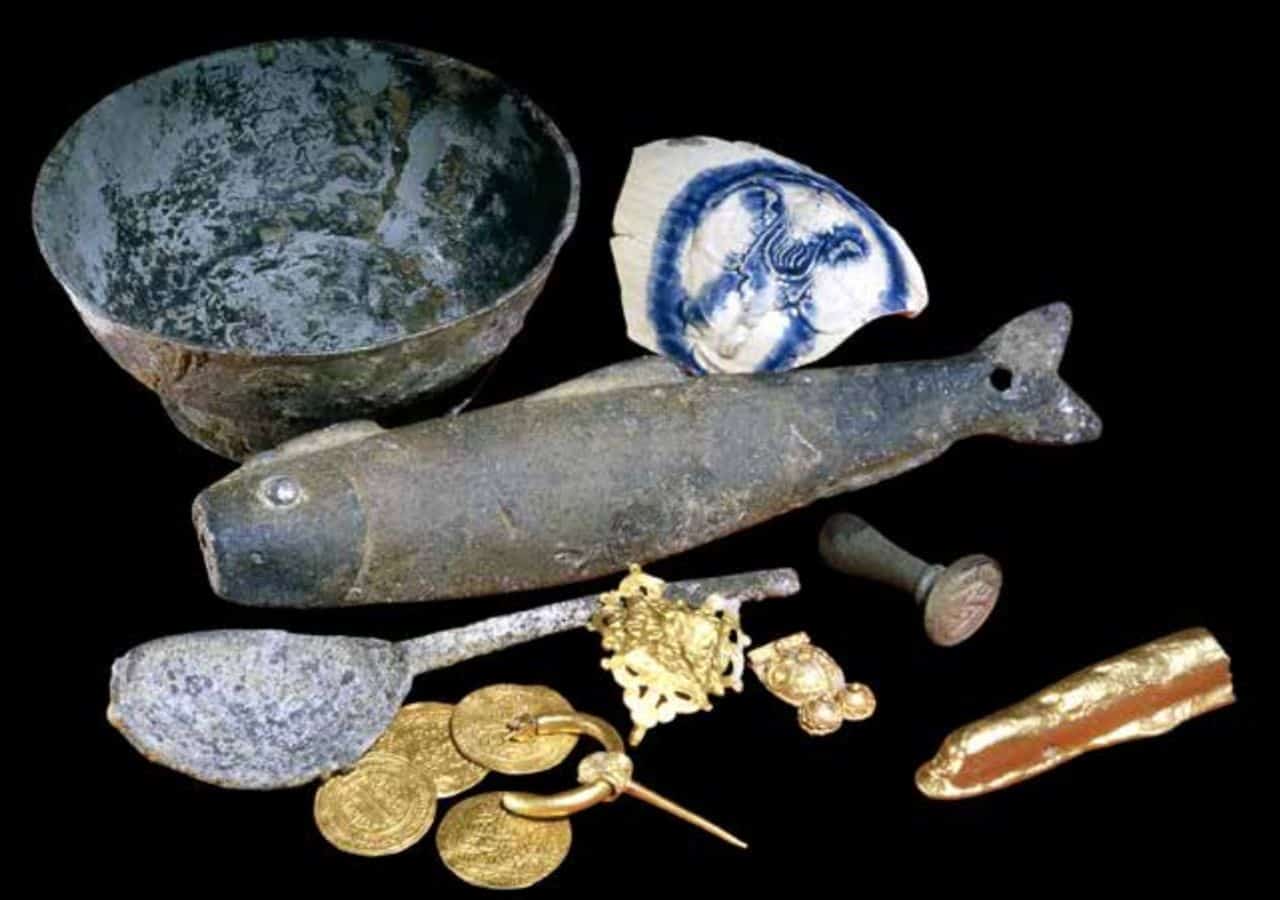
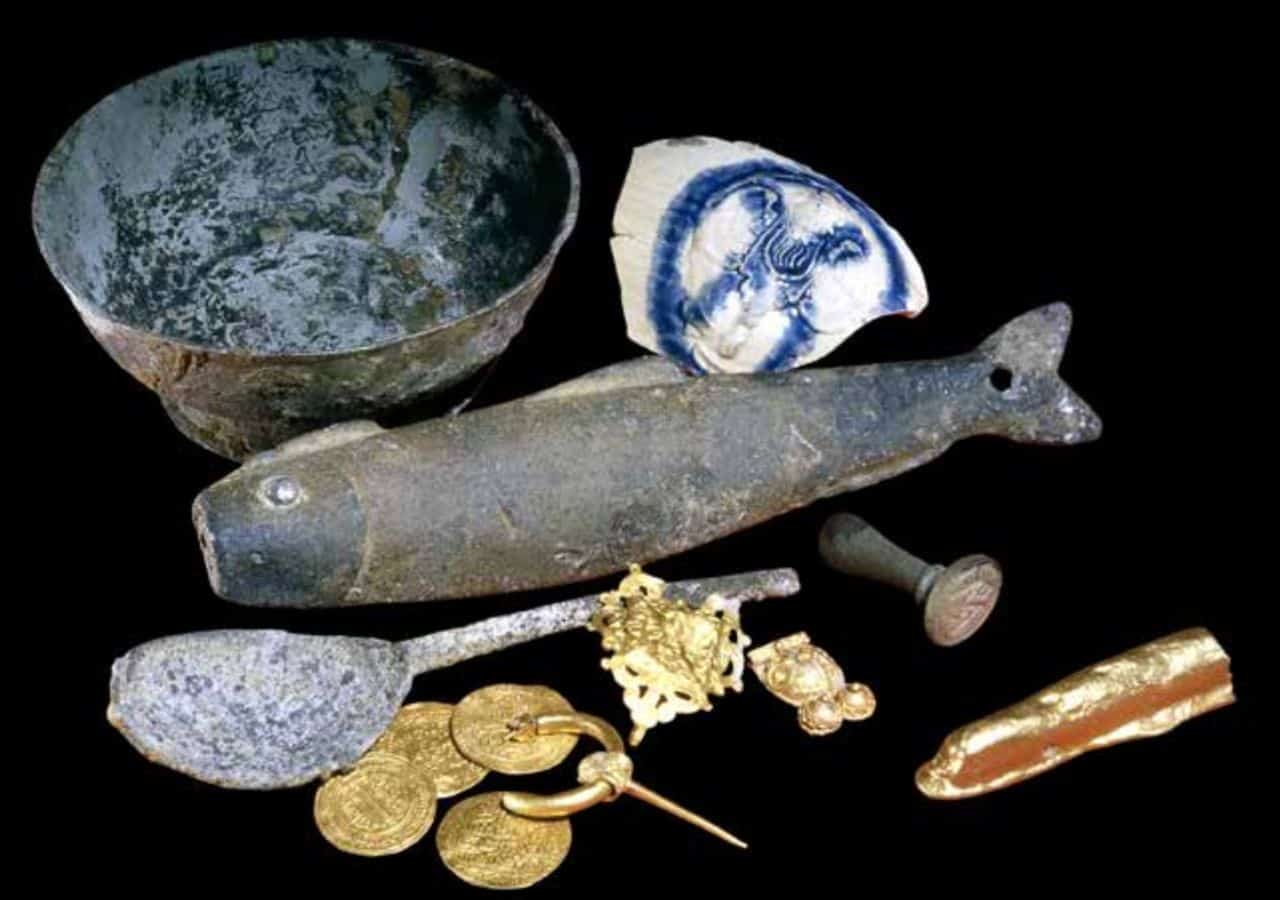
Divers later mapped the site and recovered more than 400 gold coins, along with ingots and jewelry. They also found everyday items, including pewter, pottery, and resin-coated pills, that gave clues about daily life on board.
The British Museum stepped in early to help identify the coins. Experts traced them to the Sa’dian Sharifs, a dynasty that ruled Morocco from 1511 to 1659. The museum acquired the full collection in 1999 with support from the Art Fund and other donors.
The shipwreck’s hoard of Moroccan gold coins is now considered the largest known collection of its kind, giving historians fresh insight into Morocco’s coinage during that era.
For years, the ship’s identity remained a mystery. Some researchers first suspected a Barbary Corsair pirate vessel. Others thought it might be an English trading ship. Both theories were eventually ruled out.
The breakthrough came when historian Ian Friel searched the High Court of Admiralty’s archives, held in Kew. There, he found a detailed account describing a ship lost in December 1633. Two Amsterdam merchants reported the loss. The ship had sailed from Safi, a major Moroccan port, and never made it home.
One merchant’s account described the lost cargo in detail. It listed about 9,000 gold coins, called “Barbarye ducketts” at the time, along with bags of gum arabic, saltpetre, and goatskins. These details matched the timeline and location of the Salcombe Bay wreck, confirming its identity as the Dom van Keulen.
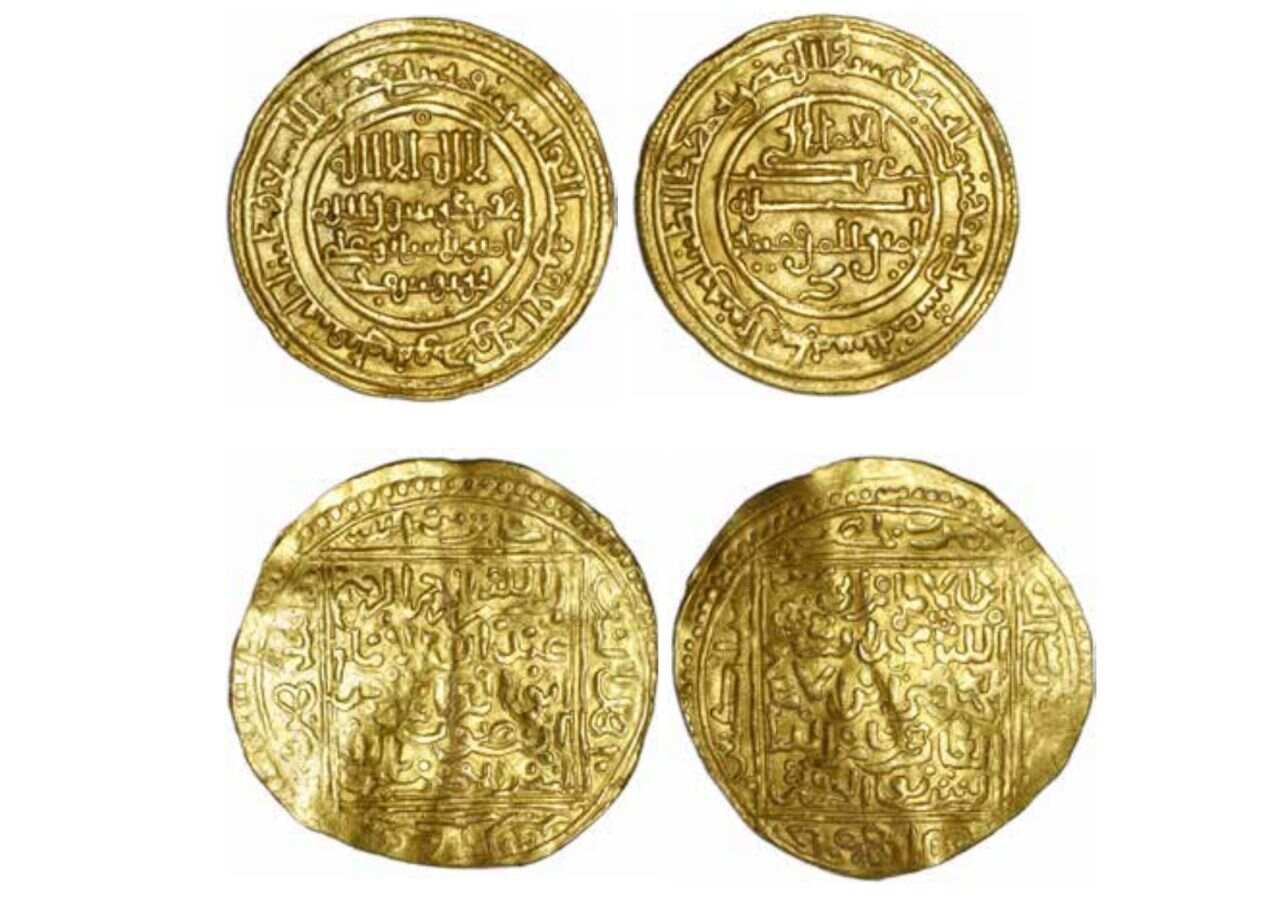
Coin evidence helped confirm the timeline, too. The most recent coin recovered from the site was struck in 1632, which meant the ship could not have sunk before that year.
The full findings appear in a new British Museum publication, “From Morocco to the Coast of England: The Story of the Dom van Keulen and its Remarkable Cargo.”