Were Byzantine Eye Therapies Truly Miraculous?
Categories:

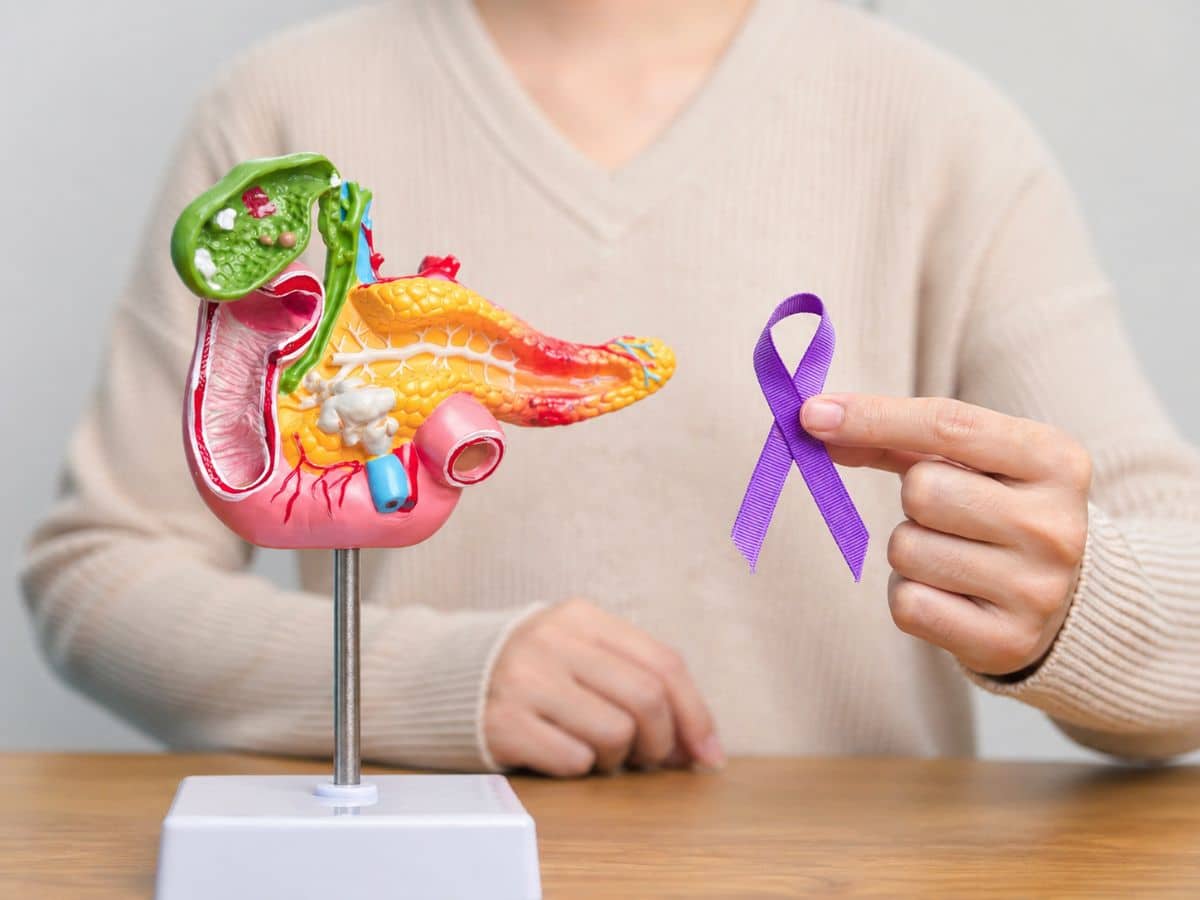
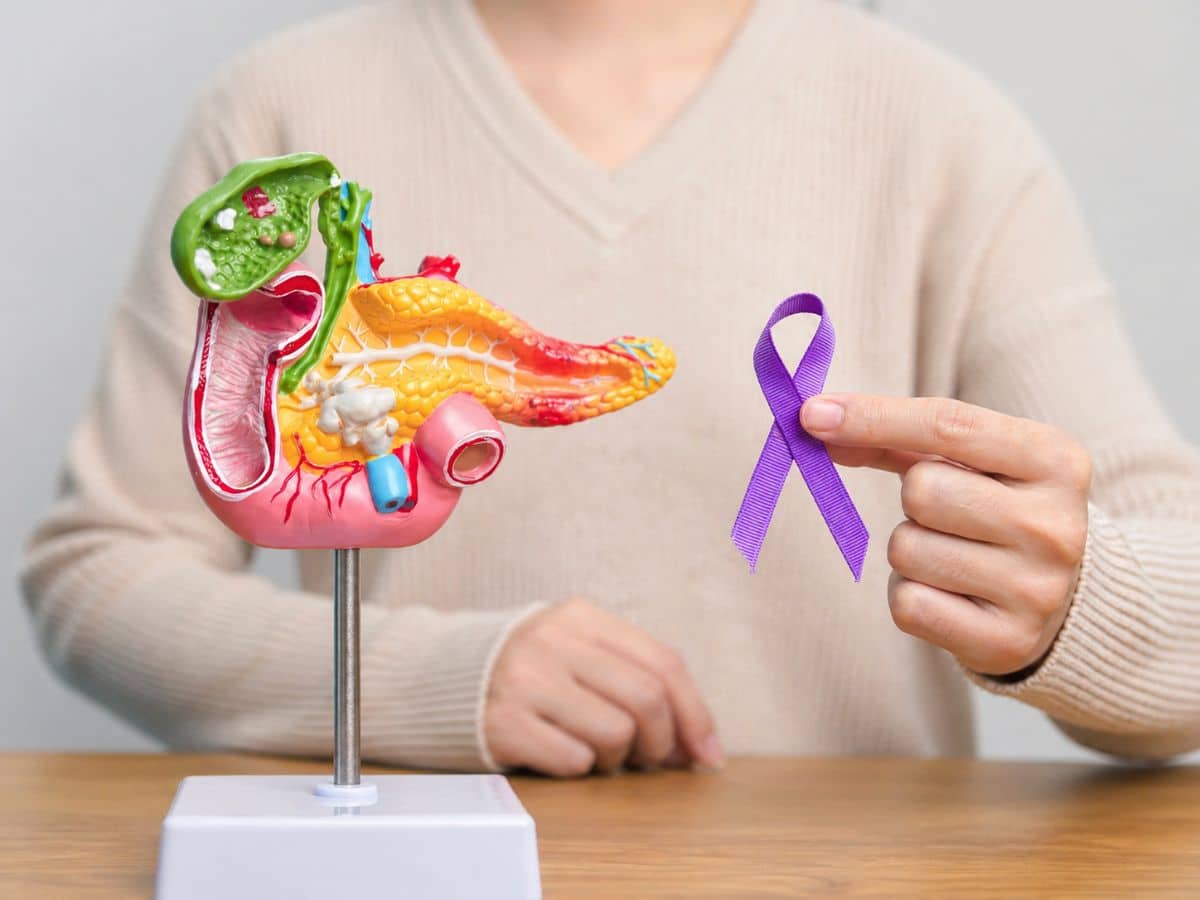
An AI tool developed by the Mayo Clinic can spot pancreatic cancer on routine CT scans up to three years before doctors diagnose the disease, according to a new study published in Gut by the British Society of Gastroenterology.
The study, led by Sovanlal Mukherjee from the Department of Radiology at Mayo Clinic in Rochester, Minnesota, found the AI nearly doubled the detection rate of expert radiologists for a cancer that kills most patients simply because it is found too late.
The tool, called REDMOD, targets what researchers describe as “imaging-occult” pancreatic cancer. This is distinct from cancers that radiologists simply missed.
These are cases where no visible tumor exists even on expert re-review, yet the disease is already underway, encoded in microscopic changes within the pancreatic tissue. No human eye can detect them.
Researchers tested the system on 493 CT scans, using a realistic ratio of roughly six healthy patients to every pre-diagnostic case. REDMOD correctly identified nearly three in four pre-diagnostic scans, achieving 73 percent sensitivity.
Radiologists reviewing the same scans caught less than 39 percent. At lead times beyond two years before diagnosis, the gap widened further, with REDMOD nearly three times more sensitive than human readers.
Identification of occult radiomic signatures (cancer) by REDMOD (AI) in a pre-diagnostic CT scan 2.4 years prior to clinical diagnosis. pic.twitter.com/8rX57pAOEJ
— Tom Marvolo Riddle (@tom_riddle2025) April 30, 2026
The system analyzed nearly 1,000 radiomic features extracted from each pancreas and narrowed them to 40 key signals. About 90 percent of those signals came from wavelet-filtered images, a mathematical technique that reveals subtle textural disruptions in tissue that are otherwise invisible.
These disruptions, researchers believe, reflect early biological remodeling of the pancreas before any tumor appears. The model combines three machine learning algorithms, logistic regression, random forest, and XGBoost, using a soft-voting mechanism to produce a final classification.
The model’s detection threshold is adjustable without retraining, allowing clinicians to balance sensitivity against false positives depending on clinical context.
Its precision of 36 percent already exceeds the 3 percent threshold that the UK’s National Institute for Health and Care Excellence sets as acceptable at the first step of cancer referral.
Longitudinal testing showed 90 to 92 percent prediction consistency across repeat scans from the same patients. Researchers also confirmed the model held its accuracy across two external datasets, including a public NIH collection of healthy volunteers, across different CT scanner brands and various image quality settings.
Researchers are planning a prospective clinical trial called AI-PACED to test the tool in real-world high-risk populations before it enters standard care.