
Were Byzantine Eye Therapies Truly Miraculous?
Categories:

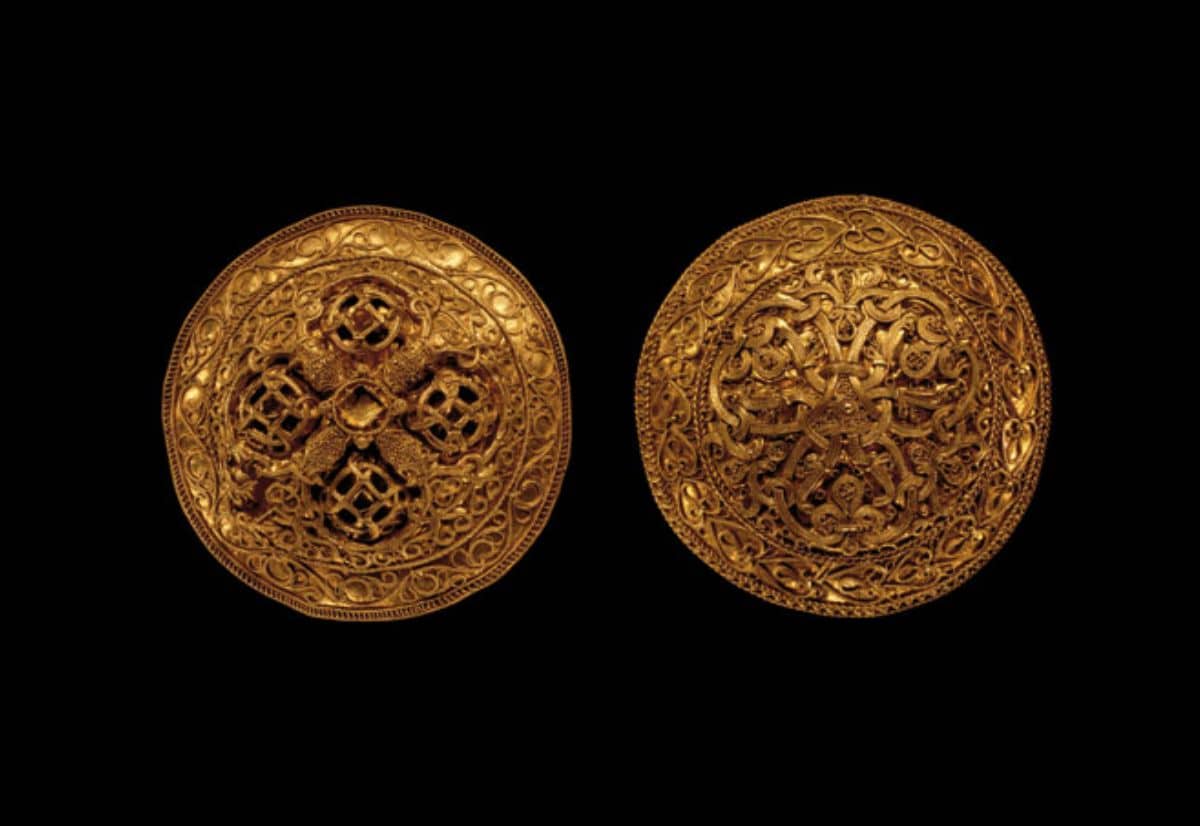
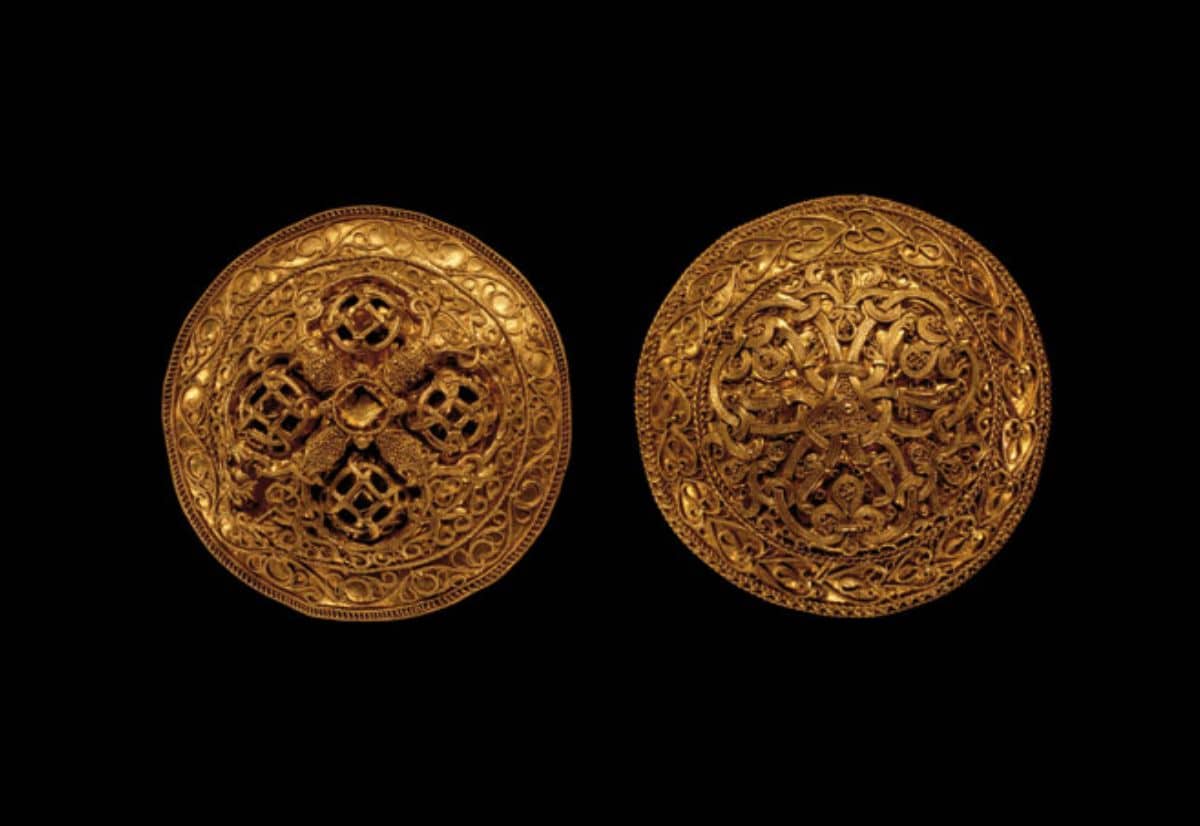
A metal detectorist in Denmark has unearthed a small gold brooch dating back roughly 1,500 years to the Germanic Iron Age. The artifact, just over four centimeters (1.6 inches) long, is decorated with intricate circular patterns and crafted using advanced goldsmithing techniques. Researchers say it is a rare and significant discovery.
Mikkel Warming found the brooch after picking up a faint signal on his metal detector. He said the reading sounded almost identical to those produced by twisted aluminum scraps or old bottle caps, the kind of false signals that fill most holes he digs.
When the golden color finally appeared from the heavy soil, he described the moment as a direct connection to the past, with immediate questions forming about who might have once worn such a piece.
The object is a type of clasp used to fasten clothing. Researchers have provisionally dated it to around the mid-6th century AD, placing it within the late Germanic Iron Age. The dating is based on comparisons with similar known examples, though further analysis is still needed to confirm it.
Rare 1,500-year-old gold brooch discovered in Denmark by metal detectorist Mikkel Warming. pic.twitter.com/IBRw9OGUay
— Tom Marvolo Riddle (@tom_riddle2025) April 30, 2026
The brooch features a dense, regular pattern of small circular elements across its entire surface. This decoration points to granulation, a technique in which tiny gold spheres are applied to a metal surface, and filigree, which uses thin metallic threads to form patterns.
Both methods demand a high level of skill and suggest the work of highly specialized craftsmen operating within an organized production setting.
The iron pin on the back is heavily corroded, but it confirms that the piece originally served a practical purpose. A small stone is also attached to the underside, the result of mineral buildup over centuries. Researchers say this suggests the object remained largely undisturbed where it was deposited.
Why the gold brooch ended up in that particular spot in Denmark is still unclear. No other archaeological evidence has been found nearby, and it may have simply been lost. Archaeologists are now checking the area for traces of ancient burials or structures.
Gold brooches of this type are considered rare, especially with decoration this elaborate. In archaeological terms, they typically signal social rank. Owning and displaying such a piece pointed to access to trade networks and skilled production.
Researchers are also examining what the shape may have symbolized. Its elongated, textured form has been interpreted as possibly representing a tongue, an image long associated across European cultures with eloquence, power, and authority.