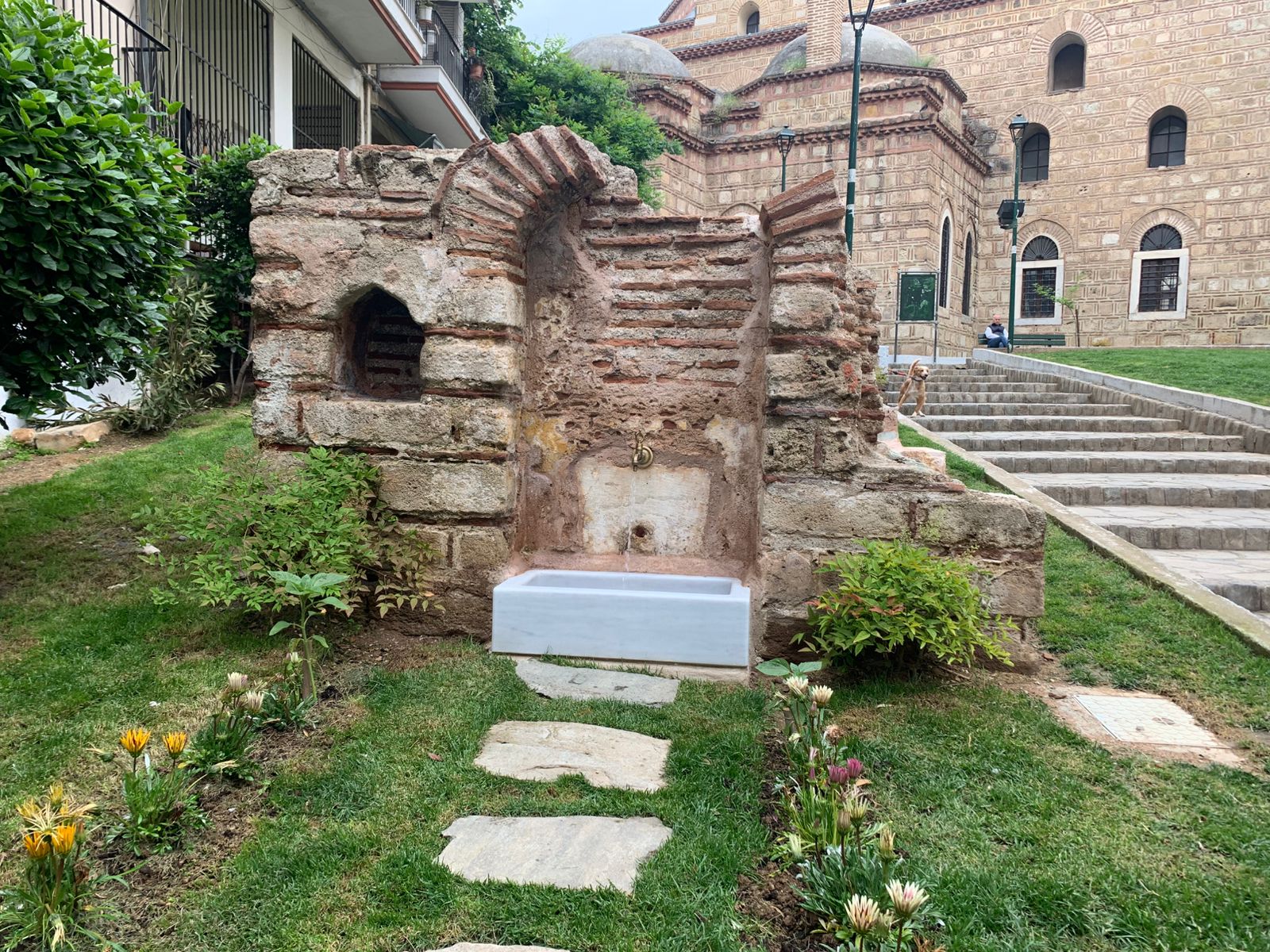
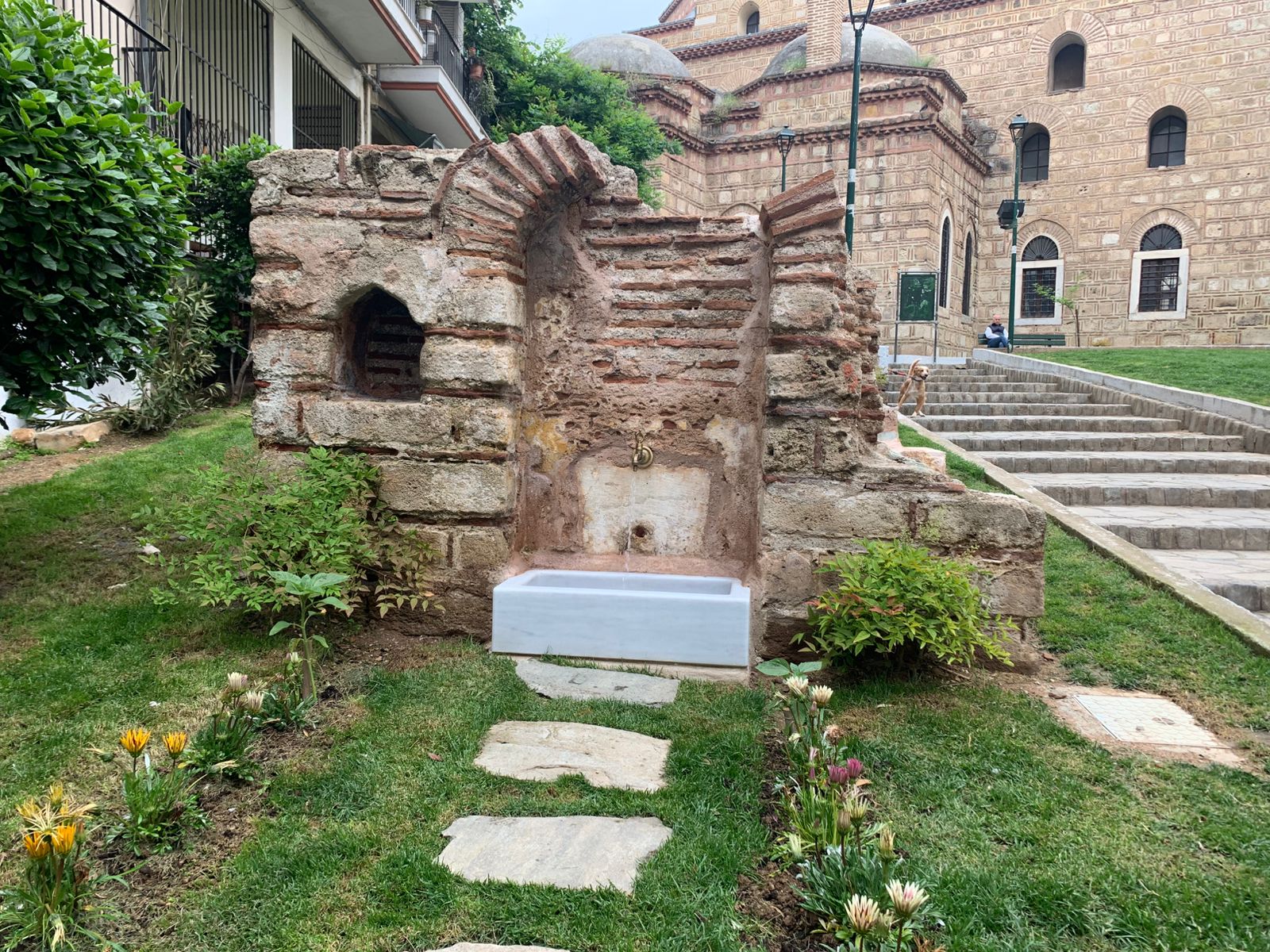
Eight historic fountains in the Upper Town (Ano Poli) of Thessaloniki have been restored, with water flowing again after decades.
Culture Minister Mendoni emphasized that the restoration is a vital intervention in the city’s urban fabric. “Our monuments should not be static; they must be vibrant and integrated into daily life. The flowing water symbolizes a continuity of history and serves as an antidote to the toxicity of our times.”
Mayor Angeloudis noted: “The greatest wealth of this ‘ageless’ city is its cultural heritage—the interaction of cultures, religions, and ethnicities,” he noted. “These fountains have their own stories to tell, and now those stories will continue.”
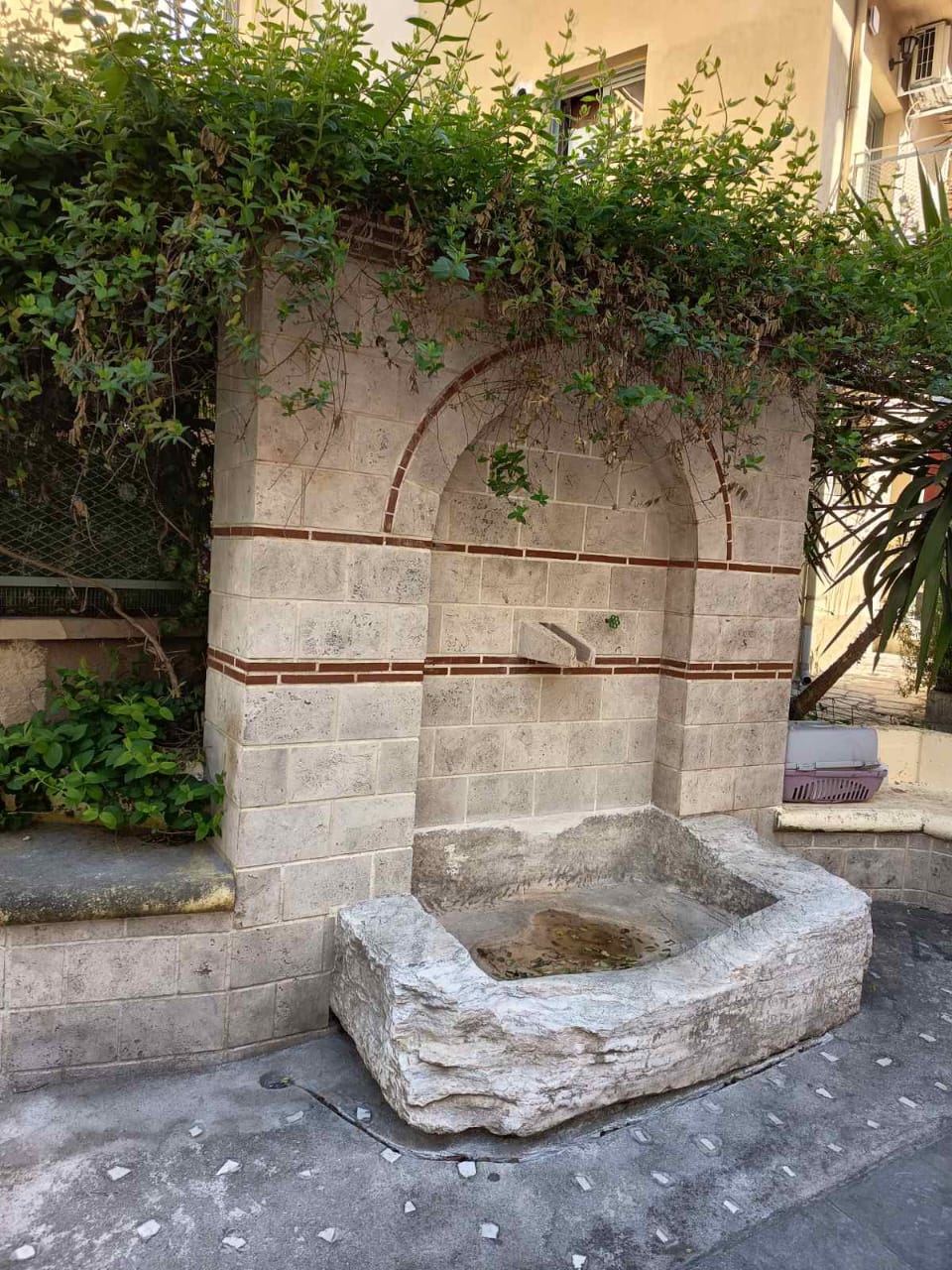
The €200,000 project involved the restoration of eight Ottoman-era fountains in Thessaloniki’s 3rd Municipal District. Executed by the Ephorate of Antiquities of the City of Thessaloniki, the work began in December 2024. The four fountains delivered in this final phase are located at:
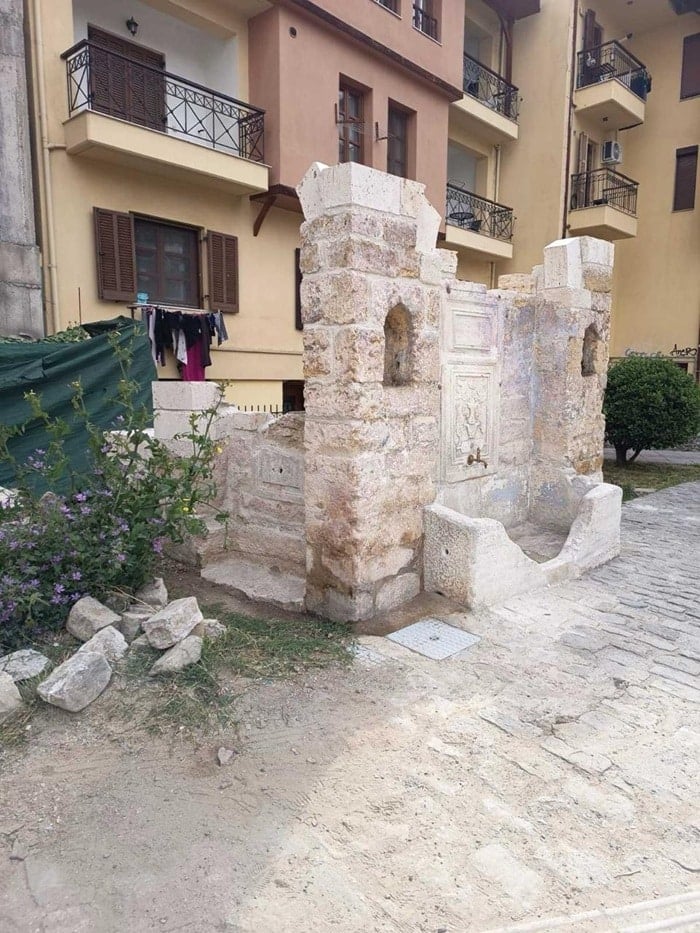
The first phase of the project, which included the famous “Red Fountain” (Kokkini Vrysi) and three others, was completed and delivered to the public in September 2025. This initiative is part of a wider strategy to upgrade the public space of the Upper Town, offering an authentic experience of Thessaloniki’s centuries-old history.
In Islamic tradition, providing water to the thirsty is considered one of the highest forms of charity. The donors—often high-ranking officials or wealthy citizens—believed that as long as the water flowed and people drank, they would continue to receive spiritual blessings even after death.
Ottoman life in Thessaloniki revolved around the mosque, and ritual prayer requires wudu (ablution/washing). Fountains like the one at Aladja Imaret weren’t just for drinking; they were strategically placed to allow the faithful to wash before entering the sacred space.
Before modern plumbing, the local fountain was the equivalent of the “water cooler.” It was the primary social meeting point for the residents of the Ano Poli (Upper Town). Women, laborers, and travelers would congregate there daily.
Related: Thessaloniki’s Ottoman Heritage Reborn: Iconic Bey Hamam Reopens