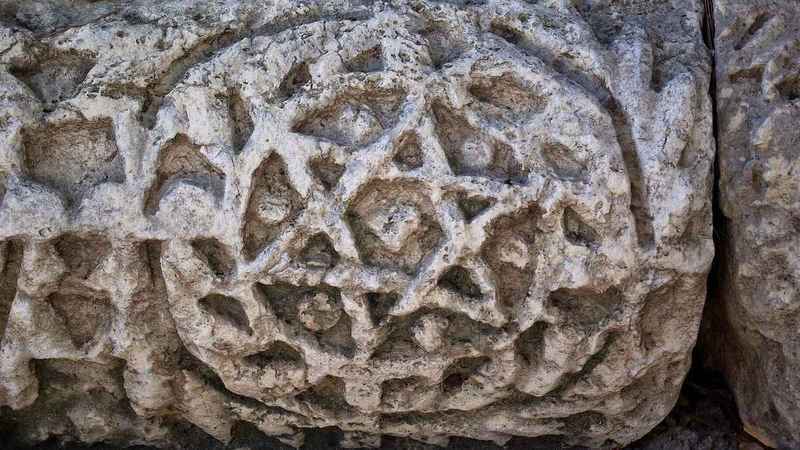

Among the most intriguing theories surrounding the Star of David symbol involves the ancient Minoans of Crete.
Today, the Star of David remains one of the most recognizable symbols of Judaism. Most people associate the hexagram directly with Jewish identity and the modern State of Israel. However, the symbol itself existed long before its adoption by Jewish communities during the medieval period. Across the ancient world, many civilizations incorporated hexagram and star-shaped designs into religion, decoration, and sacred art, and the Minoans were among the earliest cultures known to do so.
The Minoans established one of the earliest advanced civilizations in Europe. Centered on Crete, their civilization flourished during the Bronze Age and developed extensive maritime networks across the Mediterranean. Minoan artists filled their pottery, frescoes, and jewelry with sacred symbols and geometric forms. Spirals, double axes, solar motifs, and star-shaped designs appeared frequently throughout their art.
Among these symbols was the hexagram pattern later associated with the Star of David. In the Archaeological Museum of Heraklion on Crete, the symbol appears on ceramics and ancient coins connected to Minoan civilization. These archaeological discoveries demonstrate that the symbol existed in the Greek world long before its later association with Judaism. The hexagram therefore originally formed part of the spiritual and artistic vocabulary of the Minoans.
This interpretation gains additional support from the enormous cultural influence Crete exercised across the Eastern Mediterranean during the Bronze Age.
In classical Greek thought, the hexagram consisted of two interlocking triangles that carried cosmological significance and represented the balance of natural forces. The upward-pointing triangle symbolized Fire, while the downward-pointing triangle symbolized Water. Together, the union of these opposing forms expressed harmony, balance, and the structure of the cosmos itself.
This interpretation fits naturally within the intellectual world that later produced Pythagorean and Platonic ideas concerning geometry and sacred proportion. Geometric forms held profound symbolic value in Greek philosophy and mathematics, and the hexagram therefore reflected deeper ideas related to nature and cosmic unity.
The Hebrew letter Dalet, associated with the name David, closely resembles the Greek letter Delta (Δ), which possesses a triangular form. Since the earliest version of the Star of David essentially consists of two overlapping triangles, the symbol may preserve older Eastern Mediterranean geometric traditions influenced by Greek and Minoan symbolism.
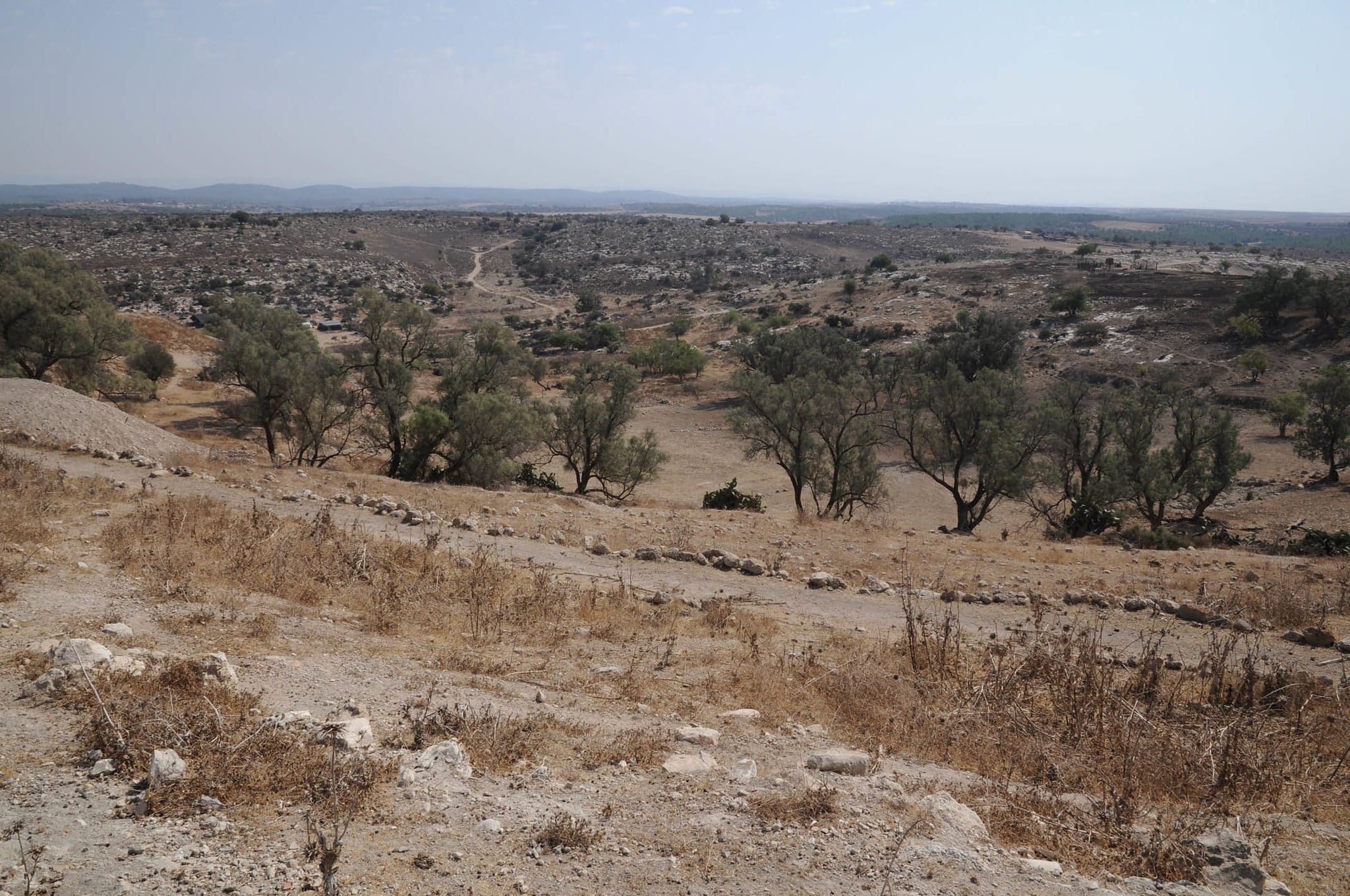
Ancient Greek tradition preserves an important story involving the royal family of Crete. According to the historian Herodotus, conflict erupted between Minos and his brother Sarpedon, the sons of Europa, over control of the island. Minos ultimately defeated Sarpedon and forced him into exile. Herodotus writes:
“Such are their fashions. The Lycians were of Crete in ancient times (for of old none that dwelt [on] Crete were Greek). Now there was a dispute [on] Crete about the royal power between Sarpedon and Minos, sons of Europe; Minos prevailed in this division and drove out Sarpedon and his partisans; who, being thrust out, came to the Milyan land in Asia. What is now possessed by the Lycians was of old Milyan, and the Milyans were then called Solymi.”
These displaced Cretan groups carried Minoan symbols, traditions, and religious ideas eastward. Over generations, such communities expanded farther across the Eastern Mediterranean and eventually into Philistia. According to this interpretation, the six-pointed star traveled alongside these migrations.
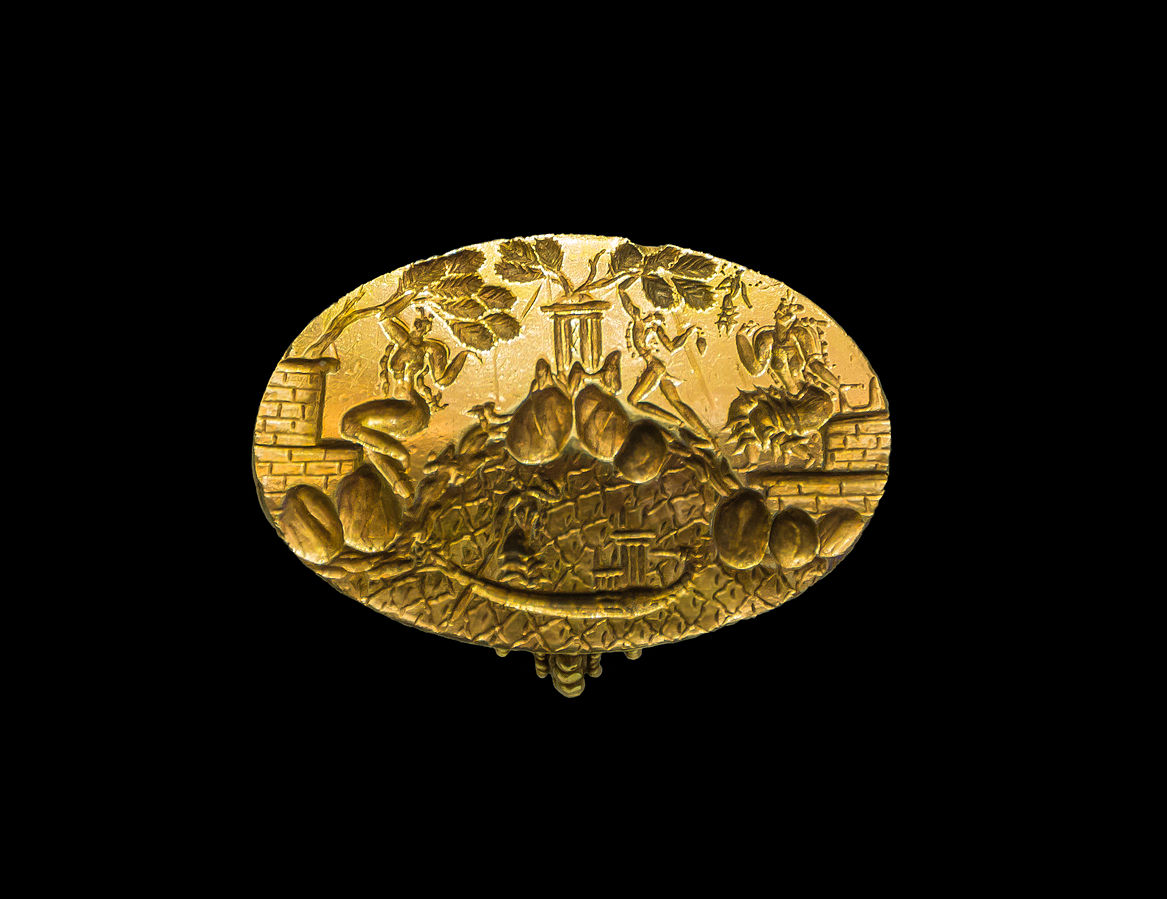
The Solymi occupy an important place in this historical interpretation. Ancient writers such as Homer and Herodotus refer to the Solymi as a people associated with southern Anatolia and the Eastern Mediterranean. The Jewish historian Josephus also discusses traditions concerning the Solymi and the origins of Jerusalem. According to him, the ancient city originally bore connections with the Solymi before later Hebrew dominance:
“During the time of Abraham, our ancestor, the city was called Solyma. Many say that even Homer calls it Solyma. The additional name ‘Hiero’ was given by the people of Joshua during the war against the Canaanites, during which the Canaanites held the city, which Joshua allotted to the Hebrews. However, they could not drive the Canaanites from Jerusalem until David besieged it.”
The theory also proposes that Mount Zion itself preserved traces of older Greek linguistic traditions. Some interpretations connect “Zion” with earlier Greek and Dorian forms related to divine or sacred concepts. Therefore, according to this view, the region prior to Hebrew conquest retained prevalent Aegean and Cretan influences.
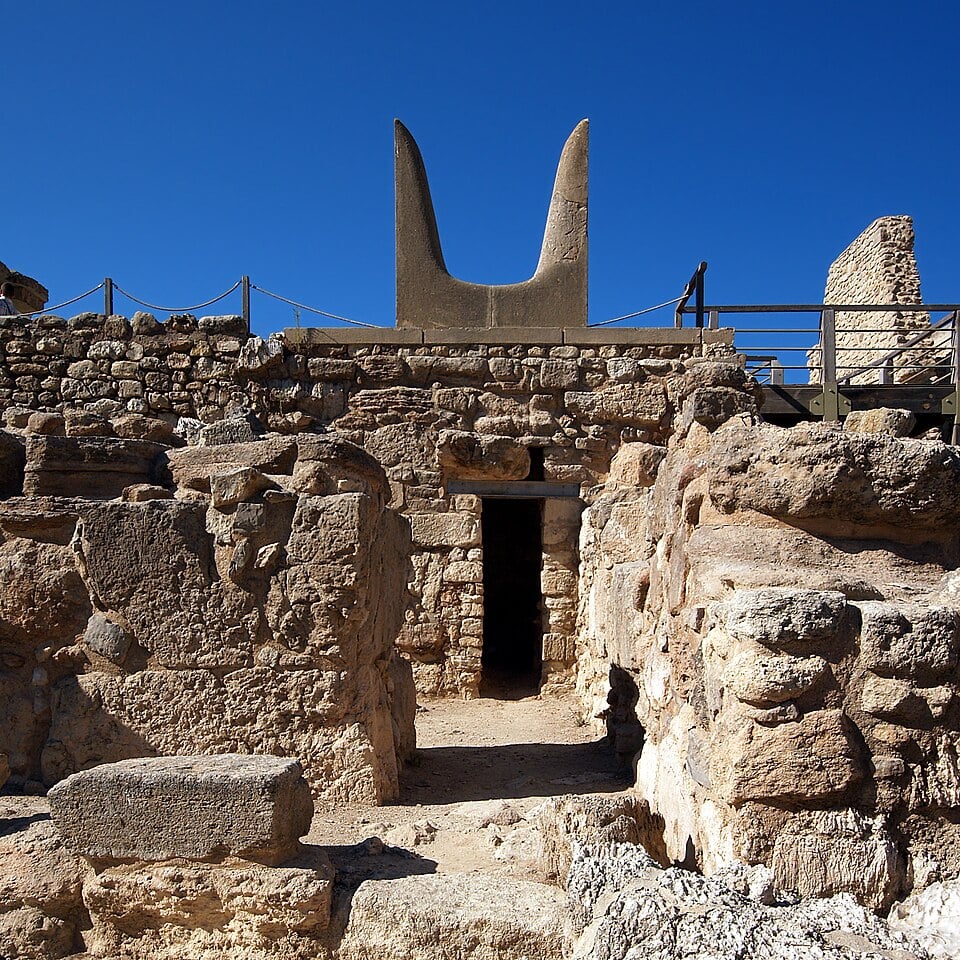
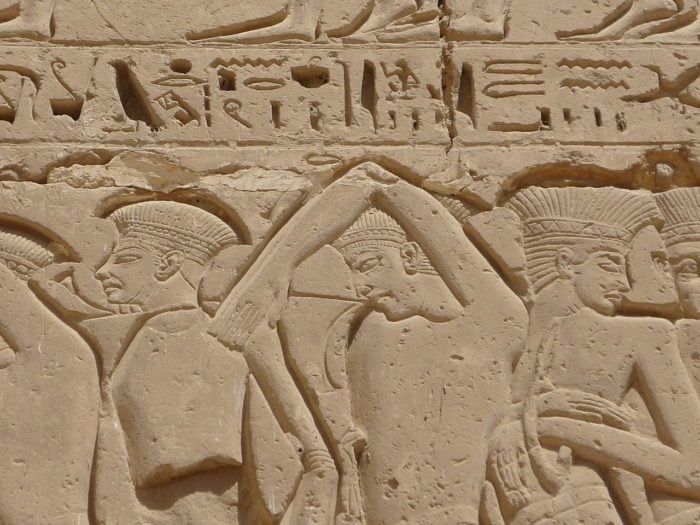
The Philistines provide another major link between Crete and the Levant. Ancient sources repeatedly associate the Philistines with Crete and the wider Aegean world. The Hebrew Bible itself identifies the Philistines with Caphtor, which most translations associate with Crete. The Book of Zephaniah directly addresses the Philistines in connection with Crete and the coastal lands.
This association appears in passages that condemn the inhabitants of the Philistine coast and refer to peoples originating from Crete. At the same time, Egyptian records mention a group known as the Peleset among the Sea Peoples. Many historians identify the Peleset with the Philistines. The similarity between “Peleset” and “Philistines” is often cited as supporting evidence for this identification.
Archaeology also reinforces these connections. Early Philistine pottery, weapons, architecture, and burial customs reflect significant Aegean influence, with many features resembling Mycenaean and broader Greek cultural traditions.
Over centuries, cultures adapted and transformed symbols in response to changing religious and political realities. The six-pointed star eventually entered Jewish religious symbolism and later became known as the Star of David. However, proponents of a Minoan origin argue that it first emerged much earlier in the Aegean world.
This process would not be unusual in ancient history. The Minoans maintained one of the most dominant naval presences in the Bronze Age Mediterranean. Their ships traveled widely, and their cultural influence reached Egypt, the Levant, Cyprus, and mainland Greece. As a result, Minoan religious motifs such as the so-called “Star of David” spread far beyond Crete itself.