Archaeologists studying the Tombs of the Kings in Paphos, Cyprus, say the monumental burial complex reflects strong ancient Greek and Egyptian influences, offering new insight into the multicultural character of the Hellenistic world.
Cyprus’ Department of Antiquities announced Wednesday that it is publishing a new book series documenting decades of excavations at the UNESCO-listed site. The first volume, covering excavations carried out between 1977 and 1981, marks 35 years since archaeological work at the site was completed.
Officials said the excavations opened a new chapter in the history of Hellenistic Paphos, revealing details that had previously remained unknown.
Located near the coastal city of Paphos, the Tombs of the Kings are among Cyprus’ most important archaeological landmarks. Despite their name, historians believe the underground tombs were not built for kings but for wealthy aristocrats and high-ranking officials during the Hellenistic and early Roman periods.
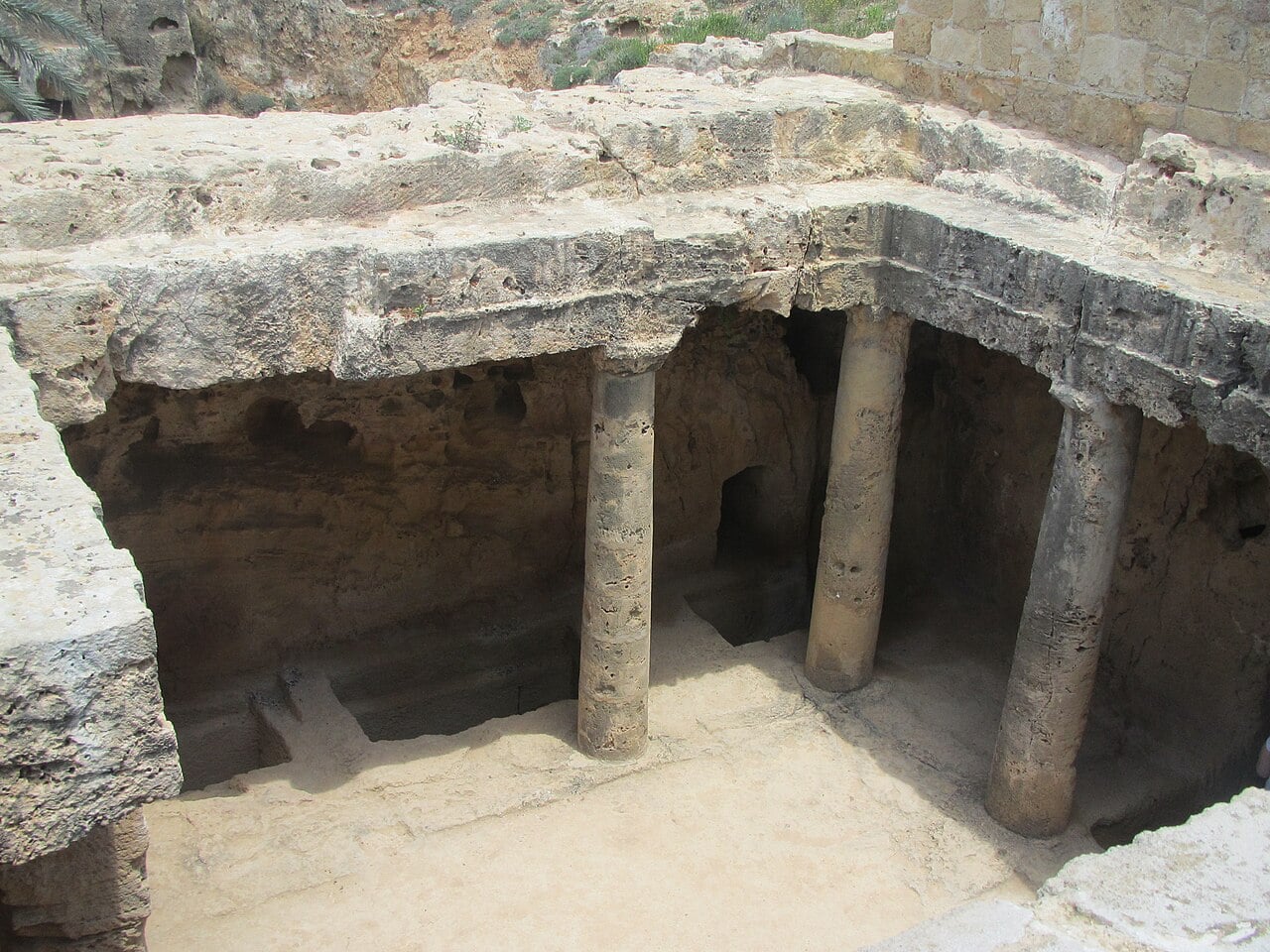
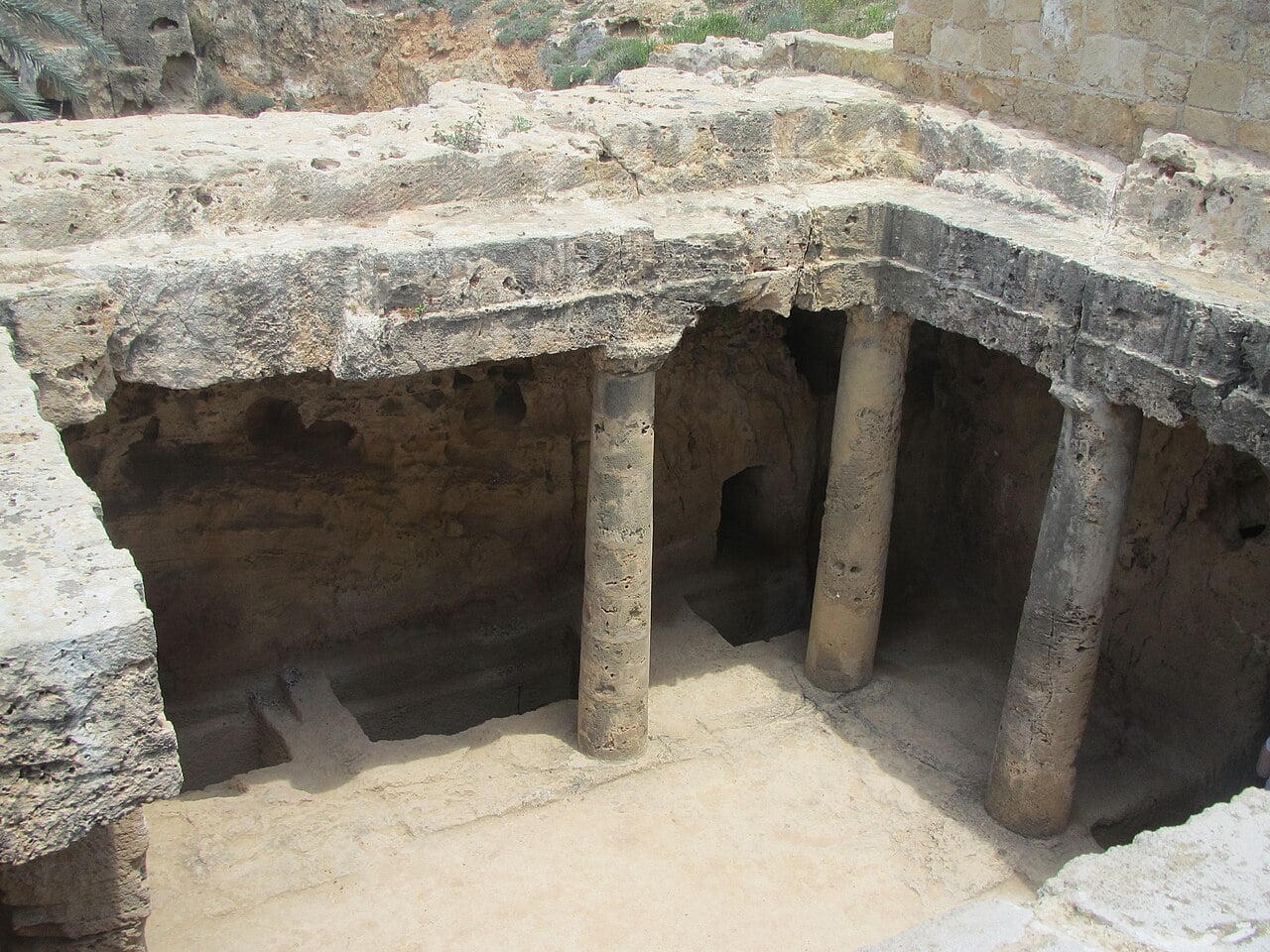
Researchers said the site’s large courtyards, rock-cut columns, and monumental layouts resemble funerary architecture found in both Alexandria and Macedonia. These features highlight Cyprus’ close cultural and political links with the eastern Mediterranean after the conquests of Alexander the Great.
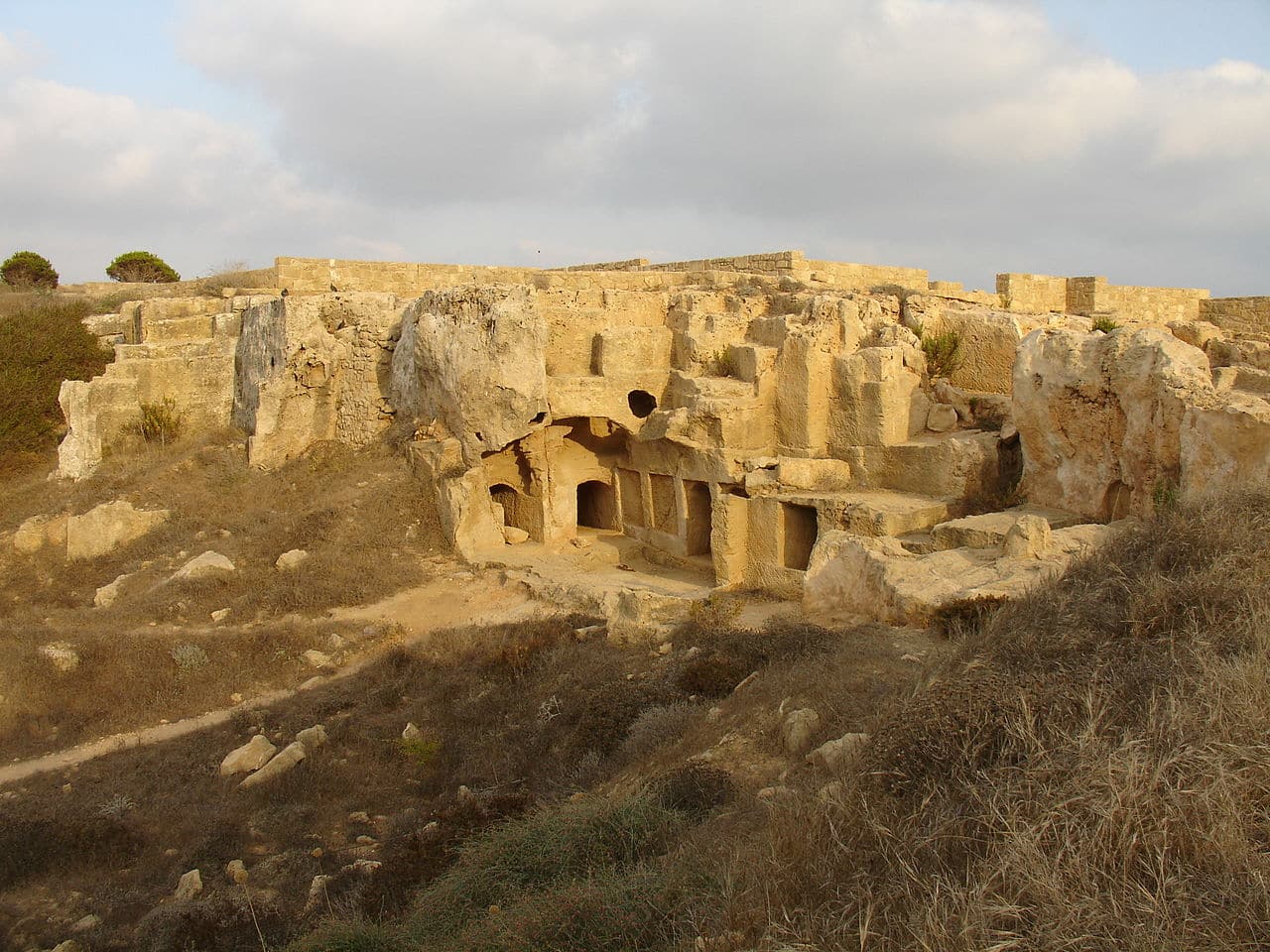
Particular attention in the new publication is given to “Tomb 8,” one of the largest and most complex monuments at the site. First excavated in 1979, the tomb is carved directly into natural rock and organized around a central stone cube surrounded by four symmetrical wings and an open courtyard. A monumental stepped entrance leads into the structure.
Excavations uncovered 18 burials and evidence of cremation in the form of a lead urn. Archaeologists noted that cremation was uncommon in Cyprus but widely practiced in the Macedonian world, suggesting outside cultural influences.
Researchers also identified features linked to purification rituals, including a well built into the central space and water-related installations illuminated by a skylight. Similar practices have been documented in funerary monuments in Alexandria.
The tomb also revealed signs of long-term use across multiple generations. Archaeologists found evidence of different burial customs, including the burial of a child inside a clay pipe, reflecting changing rituals and traditions over time.
Two limestone falcon sculptures discovered near the main burial chamber may point to connections with the Ptolemaic administration or even members of the royal family. In ancient Egypt, the falcon was associated with the god Horus and symbolized royal authority.
The department said Cyprus played a key strategic role in the Ptolemaic kingdom during the final centuries of the Hellenistic era. Researchers added that the discoveries at Tomb 8 continue to shed light on the island’s political ties, burial practices, and cultural exchanges before Cyprus became part of the Roman Republic in 58 B.C.