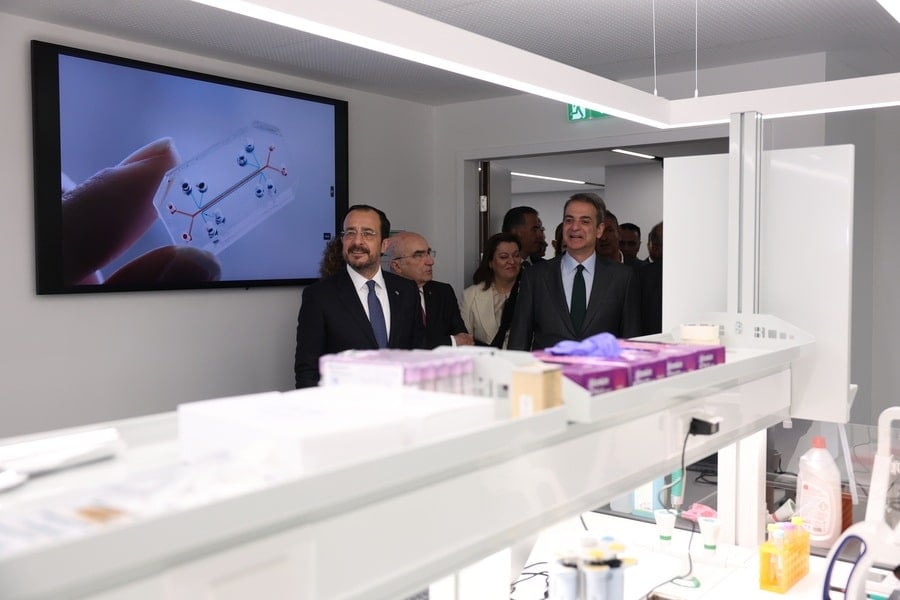
University of Nicosia Opens Branch in Athens
Categories:

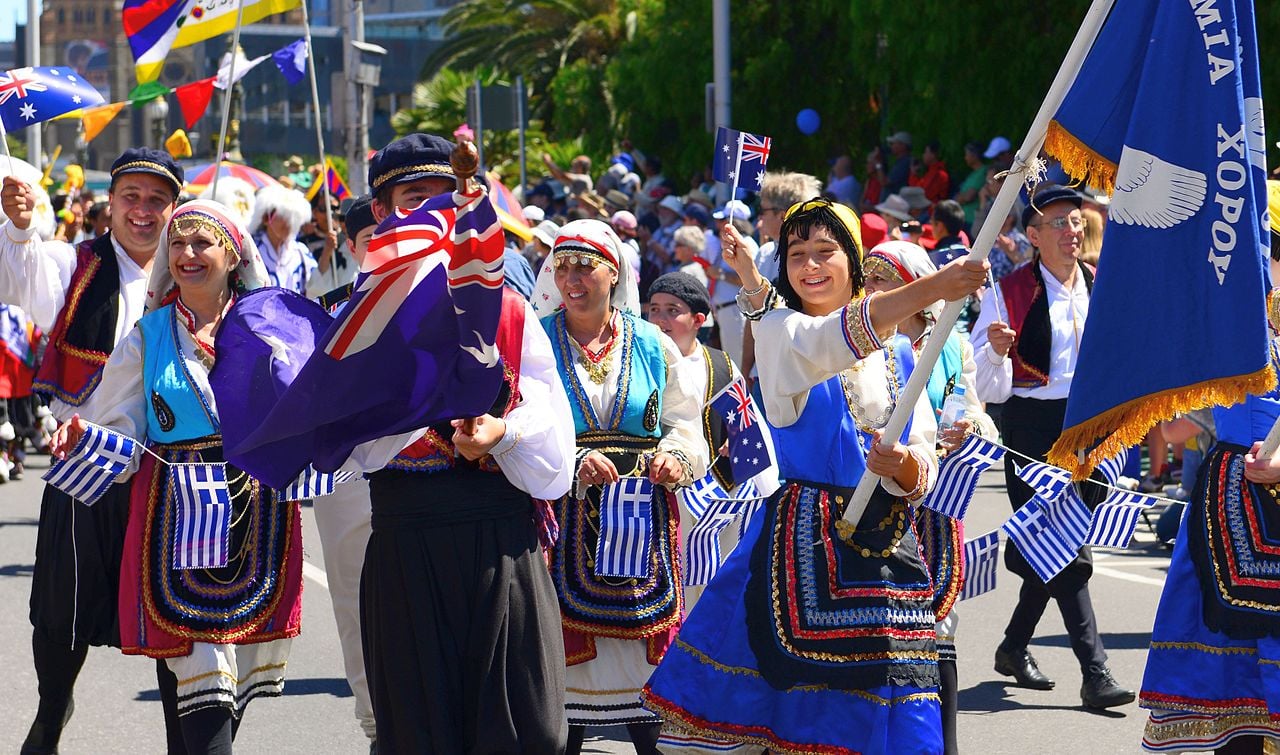
For the first time in decades, the number of Greek-born residents in Australia has slipped below 90,000—falling to roughly 87,000 in 2025. This is a stark contrast to the nearly 140,000 recorded in the mid-90s.
According to the Australian Bureau of Statistics, this 37% decrease is primarily driven by natural aging, with the average age in this cohort rising from 54 to 77 over the last thirty years.
While Greece was once a top-six source of Australian migrants, it fell out of the top ten nearly two decades ago. Today, Victoria is the only state where the group maintains a top-ten ranking.
A similar trend is observed among Cypriot-born Australians, whose numbers declined from 23.310 in 1996 to 16,560 in 2025, alongside a notable increase in average age.
As the broader Australian migration profile shifts toward South Asian and East Asian origins—with India now surpassing England as the primary country of birth for overseas residents—the Greek legacy transitions from a living demographic to a historical and cultural cornerstone of Australian society.
PM Anthony Albanese in his official message marking Greek Independence Day 2026, highlighted the foundational role the Greek diaspora plays in modern Australia.
“The immigrants who arrived in the post-war years gave Australia one of the world’s largest Greek diasporas… and as they thrived here beneath the southern sky they became integral to the story of our modern nation,” Albanese remarked.
Related: Archbishop Makarios of Australia Says Greek Must Remain in Church to Protect Identity