
A military campaign launched by the Frankish ruler Charlemagne in the late 700s set the foundations for Europe’s east-west divide, shaping the continent’s political landscape for more than a thousand years, according to new research published in the Austrian History Yearbook.
Helmut Reimitz, a historian at Princeton University, argues that Charlemagne’s conquest of the Avar people in Central Europe in 795 CE did far more than expand a medieval empire. It drew a line between east and west that would later echo in everything from medieval church politics to the Iron Curtain of the 20th century.
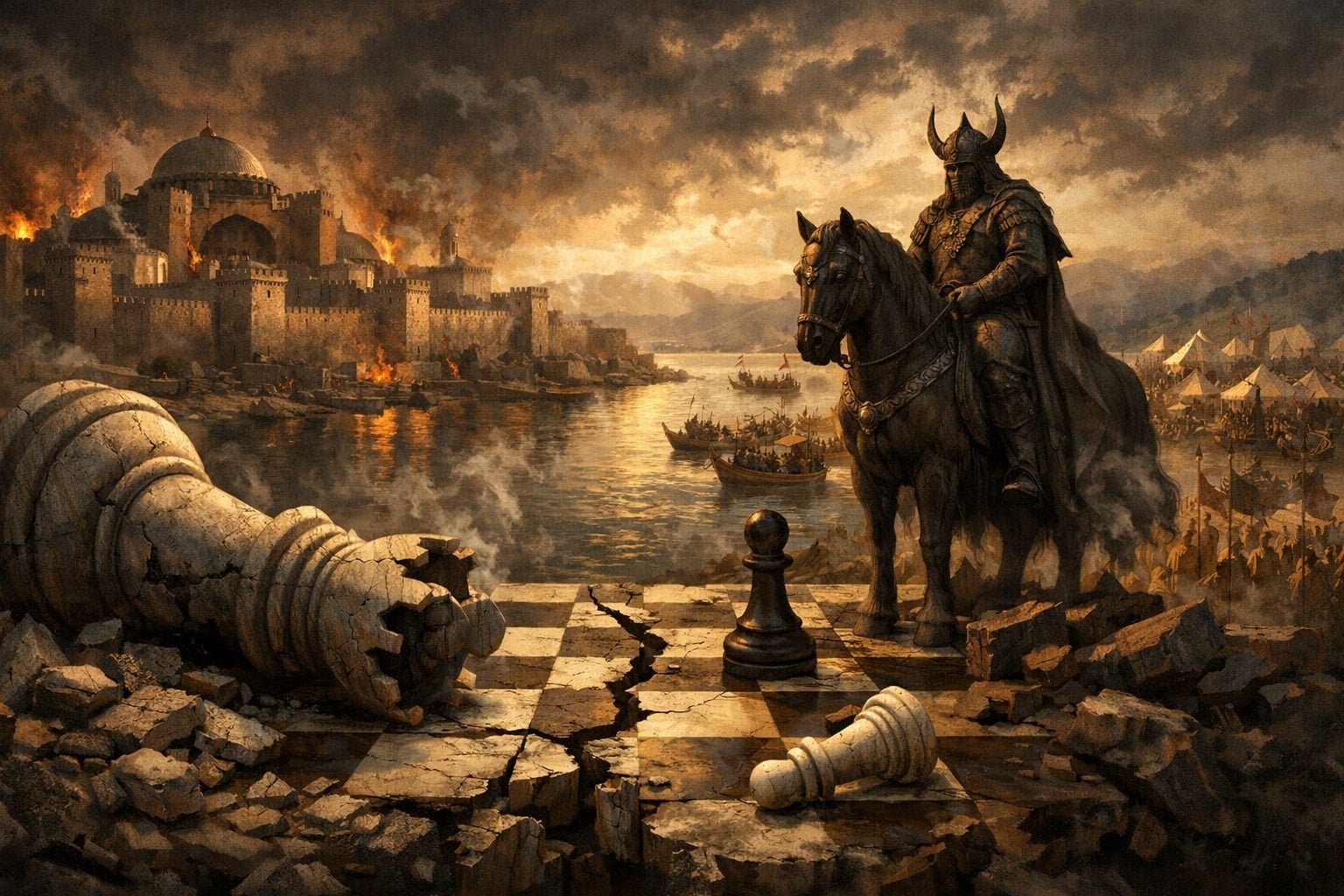
The Avars were a steppe people who had controlled Central Europe for roughly 200 years before Charlemagne’s armies marched east. Carolingian propaganda portrayed them as the ultimate enemies of Christendom and the campaign as a holy war.
In 791, Charlemagne sent three armies into Avar territory. Before crossing the river Enns, the entire army fasted for three days, held masses, and prayed for divine protection.
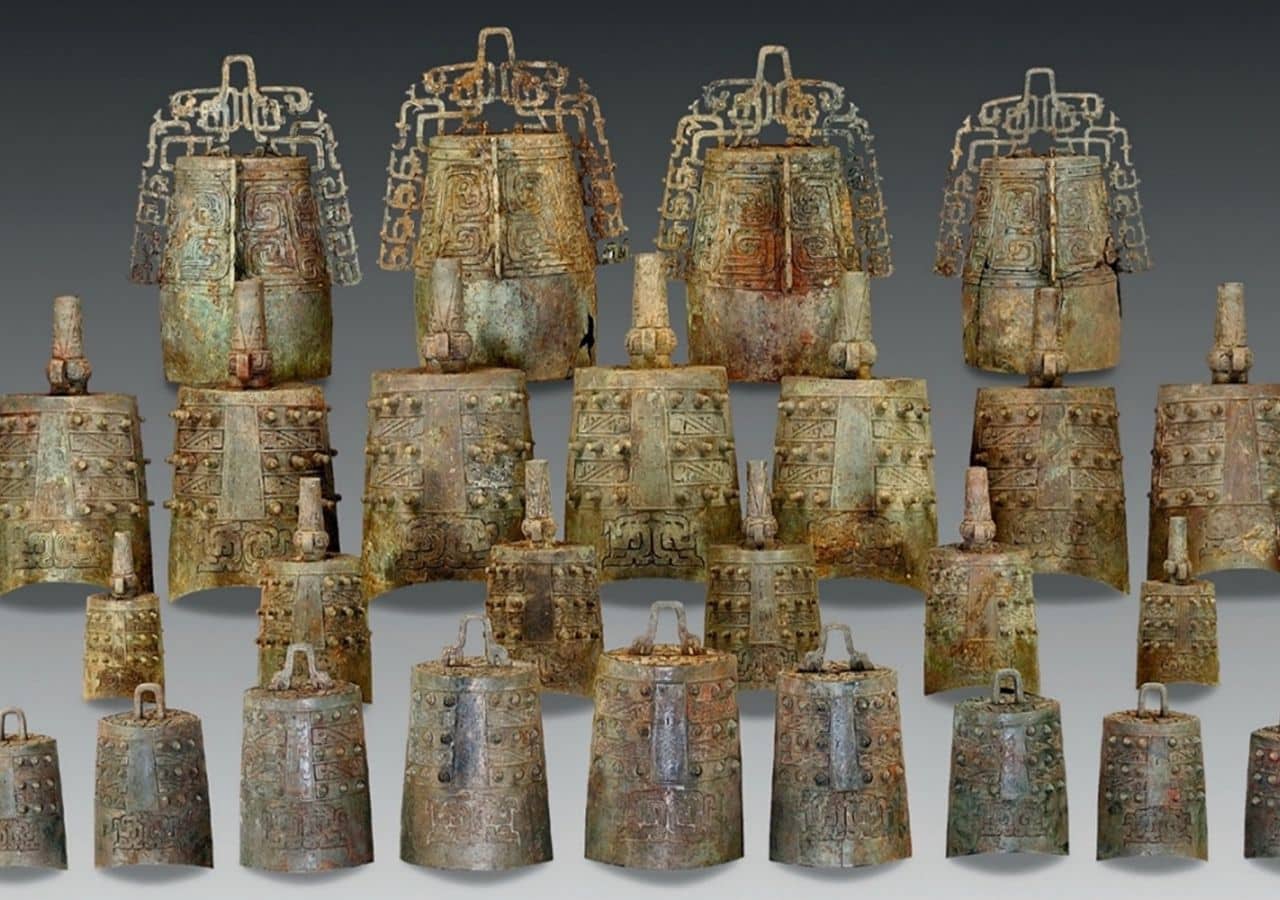
The initial campaign produced little. The armies marched deep into Avar territory and found almost no resistance. In 796, Charlemagne’s son Pippin finally conquered the Avar capital and seized a vast treasure. Charlemagne distributed it across Europe to cement his image as the most powerful Christian ruler of the West.
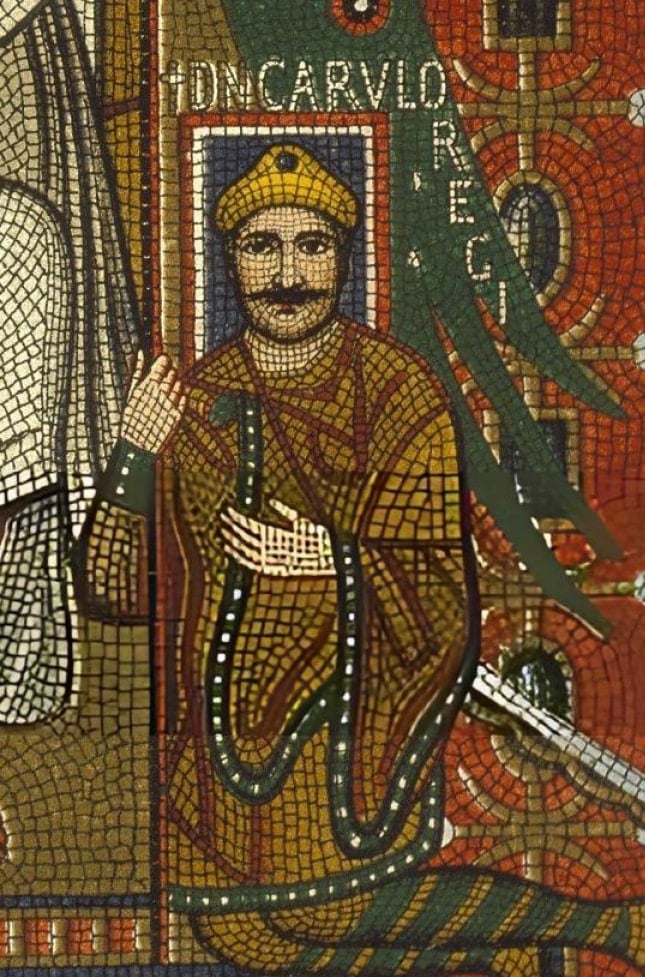
The conquest, however, created a lasting problem. The Avars, unable to maintain their political identity under a Christian Frankish emperor, simply disappeared. By 822, their name no longer appeared in Carolingian records. With no Avar client kingdom as a political partner, Carolingian rulers lost their footing in Central Europe.
Reimitz notes that the religious ideology driving the conquest also made practical governance harder. Alcuin, a close advisor to Charlemagne and head of the palace school, warned that forcing rapid conversion on conquered peoples was a serious mistake.
He argued that Christianization required careful instruction, not battlefield compulsion.
The strict Christian rules the Carolingians imposed also blocked flexible diplomacy. Church guidelines even forbade Christians from dining or celebrating with non-Christians, cutting off a key tool for building political alliances.
These tensions deepened in the 860s when Byzantine missionaries Cyril and Methodius arrived in Central Europe with a Slavonic alphabet and liturgy, directly challenging Frankish church authority.
Frankish bishops accused them of using an unauthorized language. The dispute hardened the region’s divisions even further.
Reimitz concludes that the east-west divide born of Charlemagne’s conquest remained a powerful force shaping Europe’s politics well into modern times, from early conflicts against the Ottoman Turks to the Iron Curtain itself.