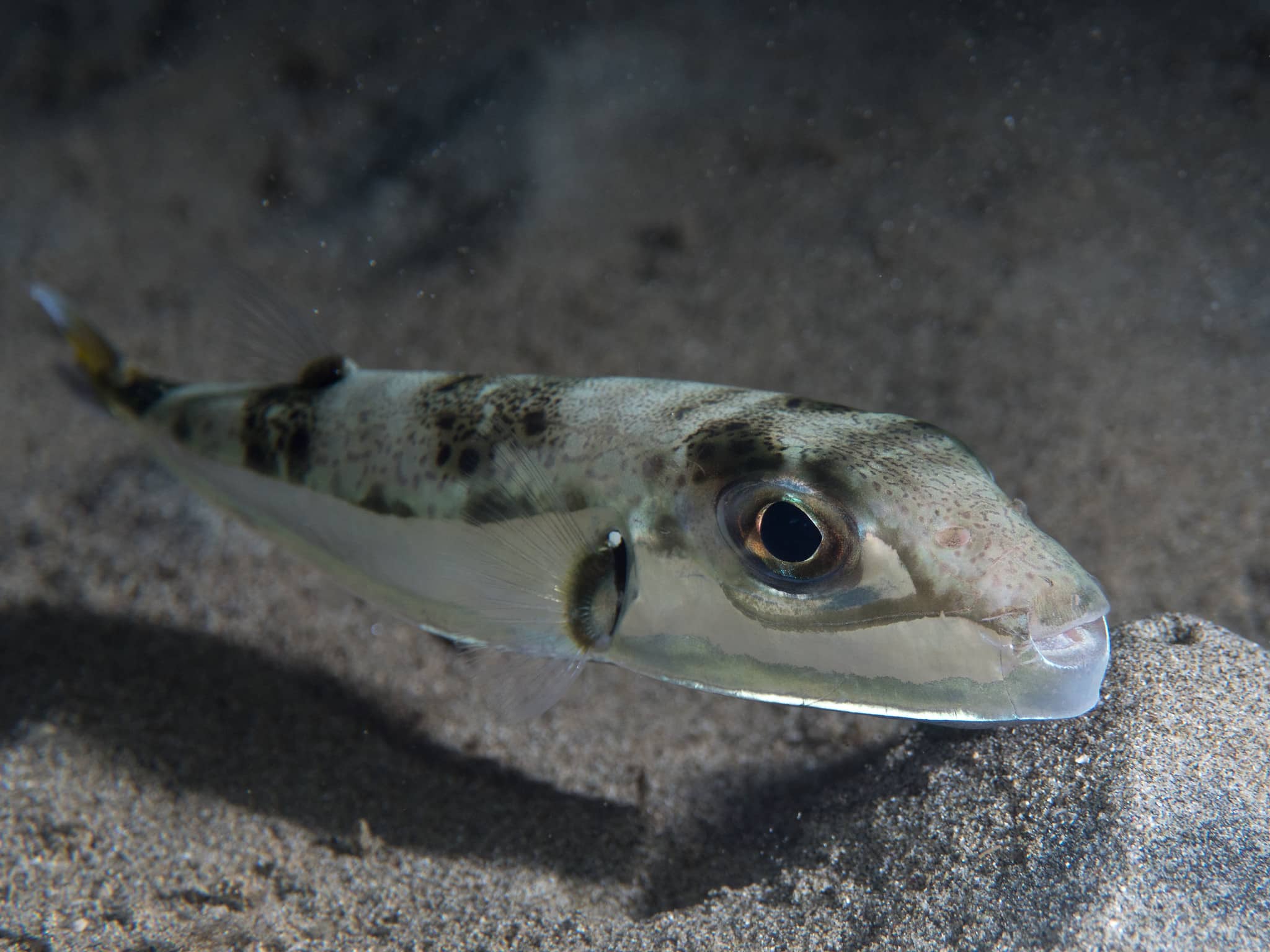
The invasive silver-cheeked pufferfish, widely known in Greece as the lagokephalos, has spread across Greek waters and now poses a serious problem for fisheries, marine ecosystems, and public health if consumed.
Stefanos Kalogirou, Associate Professor at the Agricultural University of Athens, told Greek Reporter that the pufferfish can now be found across a wide geographical range in Greece, “from the southern Aegean to the northern Aegean and from the southern Ionian to the northern Ionian.”
The pufferfish, scientifically known as Lagocephalus sceleratus, was first recorded in the Mediterranean in 2003 off the coast of Turkey. Greece recorded its first sightings in 2005 in Rhodes and Crete, Kalogirou said.
Since then, the species has expanded rapidly. It belongs to the Tetraodontidae family, a group whose name refers to the four fused teeth, two in each jaw, that give these fish their powerful bite.
Kalogirou explained that there are around 130 species of pufferfish and related tetraodontids worldwide. Six have appeared in the eastern Mediterranean, including Lagocephalus sceleratus.
The danger comes from tetrodotoxin, one of the most powerful marine toxins known. The toxin is found mainly in the liver and reproductive organs of the fish, although Kalogirou noted that it can also be present in muscle tissue, the part humans may attempt to eat.
“Tetrodotoxin causes muscle paralysis, blocks the nervous system, and can lead to death,” Kalogirou told GreekReporter.
The main threat, however, does not come from contact with the fish. It comes from eating it.
“The toxin affects humans only when they consume the fish, not if the pufferfish injures them with its teeth,” Kalogirou said. “The highest concentration of the toxin is in the liver and not in the mouth or teeth of the lagokephalos.”
That distinction matters because the fish’s strong teeth can still cause injuries. Kalogirou stressed that a bite can create a wound, but the toxin does not transfer through the teeth.
For swimmers, the main risk from a bite is physical injury, not poisoning. The teeth of the silver-cheeked toadfish are strong enough to crush shells and damage fishing gear, so a bite can be painful and may require medical attention.
Kalogirou made clear, however, that a bite should not be confused with tetrodotoxin poisoning.
“The bite has nothing to do with the toxin,” he told GreekReporter. “The toxin is not transferred through the teeth.”
Still, that does not mean people should approach the fish. Kalogirou said the species is usually searching for food, which is why swimmers and divers should avoid any interaction if they see it in the water.
Scientific reports suggest that bites by Lagocephalus sceleratus are an emerging but still uncommon public-health concern in the Mediterranean. The clearest documented case describes an eight-year-old girl in southern Turkey who suffered severe finger injuries, including traumatic amputation, after being bitten while swimming. Another medical report from Turkey describes prolonged inflammation after a suspected pufferfish bite.
Broader studies and reviews have collected additional bite reports from countries including Turkey, Greece, Cyprus, Libya, and Syria. However, many of these accounts come from interviews, medical notes, or media reports rather than formal clinical case studies. Overall, the evidence shows that the species can injure swimmers and fishers, although verified scientific documentation remains limited.
If a swimmer is bitten, the immediate concern is the wound itself. The person should clean the injury, seek medical care if the bite is deep, and monitor the area for infection. The far greater danger remains accidental or deliberate consumption of the fish.
European legislation prohibits fishery products from poisonous fish families such as Tetraodontidae from entering the market for human consumption. That ban reflects the seriousness of the toxin and the risk of fatal poisoning.
The public-health risk linked to lagokephalos is mainly connected to consumption. Unlike ordinary seafood poisoning, tetrodotoxin poisoning can be extremely serious because the toxin affects the nervous system and can cause paralysis.
Kalogirou stressed that the fish must not enter the food chain. The toxin can be present in parts of the fish that people may attempt to consume, which makes the species dangerous even if it is handled like an ordinary catch.
For the public, the warning is clear: the fish should not be eaten under any circumstances.
Beyond public health, the lagokephalos has become a serious problem for fishermen.
Kalogirou said the species damages fishing equipment, including longlines and catches, as it attacks prey and tears through nets and gear. The fish grows quickly, develops significant biomass, and has increasing energy needs as it gets bigger.
Its diet includes shells, octopus, and cuttlefish, which creates direct pressure on species that matter economically to Greek fisheries.
An earlier study by Kalogirou in Mediterranean Marine Science examined the species around Rhodes and found that Lagocephalus sceleratus feeds mainly on invertebrates and fish. The study also showed that larger individuals tend to shift toward mollusks, including commercially important cuttlefish and octopus.
The study estimated that half of the individuals reach maturity at around 36 centimeters. It also found that sandy areas are important for younger fish, while larger reproductive adults tend to prefer Posidonia oceanica seagrass habitats.
Those traits help explain why the species has become so difficult to control. It uses coastal habitats, grows quickly, feeds aggressively, and competes within ecosystems that already support local fisheries.
Lagocephalus sceleratus is considered one of the most invasive alien species in the Mediterranean. Kalogirou said to Greek Reporter that lagokephalos ranks among the 100 most invasive species in the region.
The fish has attracted attention not only because of its toxicity, but also because of its ecological and economic impact. Its presence affects fishermen, consumers, fish markets, and marine biodiversity.
The Mediterranean Marine Science study described the species as a pest for fisheries and a potential threat to biodiversity, citing its abundance in coastal fish communities and its ecological and social impacts.
For Greece, the problem is no longer limited to isolated sightings in the southeastern Aegean. The fish has expanded far beyond Rhodes and Crete and now appears across much of the country’s marine space.
Kalogirou said the issue needs serious attention because the species harms fisheries while also creating a public health risk if people attempt to eat it.
“It is a problem that must be addressed,” he told Greek Reporter, noting that the pufferfish causes major damage to nets and other fishing equipment.
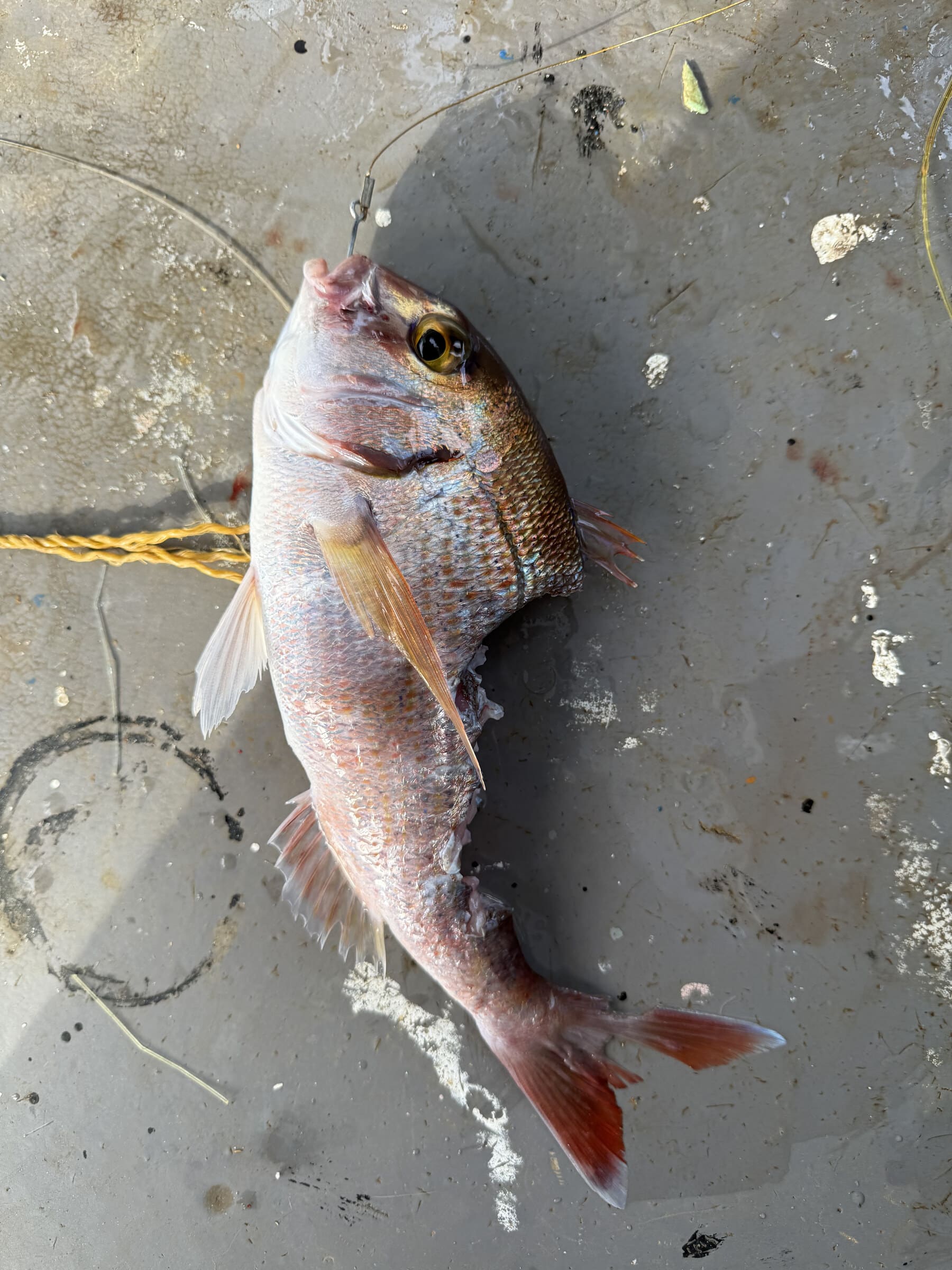
Managing the species is also complicated by the fact that landed fish cannot be treated as ordinary catch. Kalogirou said to Greek Reporter that once fishermen remove the species from the sea, proper handling and disposal need attention because the fish is toxic.
That means disposal should follow safe waste-management procedures. In some cases, this may involve appropriate facilities such as waste incineration sites, so that toxic material does not create further risks after landing.
The issue is also linked to ongoing European research. The Horizon Europe project MECCAM, which focuses on climate adaptation and mitigation in European fisheries, includes Greece as a case study and lists silver-cheeked toadfish among the species relevant to small-scale fisheries.
Population control through targeted depletion fishing may partly reduce the problem, Kalogirou said, but it is not a complete solution on its own. Public awareness remains essential, especially so that people know not to eat the fish and not to interact with it in the water.
He also noted that invasive species do not usually increase forever. Their populations may eventually decline or stabilize because of competition with other species, lack of food, fishing pressure, pathogens, or a combination of these factors.
“Invasive species usually follow a boom-and-bust process, increasing rapidly and then being reduced and stabilized,” Kalogirou said. “This can take years.”