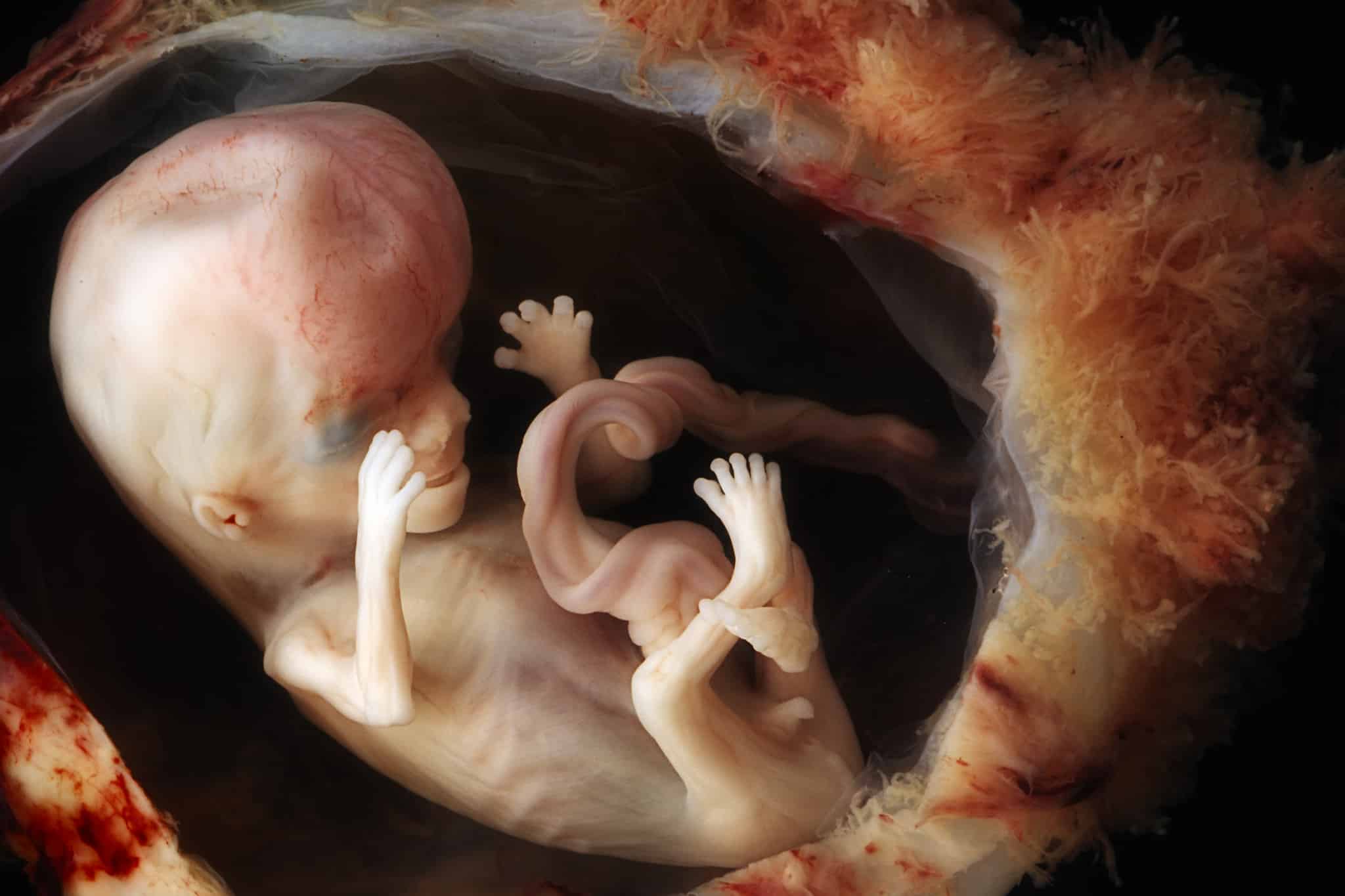
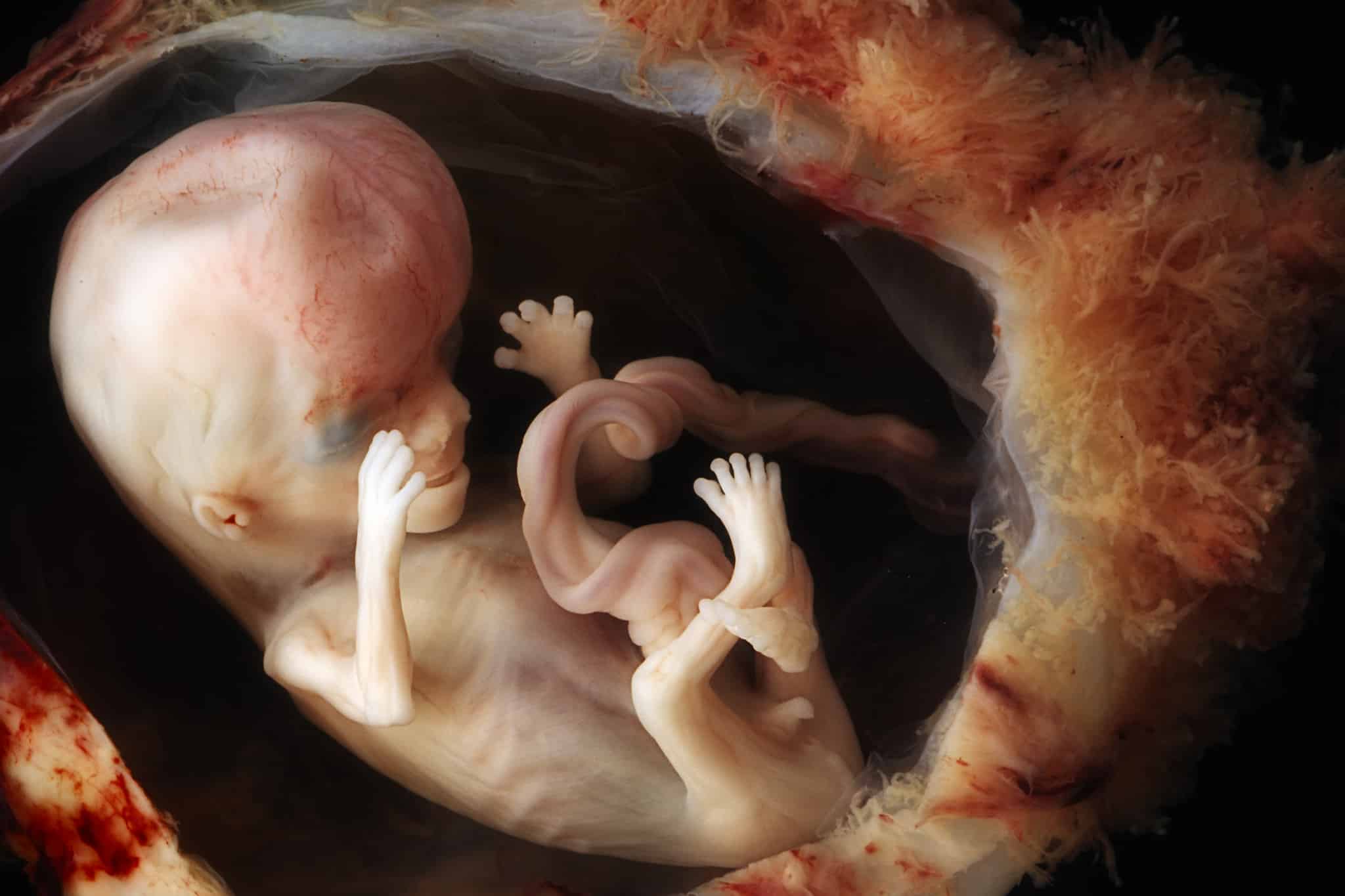
A 24-year-old Israeli man was arrested at Tymbou Airport in Turkish-occupied northern Cyprus after officers found four human embryos in his luggage. opening a wider investigation into what authorities describe as an illegal cross-border trafficking operation.
The Israeli man was arrested at Gate 8 checkpoint around 9:30 a.m. local time on May 19 as he prepared to board a flight to Mexico via Istanbul, with the embryos stored in four separate tubes inside a container labeled “Life Pack.” A court approved a two-day detention order.
Authorities raided a fertility clinic in occupied North Nicosia and arrested two Turkish nationals, identified as the clinic’s director and a local doctor. A court extended their detention by one day to allow further investigation.
Officials said that the clinic had been operating without proper authorization from the Health Ministry. It submitted a transfer request the previous Friday, which the authorities approved on the same Wednesday that the arrest occurred. Investigators say the suspects attempted the transfer before that approval was formally granted, making it illegal.
Police are also examining the suspected smuggling route. Tymbou Airport is not internationally recognized, and most of its flights connect through Turkey, the only country that recognises Northern Cyprus as an independent state.
Nir Yaslovitzh, an attorney specialising in international criminal law, said that cross-border IVF and genetic material cases have grown more common.
He described the legal landscape as complex, with cases spanning law enforcement, health regulators, and international bodies. He said that the key question is usually not just what happened but under which legal framework the transfer was arranged.
The case has renewed scrutiny on Northern Cyprus’s fertility industry. The territory attracts international patients seeking IVF treatments restricted elsewhere in Europe, and critics say weak oversight, combined with strong commercial demand, puts embryos at risk of being treated as trade goods.
The arrest follows a BBC investigation from weeks earlier, raising concerns about donor errors at clinics in the territory.
Several British families alleged wrong donors were used, with DNA findings reportedly suggesting the biological origins of some children did not match the donors their parents had chosen. Authorities launched a separate clinic review in response.
Peter Kearney of SPUC said that the arrest should increase pressure on authorities to strengthen oversight of the territory’s fertility sector. He said that embryos deserve protection and called growing Western demand for loosely regulated fertility services a problem his organisation is working to address.