
How the Buddha Became a Christian Saint
Categories:

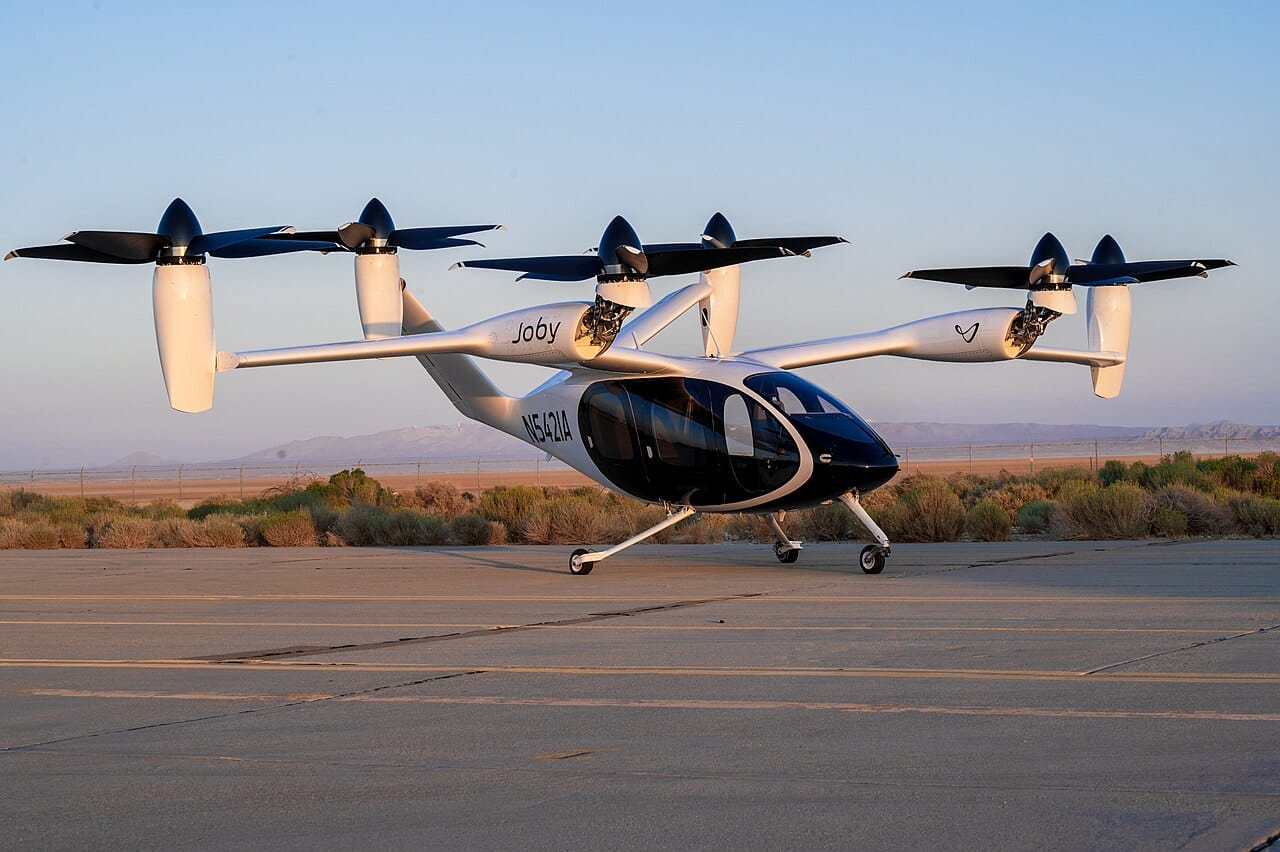
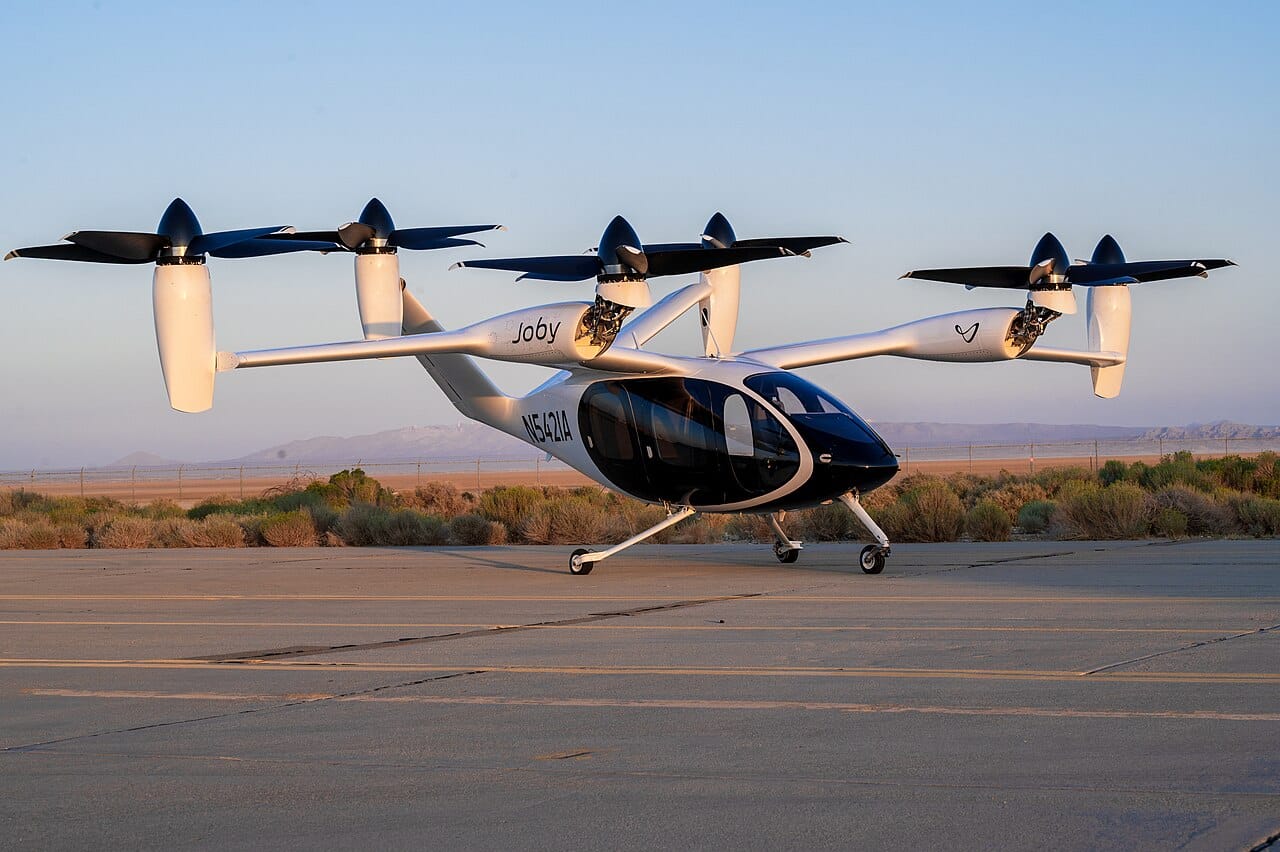
New York City (NYC) has witnessed its first electric air taxi demonstration flights between Manhattan and John F. Kennedy International Airport, marking a step toward faster urban travel.
The aircraft completed point-to-point test flights across the city as part of a multi-day campaign linked to a federal pilot program. The effort aims to study how next-generation aircraft can operate safely in dense urban airspace.
The test flights are designed to explore routes that could connect Manhattan heliports with JFK in under 10 minutes. The same trip by car often takes one to two hours, depending on traffic.
The aircraft takes off and lands vertically, like a helicopter. Once airborne, its propellers tilt forward, allowing it to fly like a plane. Operators say the aircraft is quieter than traditional helicopters and produces no operating emissions because it runs on electricity.
It can carry up to five people, including a pilot. The recent flights did not include paying passengers. Commercial service will require full approval from federal regulators.
The New York tests allow officials to study how electric air taxis perform in one of the world’s busiest airspaces. Authorities are reviewing noise levels, flight paths, and how the aircraft can operate alongside existing airport and heliport traffic.
I’m NYC just saw its first electric air taxi flight.
Joby Aviation flew from John F. Kennedy International Airport to Downtown Manhattan in 7 minutes, quiet, zero emissions, and a glimpse of traffic-free travel. pic.twitter.com/XlQNtrBjuu
— Science girl (@sciencegirl) April 29, 2026
The Port Authority of New York and New Jersey supported the campaign. Officials said the flights will help assess how new aviation technology could improve transportation across the region.
Earlier demonstrations were conducted in controlled settings. The latest campaign focuses on direct routes between two active locations, offering a more realistic test of urban operations.
The flights are part of a broader federal initiative to test advanced aircraft in real-world conditions. In March 2026, the U.S. Department of Transportation and the Federal Aviation Administration selected eight pilot projects across 26 states.
The projects cover several use cases. These include urban air taxis, regional passenger travel, cargo delivery, emergency medical response, autonomous flight systems, and offshore energy transport.
Officials said the pilot program will create one of the largest testing environments for next-generation aviation technology. Data from the projects will help shape future regulations and safety standards.
Widespread use of electric air taxis depends on regulatory approval. The Federal Aviation Administration introduced new rules for powered-lift aircraft in 2024, outlining how these aircraft should be operated and how pilots should be trained.
Companies involved in the tests are now in the later stages of the FAA’s five-step certification process. Final approval is still required before passengers can be carried in regular commercial service.
For now, the flights offer a glimpse of a possible future for city travel. Electric air taxis could reduce travel time, cut noise, and lower emissions. Regulators must still decide how these aircraft can safely fit into already crowded skies.