Archaeologists in Belize have uncovered new evidence that ancient Maya pilgrims continued to visit sacred ruins long after major cities collapsed, including a newly identified altar associated with Postclassic Maya ritual activity.
The study, led by Victoria A. Ingalls and published in the journal Latin American Antiquity, examined two archaeological sites in northwestern Belize, Kaxil Uinik and Ayiin Winik.
Researchers found signs that Late Postclassic Maya visitors reset broken monuments, burned incense, and left offerings at abandoned ceremonial centers centuries after the end of the Classic Maya period.
The findings suggest that while political systems declined across the Maya lowlands by around A.D. 900, important religious traditions survived and adapted to changing social conditions.
Researchers said the southeastern Three Rivers Region of Belize experienced a major population decline during the Terminal Classic period between about A.D. 810 and 900. Most large centers were abandoned, and archaeologists have found little evidence of permanent settlement in the region for hundreds of years afterward.
Despite that decline, later Maya groups continued returning to the old cities for ritual purposes.
Archaeologists discovered offerings and ceremonial objects left near monuments and temple structures at several abandoned sites across the region. These items included fragments of incense burners known as “Chen Mul” incensarios, which are linked to Late Postclassic religious practices.
Researchers believe the visits were likely pilgrimages rather than signs of permanent occupation.
The study also found evidence that pilgrims intentionally moved and repositioned older monuments as part of ceremonies that reshaped the meaning of these ancient places.
At Kaxil Uinik, a smaller site located west of Chan Chich, archaeologists reexamined a broken stone monument first recorded in the 1930s.
The monument, known as Stela 1, had broken into two pieces. Researchers determined that the upper fragment had later been reset upright after the monument collapsed.
Archaeologists in Belize uncovered evidence that ancient Maya pilgrims continued visiting abandoned sacred cities centuries after collapse.
Researchers also identified a rare Postclassic Maya altar linked to ritual offerings, incense burning and reset stone monuments. pic.twitter.com/xGR1vxAvJ6— Tom Marvolo Riddle (@tom_riddle2025) May 28, 2026
Excavations around the stela uncovered 24 fragments of Late Postclassic incense burners, including one piece showing a modeled human face.
Because the incense fragments were found directly around the repositioned monument, researchers said the evidence strongly suggests that later Maya visitors intentionally reused the stela during ritual activity.
A similar pattern appeared at Ayiin Winik, a larger Maya center known for its monumental plaza and unusual double ballcourt.
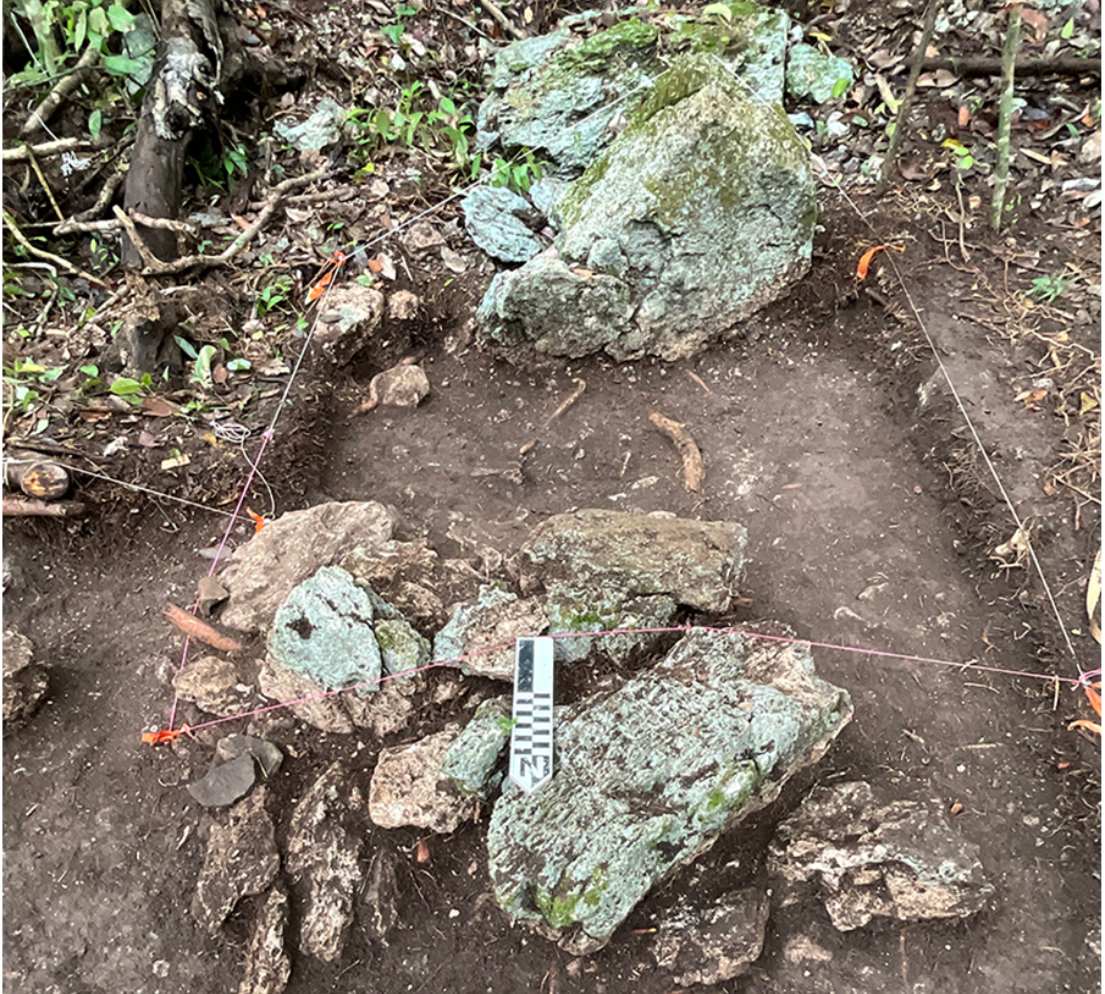
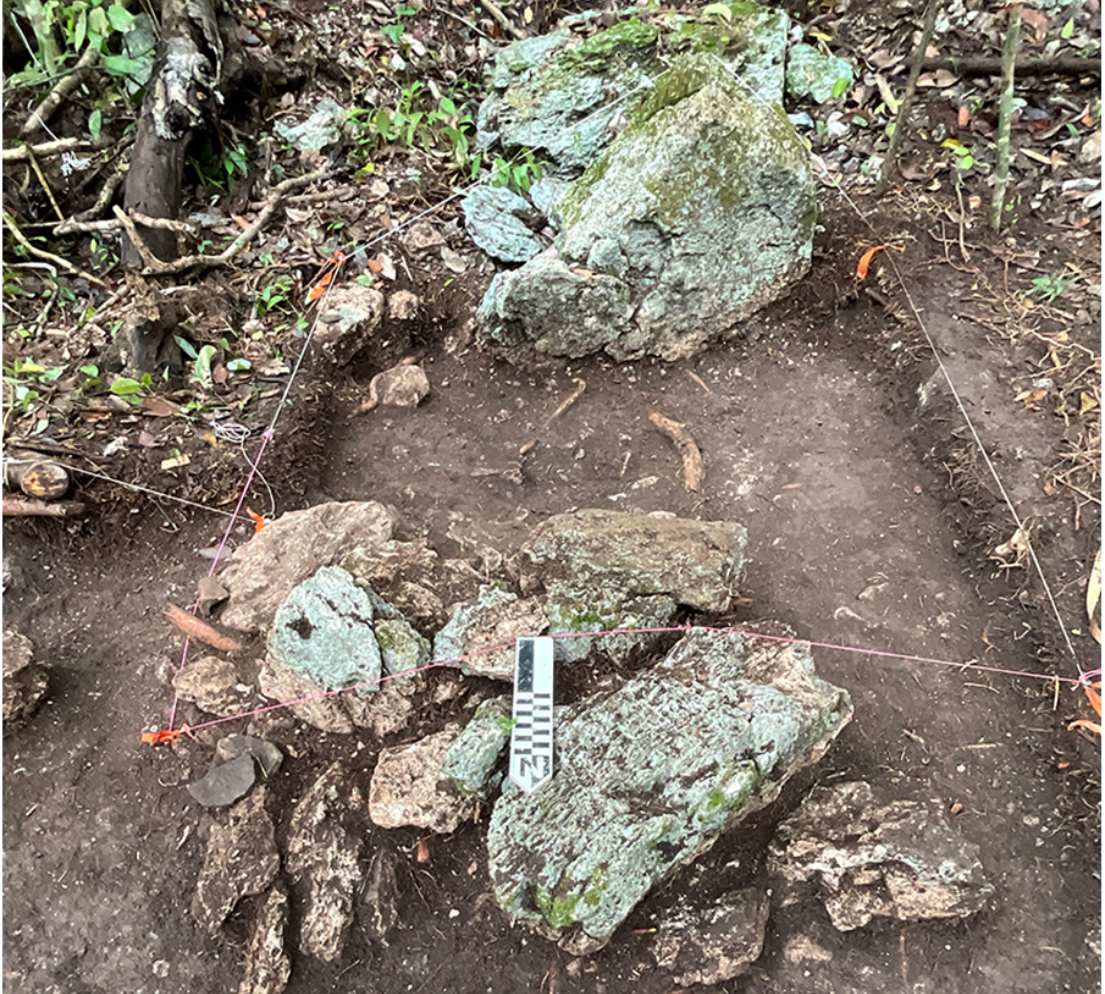
Researchers found another broken stela there, along with a circular pile of limestone blocks about 125 centimeters wide. Excavators initially thought the stones were simply collapsed building debris. Further analysis showed the rocks had been deliberately arranged into a small altar.
Late Postclassic incense burner fragments were discovered directly on top of and around the stone feature. Researchers said the arrangement points to ceremonial activity carried out long after the site had been abandoned.
The study suggests these visits were deeply connected to memory, identity, and sacred tradition. At Ayiin Winik, researchers found that the upright fragment of the stela had been repositioned to face the altar directly, changing its original alignment within the plaza.
Researchers believe the deliberate rearrangement may reflect attempts by later Maya groups to reinterpret older political and religious symbols within a new ceremonial setting.
Similar Postclassic ritual activity has also been documented at other Maya sites in Belize, including Xunantunich and Chan. At those locations, pilgrims built small altars and left offerings near older monuments and ceremonial buildings.
The researchers noted that rough stone altars like the one at Ayiin Winik may have been overlooked in earlier excavations because they do not resemble formal carved monuments. They said additional examples could remain undiscovered at abandoned Maya sites across the region.
The study concludes that Postclassic Maya communities maintained strong spiritual connections to ancient ceremonial landscapes even after the collapse of Classic Maya political power. Rather than abandoning these sacred places, later pilgrims continued reshaping them through ritual practices that linked the past with changing religious traditions.