
The Greek community of Imbros is rebuilding its presence on the island after decades of displacement, demographic decline, and policies that transformed one of the Aegean’s historic centers of Hellenism.
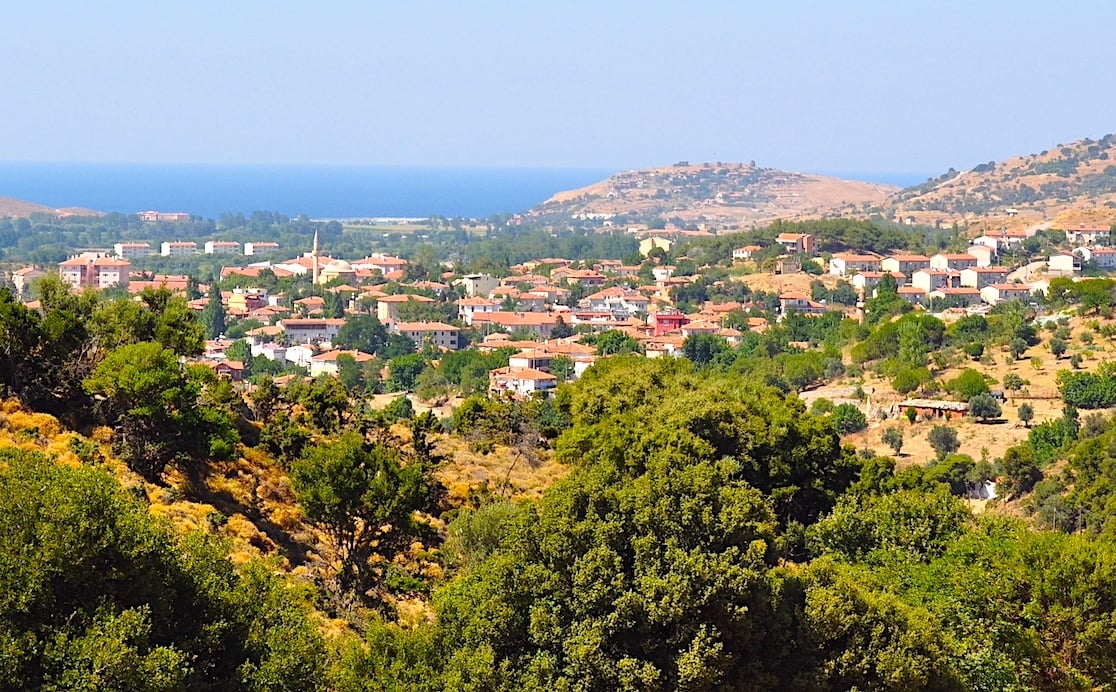
Imbros, known in Turkish as Gökçeada, lies in the northeastern Aegean Sea near the entrance to the Dardanelles. The island has long held a special place in Hellenism, Orthodox Christianity, and the history of the Greek minority in Turkey.
Eleni Apistola, president of the Imbrian Association, told Greek Reporter that the Greeks of Imbros are experiencing a fragile but meaningful revival, with education, church life, cultural activity, and the gradual return of families to their ancestral homeland now driving that effort.
“The history of Imbros is not simply the past. It is responsibility and perspective,” Apistola told Greek Reporter. She added that every return to the island, every cultural event, and every effort to support the local community helps sustain the Greek presence there.
According to Apistola, the 1923 Treaty of Lausanne decisively shaped the modern course of the Greek community of Imbros. The treaty left Imbros and Tenedos under Turkish sovereignty, although their populations were then almost entirely Greek.
Article 14 of the treaty provided for special local administration and protections for the islands’ non-Muslim population. Apistola said Turkey never implemented those guarantees in practice. Instead, authorities confiscated communal properties and banned the teaching of the Greek language on both islands.
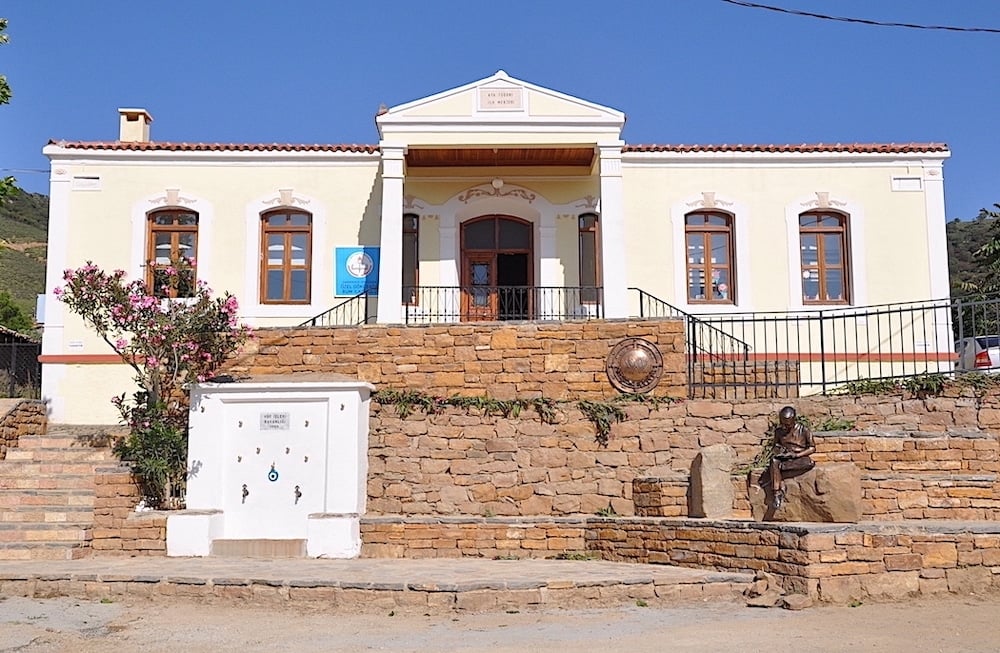
The community saw improvement between 1951 and 1964, when Greek education resumed and the island’s Greeks experienced intellectual and economic growth. Greek schools operated with hundreds of pupils, and the Central School opened. The future Ecumenical Patriarch Bartholomew studied there.
That period gave way to what Apistola described as a systematic process of de-Hellenization from 1964 through the 1980s. Authorities closed Greek schools, expropriated agricultural land, restricted livestock farming and fishing, established open agricultural prisons, and relocated Muslim settlers to the island, changing the demographic balance.
For decades, the authorities also restricted access to Imbros through short-term special permits for visitors. Apistola revealed that such policies pushed the overwhelming majority of the Greeks of Imbros to leave for Greece and other countries. Around 6,500 Greeks of Imbros abandoned their ancestral homes.
After 1990, as restrictions on access to the island eased, Greeks of Imbros gradually began visiting their homeland again, either on vacation or with the goal of resettling.
A major turning point came in 2003, when young Greeks of Imbros formed the Coordinating Committee of Imbrians. Their work helped internationalize the Imbros issue and contributed to the Council of Europe’s 2008 adoption of Resolution 1625 on Imbros and Tenedos.
The resolution set out a roadmap for the survival of the Greek presence on the two islands and placed the reopening of Greek schools among its key priorities. Apistola noted that members of the Turkish delegation to the Parliamentary Assembly of the Council of Europe also supported the resolution.
In 2013, after years of work by Imbrian organizations in Greece, Greeks of Imbros around the world, and Ecumenical Patriarch Bartholomew, the Greek minority primary school reopened on Imbros. A middle school and high school followed two years later.
Apistola said the reopening of the schools, fifty years after their closure, gave the Greek community of Imbros new momentum. It encouraged families to return, restore their homes, and imagine a future on the island once again.
Daily life for Greeks who live permanently on Imbros has become calmer and more organized than in previous decades, Apistola told Greek Reporter, although serious challenges remain.
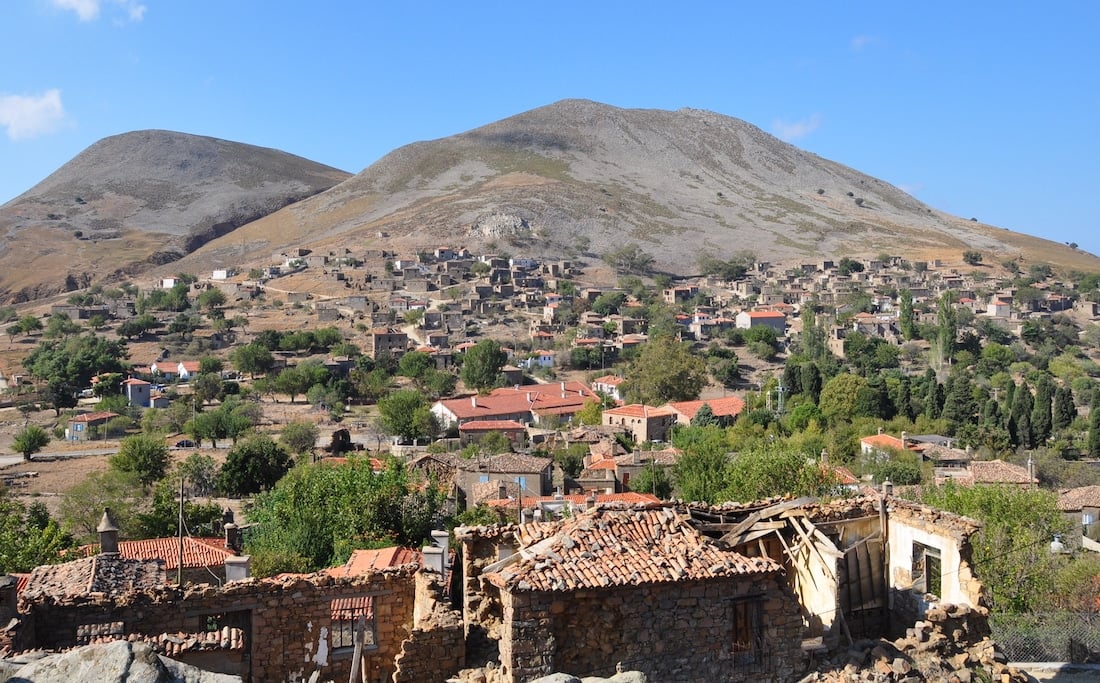
The Greek community maintains schools, churches, cultural activities, and a visible presence, especially in the island’s four remaining Greek villages. Around six hundred permanent residents of Greek origin now live on Imbros. About fifty students attend Greek schools across all levels, and more than forty students have already graduated from them. Over the past fifteen years, Apistola said, the community has seen a gradual revival. Some families have returned, professional activity has increased, and cultural life has grown stronger.
Many Greeks on the island work in restaurants, tourism, agriculture, livestock farming, and small family businesses. The diaspora also maintains a strong bond with Imbros, as many Greeks of Imbros return seasonally or invest in their ancestral land. For Apistola, Greek education remains one of the most hopeful signs for the community’s future.
Despite recent progress, the Greek community of Imbros still faces serious obstacles. Apistola identified demographics as the most urgent challenge. The number of permanent Greek residents remains small, and the population continues to age.
She also pointed to unresolved problems involving property, inheritance rights, bureaucracy, economic development, and the preservation of Greek language and identity among younger generations. The community’s future, she said, depends on job creation, sustainable development, and the ability to encourage young families to settle permanently on the island.
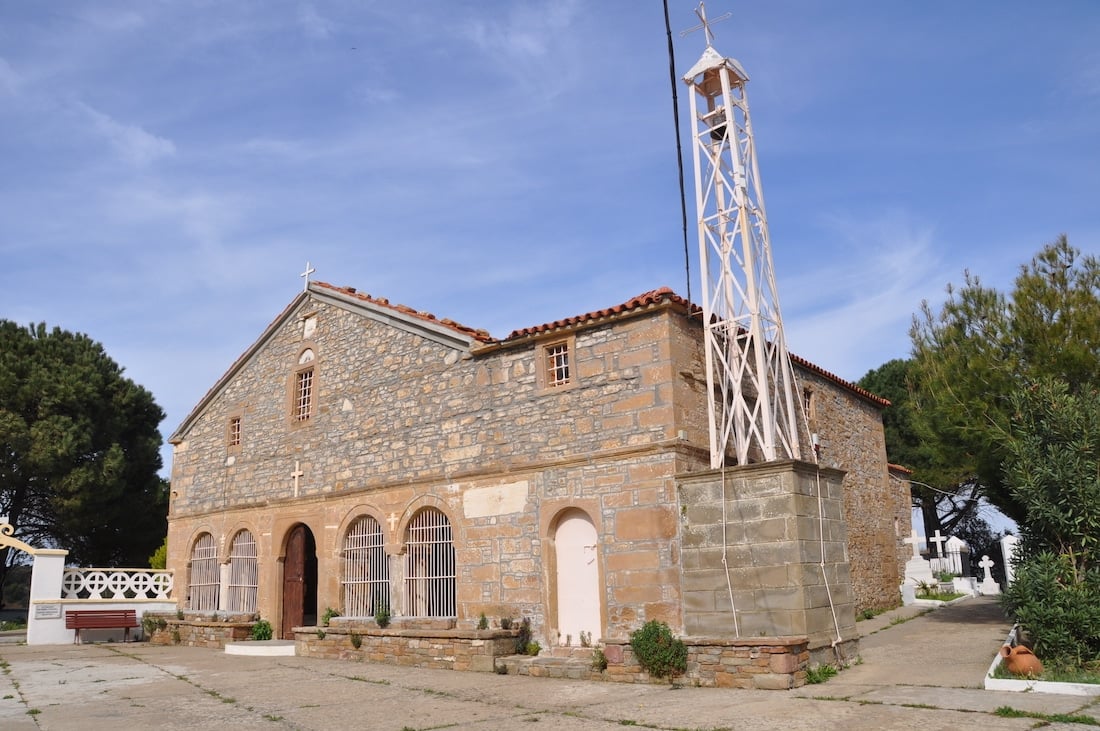
The Imbrian Association was founded in Athens in 1945 and moved its headquarters to Nea Smyrni in 1975. Today, it is the largest Imbrian organization in the world and plays a leading role in preserving historical memory and keeping Greeks of Imbros in the diaspora connected.
Apistola said the association works to protect Imbrian cultural heritage, promote the rights of Greeks of Imbros in their homeland, and support those who have returned to the island in recent decades. Together with the Imbrian Union of Macedonia-Thrace, the association has become a key source of support for Greeks of Imbros who resettle in their ancestral homes.
In 2016, the Imbrian Association gained Special Consultative Status with the United Nations Economic and Social Council. Apistola described this as the result of years of participation in international forums through civil society and citizen diplomacy. She said the association aims to present the Imbros issue as a matter of fundamental human rights and freedoms.
The association also organizes cultural events, seminars, and publications dedicated to Imbrian identity. It keeps the community’s concerns visible in Greek public life and maintains channels of communication with Turkish authorities and Turkish society.
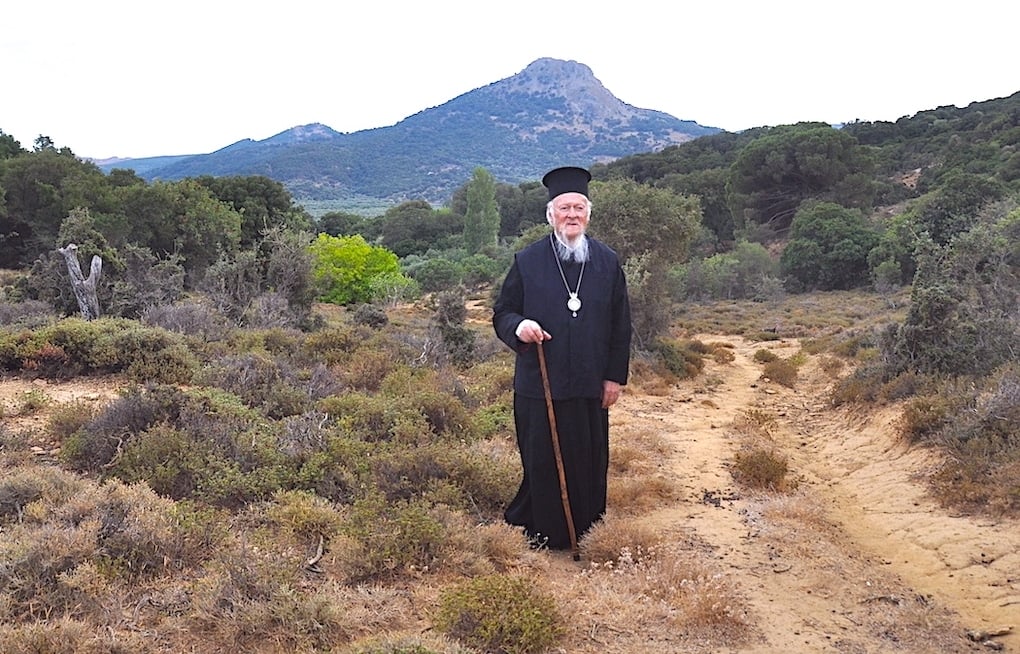
Ecumenical Patriarch Bartholomew, who was born on Imbros, has played a decisive role in bringing international attention to the island, Apistola told Greek Reporter. According to Apistola, his personal journey, from a small village on Imbros to the highest office of the Orthodox Church, gives powerful symbolic meaning to the story of the Greek community of Imbros.
In her public remarks, Apistola said, the Patriarch often refers to his birthplace, highlights the struggle of the Greeks of Imbros for survival, and calls for the practical restoration of injustices suffered by the island’s Greek Orthodox minority. She cited the 2024 Pan-Imbrian Conference in Athens, organized by the Imbrian Association, as one important example. There, she said, the Patriarch connected historical memory with the future of the community.
This year, Patriarch Bartholomew is expected to celebrate his name day on June 11 on Imbros, drawing religious and other figures from around the world. Apistola also noted that international attention will return to the island in August, when he visits for the 65th anniversary of his ecclesiastical ministry following his ordination as a deacon at the Cathedral of Panagia on Imbros. The anniversary coincides with the 35th anniversary of his election as Ecumenical Patriarch.
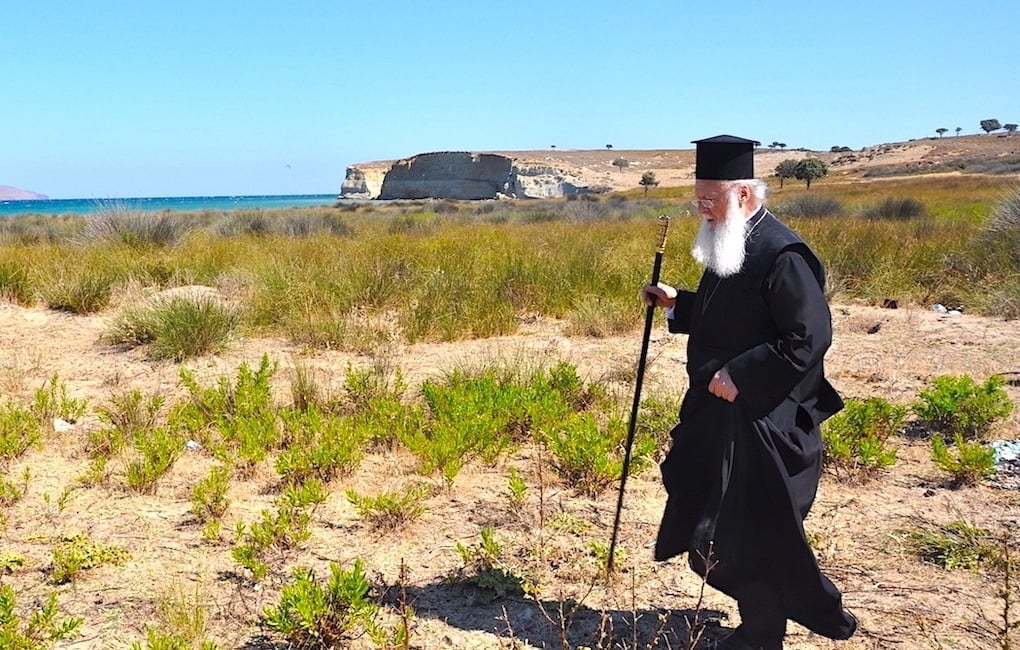
Apistola urged young Greeks of Imbros to maintain their connection to their roots, traditions, language, and historical memory. She described Imbros not simply as a place of origin but as a living symbol of resilience, culture, and continuity for Hellenism. Young people are encouraged to remember the stories and experiences of their ancestors, continue to defend the rights of their community, and visit the island often.
Support for the island’s permanent residents, schools, and Church are vital as is taking part in cultural initiatives in Greece, the United States, Australia, Europe, South Africa, and especially on Imbros itself.
Apistola also sent a message of unity and encouragement to Greeks of the diaspora. She described the revival of Imbros as a “small miracle” based on selfless love, methodical work, and a shared vision for a special corner of Hellenism. Even small communities, she said, can survive and rise again when they have unity, faith, and active participation.