Archaeologists have uncovered a well-preserved Byzantine-era residential city in Egypt’s Dakhla Oasis, revealing new evidence of how people lived, worked, and worshipped in one of the country’s ancient desert communities.
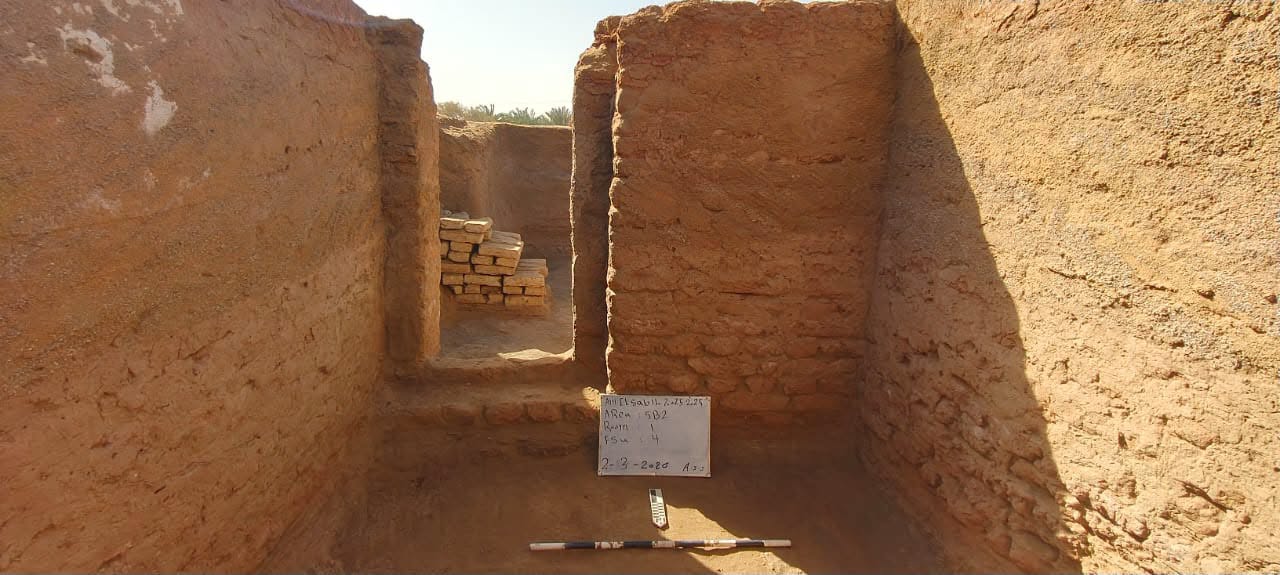
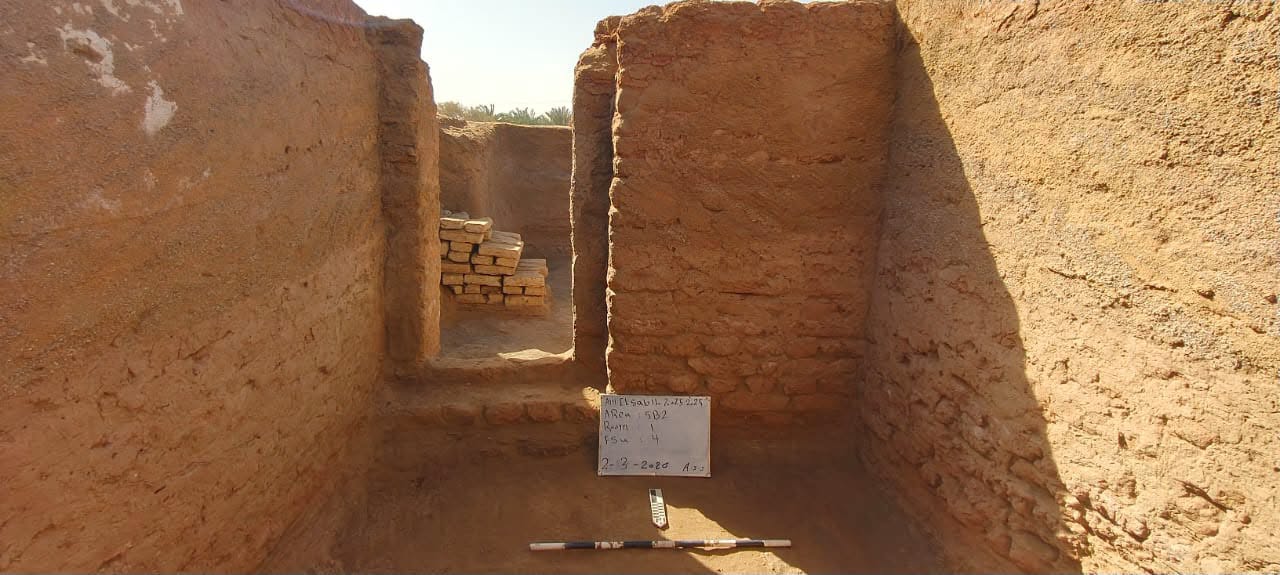
The discovery was made by an Egyptian archaeological mission from the Supreme Council of Antiquities during ongoing excavations at the Ain Al-Sabil archaeological site in New Valley Governorate. The settlement, built entirely from mudbrick, is one of the most complete Byzantine-period urban sites found in Egypt’s Western Desert.
Egypt’s Minister of Tourism and Antiquities, Sherif Fathy, described the discovery as an important addition to the country’s archaeological record. He said it highlights the cultural diversity that flourished in Egypt’s oases across different historical periods.
He added that the find is expected to strengthen New Valley Governorate’s archaeological and tourism appeal while supporting efforts to promote the region as a destination for cultural tourism.
Dr. Hisham El-Leithy, secretary-general of the Supreme Council of Antiquities, said the excavation provides valuable new information about life in Dakhla Oasis during the Byzantine period. He said the discoveries have helped researchers better understand the settlement’s urban design, social organization and economic activities.
Dr. Diaa Zahran, head of the Islamic, Coptic and Jewish Antiquities Sector at the Supreme Council of Antiquities, said the city followed a carefully planned layout.
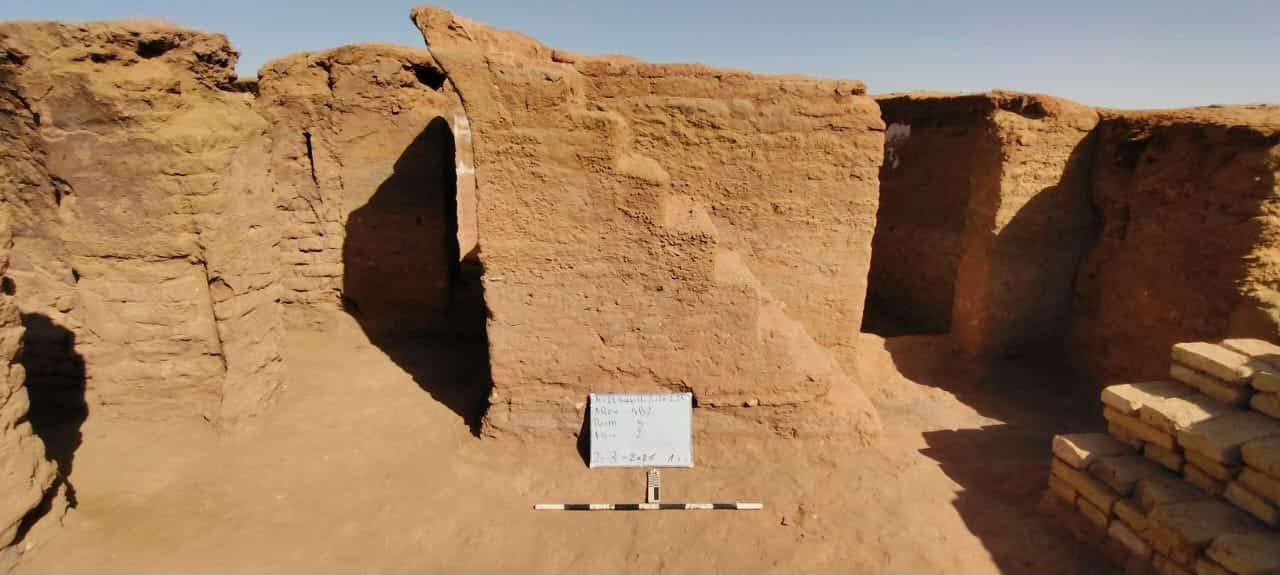
Broad streets running north to south intersected with smaller roads running east to west, creating open squares and courtyards throughout the settlement. A basilica-style church overlooked one of the city’s main streets, reflecting its central role within the community.
Dr. Mahmoud Masoud, director general of Dakhla Antiquities and head of the archaeological mission, said the city contained all the key features of a thriving residential settlement.
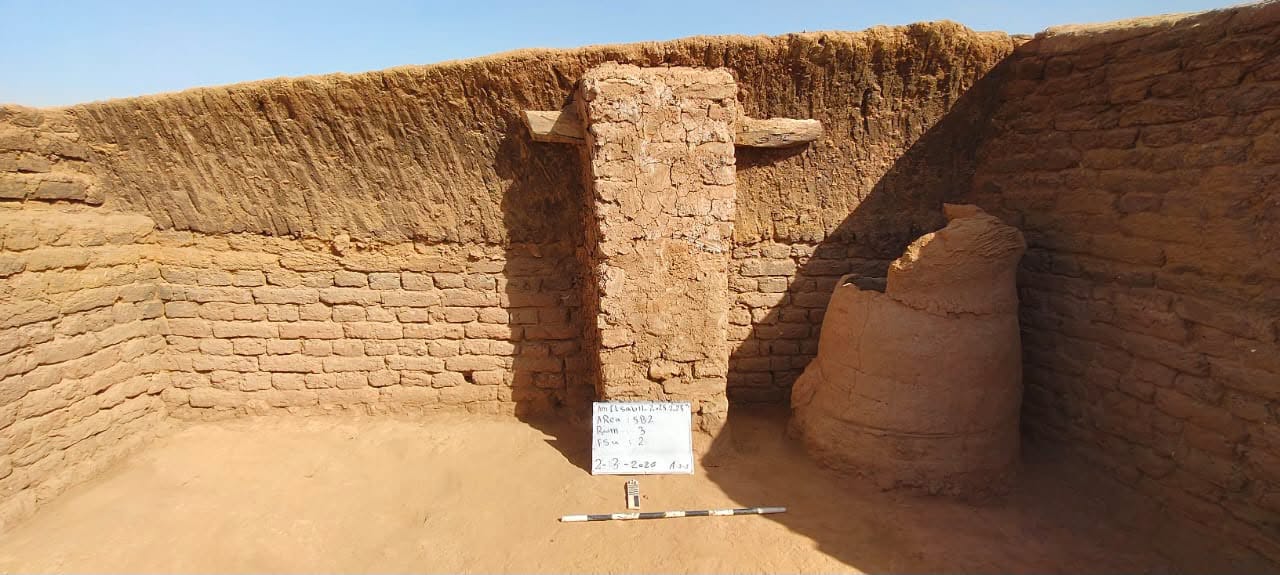
Archaeologists uncovered a basilica-style church dating to the mid-fourth century A.D., the remains of two watchtowers along the city’s perimeter and a heavily fortified structure with thick defensive walls.
The residential district included homes with spacious halls and vaulted ceilings, along with bread ovens, kitchens and stone tools used to grind grain. The discoveries provide fresh insight into the infrastructure that supported everyday life in the desert settlement.
Among the best-preserved buildings was the house of Tisus, a church deacon, which dates to the second half of the fourth century A.D. Archaeologists also uncovered the house of Tapibos, dating to the early fourth century A.D. Researchers believe it served as a house church before the city’s basilica was constructed.
The excavation produced a diverse collection of artifacts reflecting the settlement’s domestic life and economy. Researchers recovered household pottery, bottles used to store oils and perfumes, oil lamps, and stone grinding tools.
Dr. Zahran Mahdi, director of the Excavations Department at the Islamic and Coptic Antiquities Sector, said one of the most significant discoveries was a collection of about 200 ostraca, or inscribed pottery fragments, written in both Coptic and Greek.
The texts record commercial transactions, personal correspondence and other aspects of daily life, offering a rare look at the administration and social life of the community.
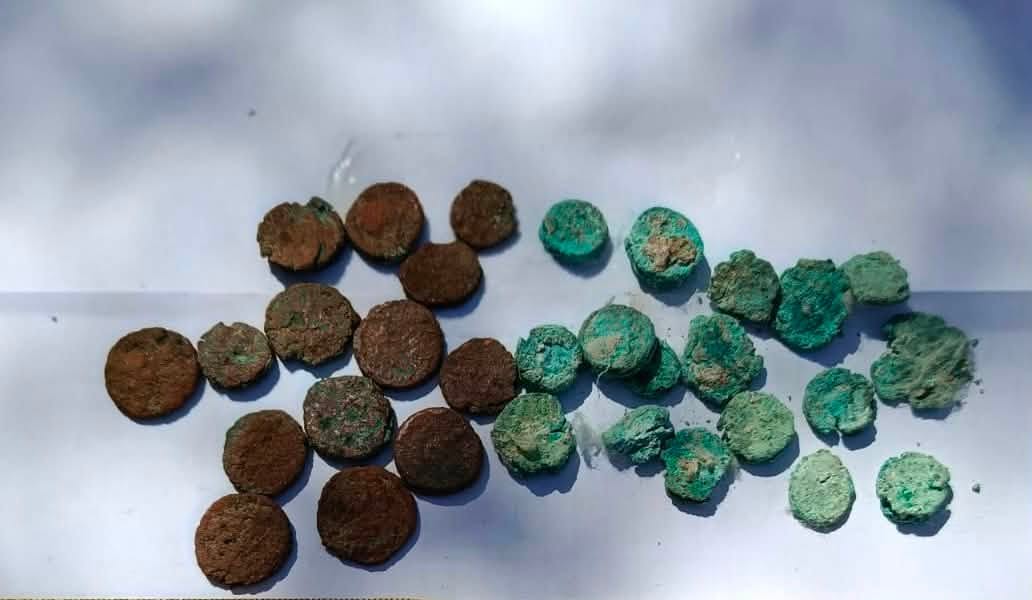
Archaeologists also uncovered numerous well-preserved bronze coins bearing portraits of Byzantine emperors, Latin inscriptions and Christian symbols. The mission further discovered a group of gold coins dating to the reign of Byzantine Emperor Constantius II, who ruled from A.D. 337 to 361.
Together with the inscribed ostraca, the coins provide important evidence of the city’s economy, administration and links to the wider Byzantine Empire.