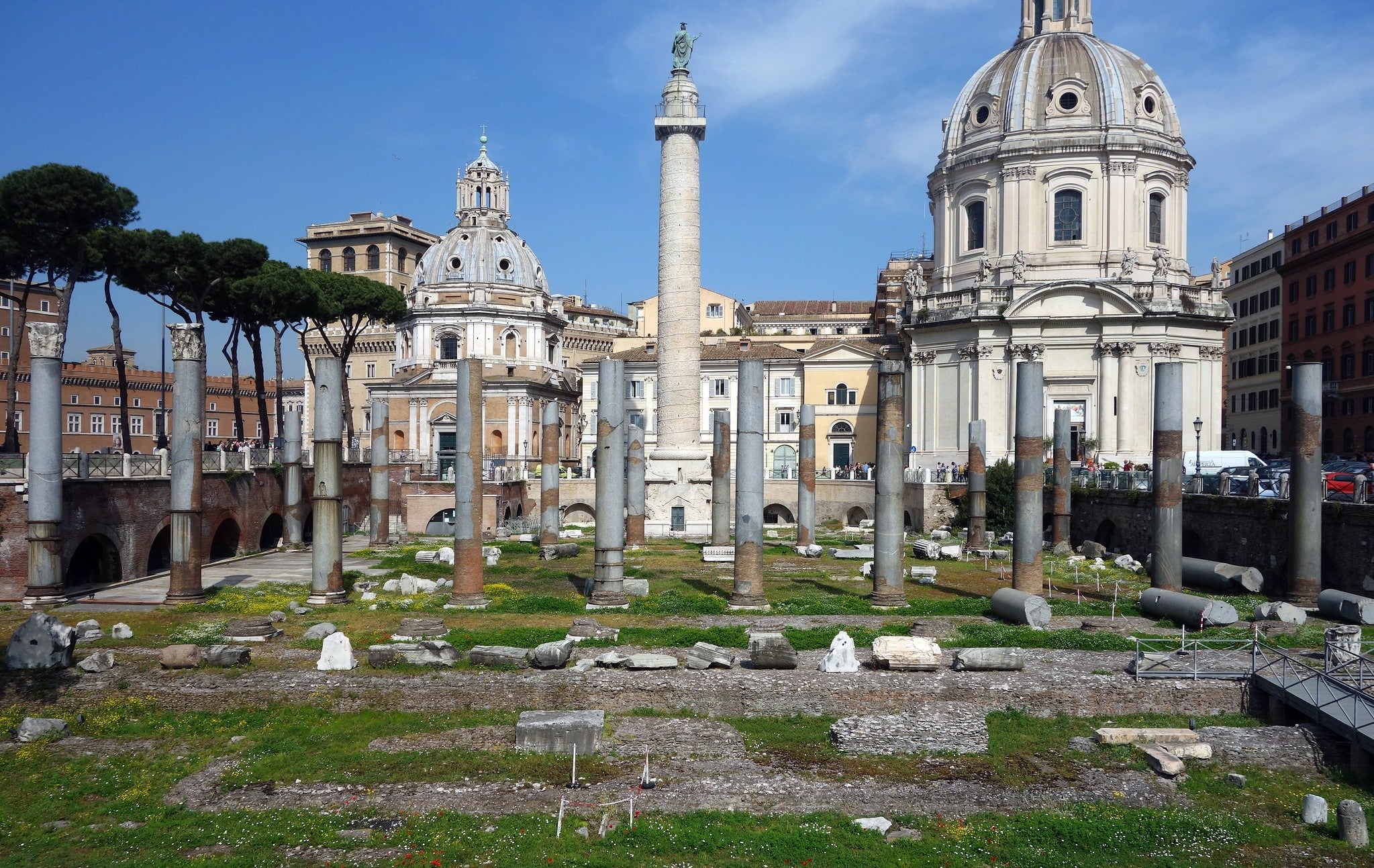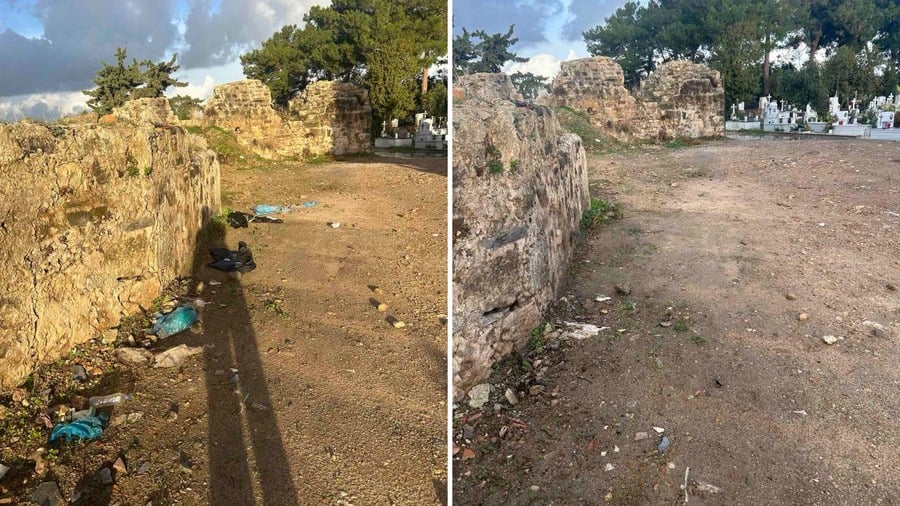
Greece has removed 1,850 tons of waste from archaeological sites across the country through a major cleanup initiative aimed at protecting ancient monuments from the growing threat of climate change and wildfires.
The program, known as the “Cyclone Project,” has carried out interventions at 76 archaeological sites since 2024, collecting more than 4.8 million individual pieces of trash. The initiative is run through a partnership between Greece’s Culture Ministry and the Athanasios C. Laskaridis Charitable Foundation.
Officials presented the results this week at the National Gallery in Athens, offering a rare picture of the environmental burden that has built up around some of Greece’s most important ancient and medieval sites.
For decades, Greece’s efforts to protect its monuments focused mainly on restoration, conservation, and repairing the damage caused by time. But as wildfire seasons become more destructive and extreme heat places additional pressure on historic landscapes, officials are paying closer attention to the areas surrounding archaeological sites.
Accumulated waste, overgrown vegetation, and neglected terrain can turn historic locations into high-risk zones, especially during the summer months.
According to figures presented at the event, the total volume of debris removed over the past two years equals five times the volume of the Temple of Poseidon at Sounion, the ancient sanctuary overlooking the Aegean Sea south of Athens.
The Cyclone Project operates with four active field teams made up of around 80 workers. More than 5,600 volunteers support the crews, who carry out daily operations that include surface cleaning, waste removal, vegetation clearance, and management of the surrounding landscape.
Each team removes more than one ton of waste per day, organizers said.
Officials stressed that the project goes beyond improving the appearance and accessibility of archaeological sites. They said the interventions also aim to reduce wildfire risk and strengthen preventive protection measures as Greece faces increasingly severe climate pressures.
The cleanup work has taken place at some of Greece’s most significant ancient and medieval landmarks.
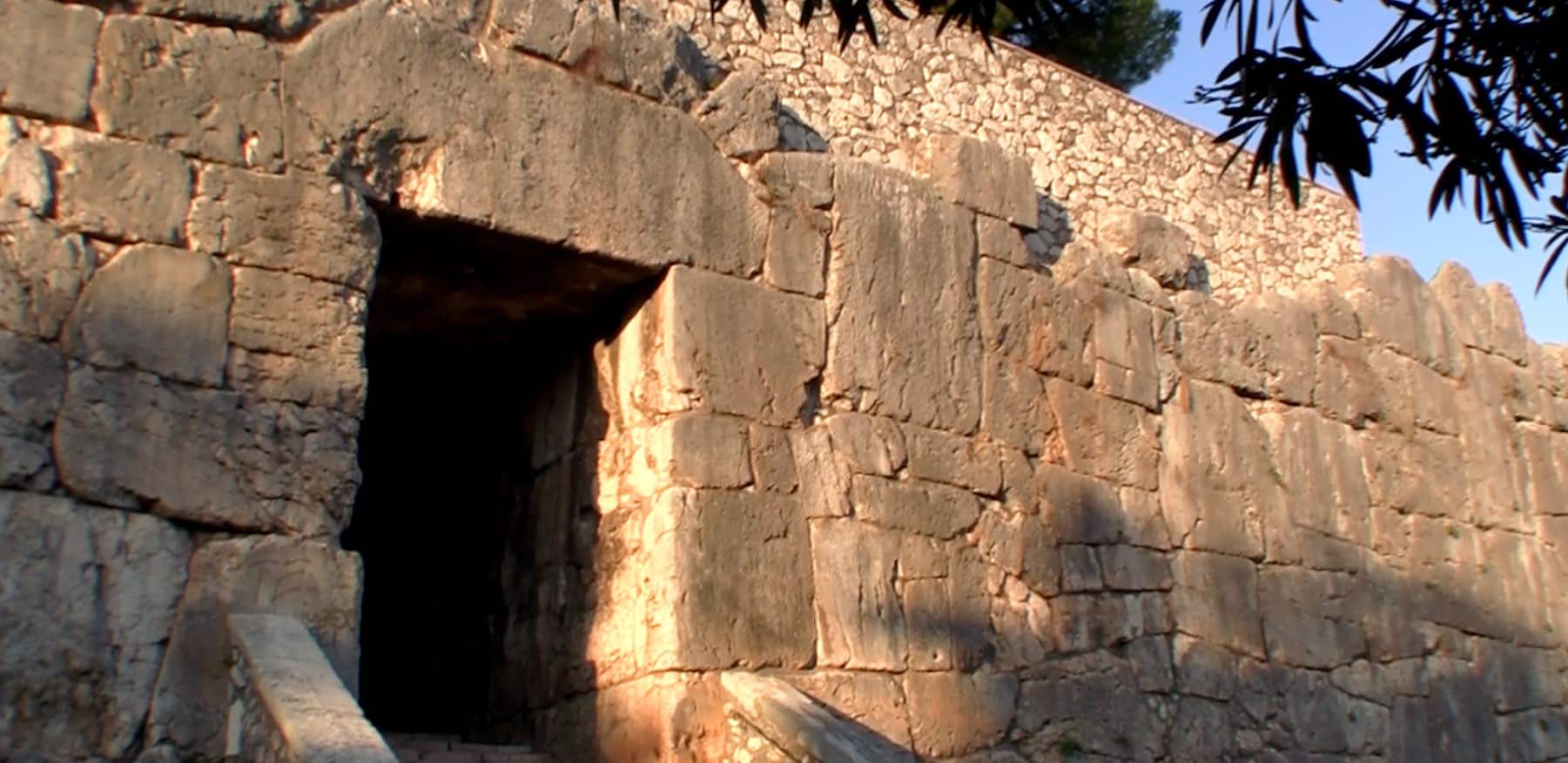
The sites include the Acropolis of Mycenae and the citadel of Tiryns, both Bronze Age fortresses recognized as UNESCO World Heritage Sites. The project has also covered the medieval Byzantine settlement of Mystras in the Peloponnese, another UNESCO World Heritage Site.
Other locations include the Castles of Koroni and Methoni, the ancient sanctuary of Delphi, and the Villa of Herodes Atticus, a second-century Roman estate near Athens that still serves as a performance venue.
The project began in Argolida, in the northeastern Peloponnese, in 2024, covering 23 sites there and another 23 in neighboring Messenia.
In 2025, it expanded into Messenia, Phocis, Ilia, Laconia, and Arcadia. Further expansion into Boeotia and Larissa is planned for 2026.
During the event, the Culture Ministry and the Laskaridis Foundation signed a three-year extension of their memorandum of cooperation, formalizing the continuation of the project and its planned expansion into new regions.
Organizers also presented the related “Typhoon Project,” which focuses on cleaning remote Greek coastlines. Research conducted through that program identified a direct link between marine pollution and inland waste sources.
That finding helped lead to the creation of the Cyclone Project, which now focuses on archaeological sites and their surrounding landscapes before waste and vegetation become greater environmental and fire hazards.