Pompeii has reopened the House of Apollo Citharoedus, one of the largest ancient homes at the site, after months of restoration work. The house is now open to the public for the first time in years.
The home sits along two major streets, Via dell’Abbondanza and Via Stabiana, with a separate entrance on each. It takes up most of a city block. Builders created the house in the first century B.C. by merging two separate homes into one.
That project required major renovation and decoration work at the time. The result is a sprawling complex covering 2,700 square meters (29,063 sq ft), with two atriums and three peristyles, or open courtyards.
Restoration teams from Ales Manutenzione Programmata and Ales S.p.A. carried out the recent work. Crews cleaned and reinforced the walls in nearly every room of the house. The columns in the peristyles received special attention and were structurally strengthened. Workers also restored surfaces and artifacts found throughout the property.
Accessibility improvements were part of the project as well. Crews adjusted the visitor path to smooth out uneven ground and remove physical barriers. The changes follow the standards of “Pompeii for All,” a program designed to make the ruins easier to navigate for every visitor.
The house also marks the launch of a new digital initiative. A smartphone app called Portyl lets visitors see Pompeii as it looked in A.D. 79. The app combines historical research with augmented reality to create an immersive experience for guests.
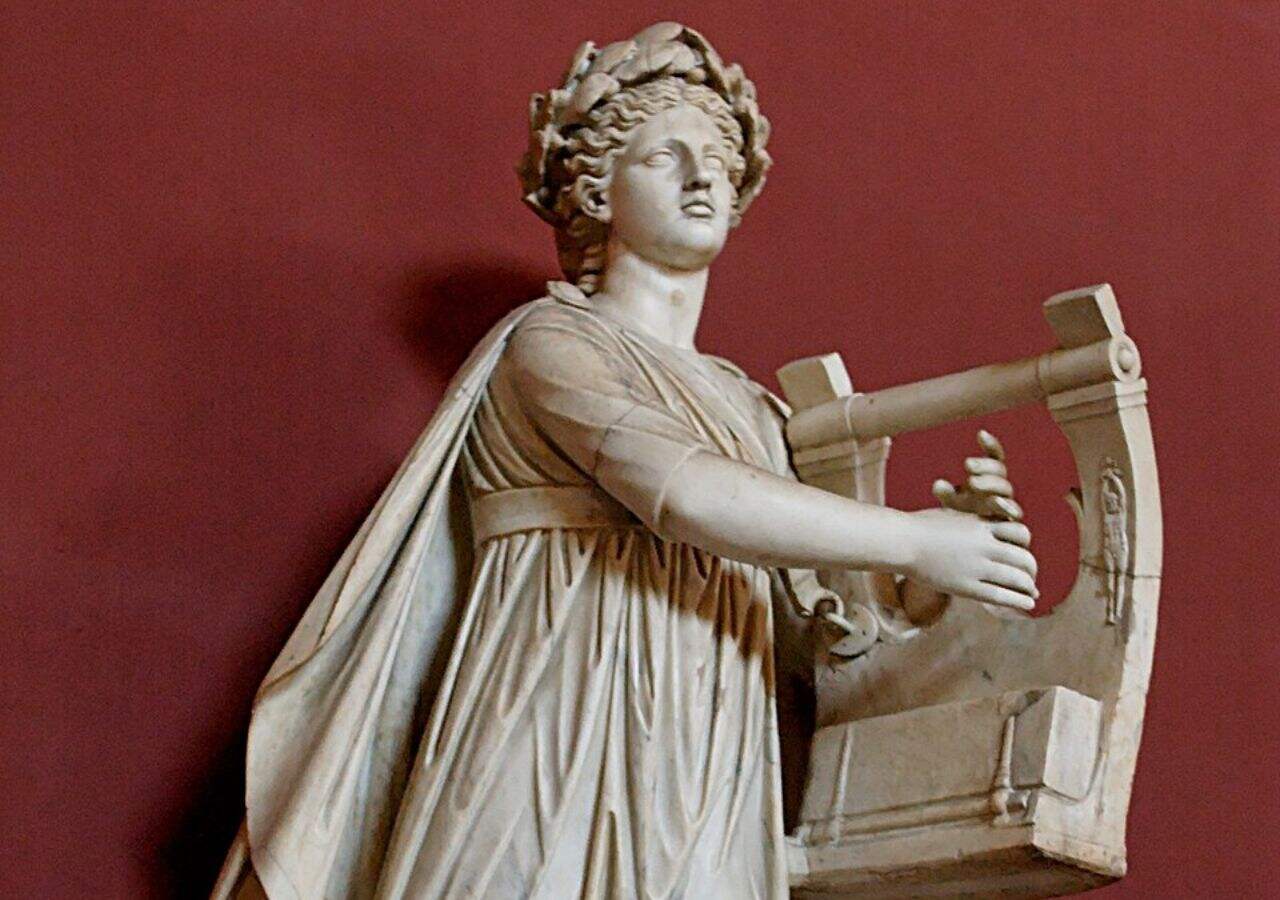
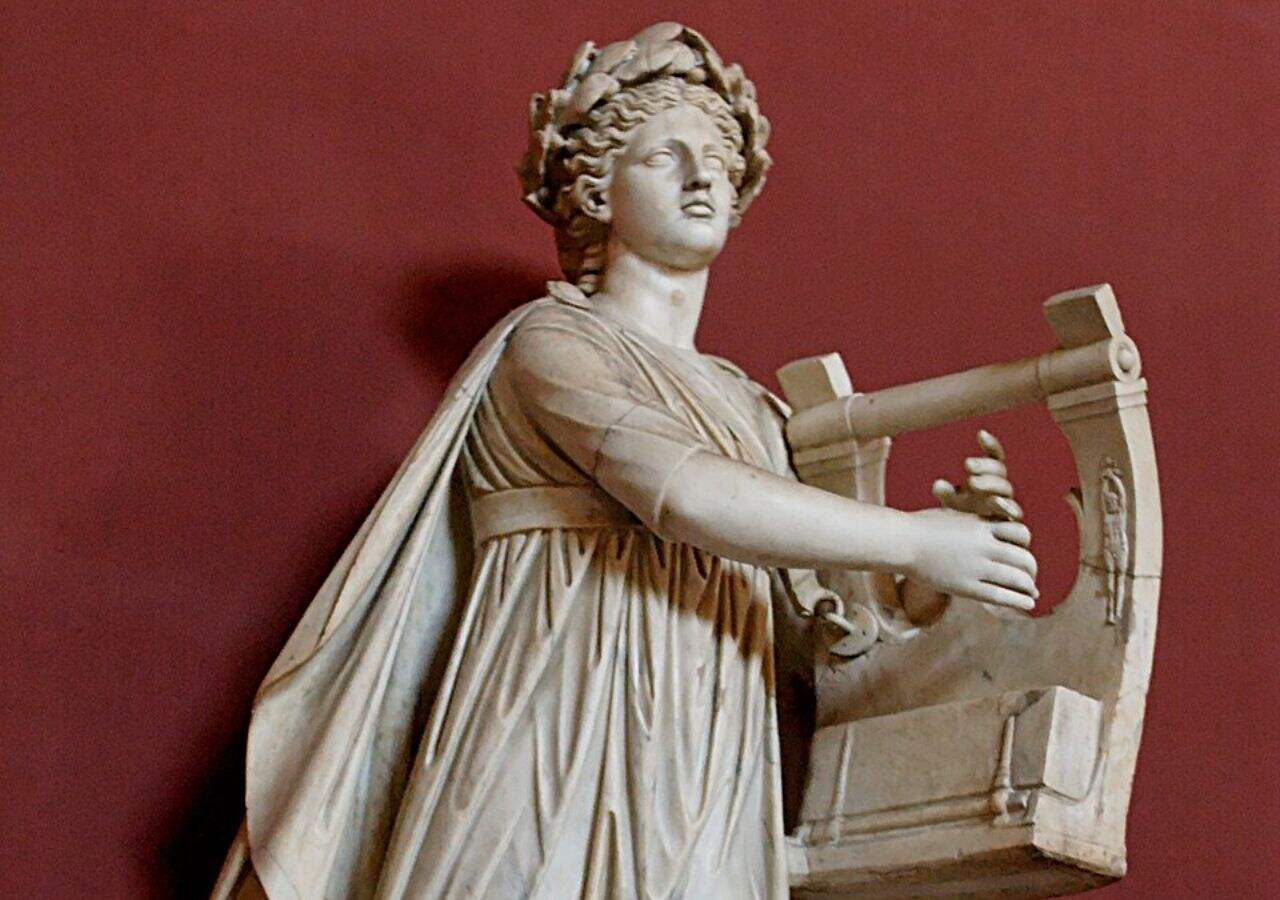
Inside, visitors can now view digitally reconstructed rooms, furniture, and scenes of daily life. The Pompeii house takes its name from a statue of Apollo Citharoedus discovered inside, showing the god holding a cithara, an ancient stringed instrument similar to a lyre.
The digital experience is not limited to this house. Visitors can also use augmented reality to view the Forum, the Amphitheater, the Great Theater, and the Odeion, also known as the Small Theater, as they appeared in ancient times. Officials say the technology offers visitors a deeper look into the heart of the ancient city.