Scientists have long wondered what ancient Romans stored inside the massive ceramic vessels found at Ostia, the port city that once served as Rome’s commercial gateway. Now, a study published in the Journal of Archaeological Science offers the first scientific answers. It points to fish sauce as a likely stored commodity and reveals a sophisticated approach to vessel repair.
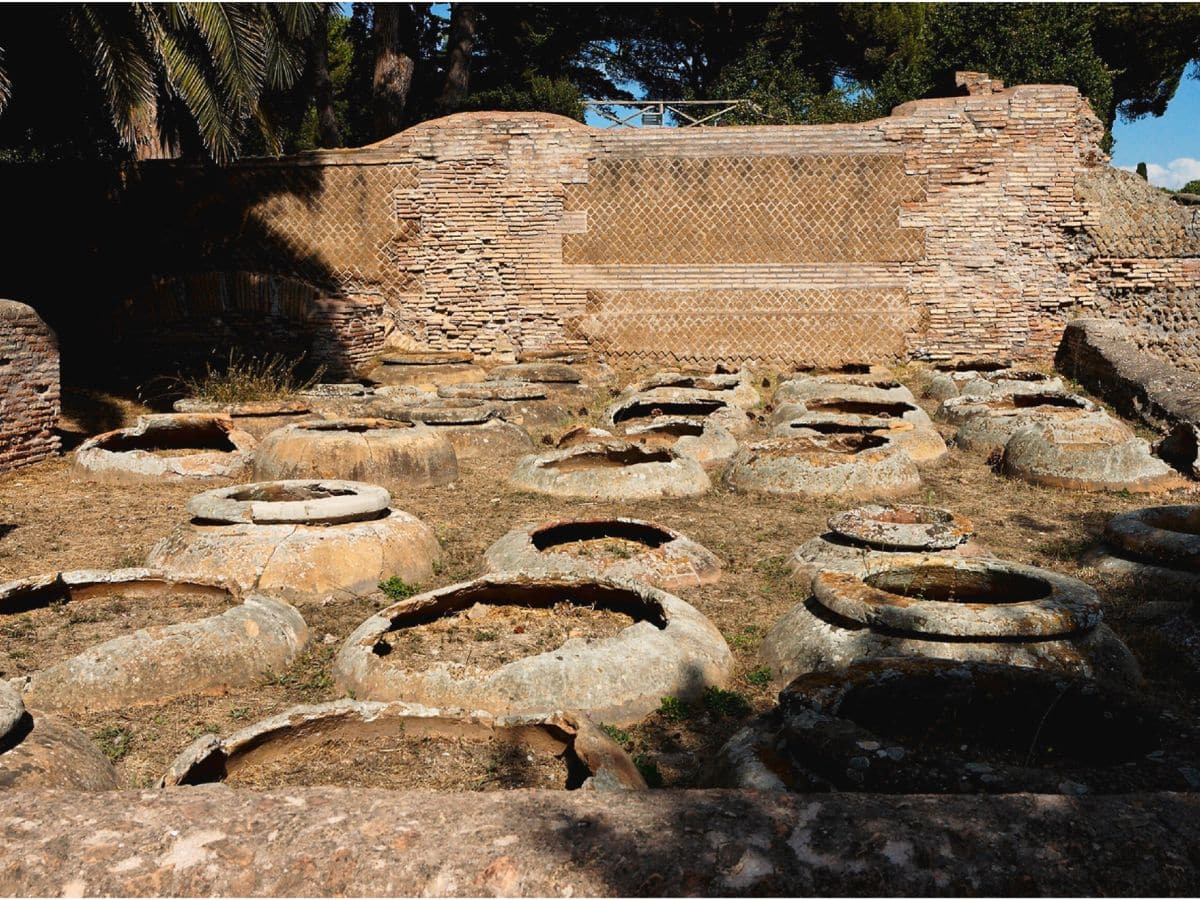
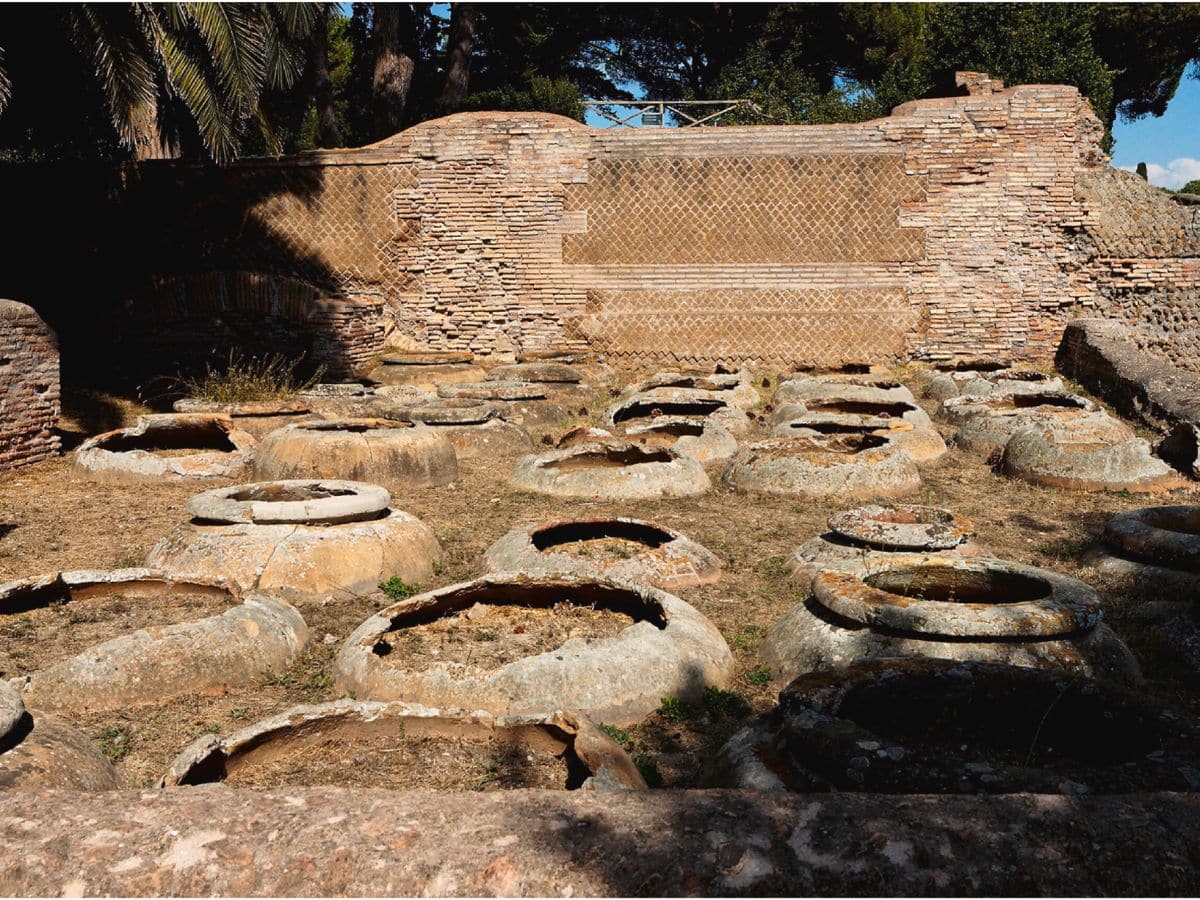
Caroline Cheung of Princeton University’s Department of Classics led the study. Her team analyzed residues from eight large storage jars, known as “dolia,” across three warehouses. They also studied metal reinforcements on four others. Each jar could hold over a thousand liters (over 264 gallons), and more than 150 still stand at the site today.
Using gas chromatography-mass spectrometry, researchers detected degraded fatty acids, amino acid derivatives, and a chemical marker for pine resin inside the jars. Pine resin was commonly applied to coat storage vessels in the Roman world.
No markers for wine, such as tartaric acid or resveratrol, were found. The combination of degraded proteins, lipids, and resin lining is consistent with fish sauce storage, though Cheung cautioned that the chemical evidence alone is not definitive.
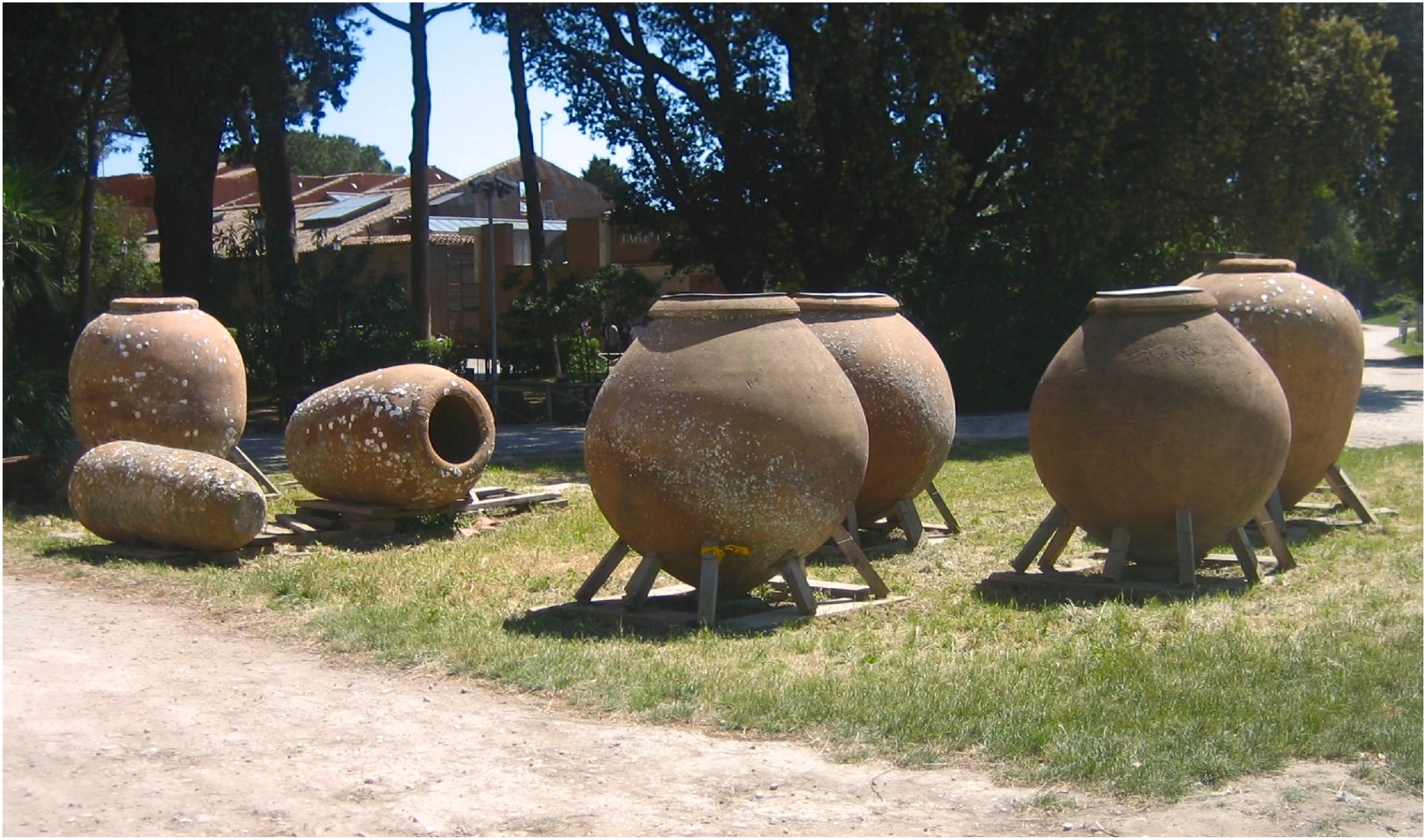
Archaeological context strengthened the fish sauce interpretation. Ostia had active fishing communities, salt pans, and inscriptions referencing fishermen and fish traders. A single ancient amphora fragment found in Austria carried a painted label identifying Ostian fish sauce.
Jars containing fish paste from Ostia have also been recovered in southern France. Cheung noted that Ostia’s geography made it well suited for fish product storage, an aspect of the city’s economy that had gone largely unrecognized.
The study also shed new light on how Romans maintained these expensive jars. When cracks appeared, craftsmen fitted them with metal reinforcements shaped like double dovetails.
Chemical testing revealed these fittings were made from lead mixed with silver and tin, a combination rarely documented in similar repairs elsewhere. The addition of silver and tin likely made the repairs harder and more durable than pure lead alone.
The consistent use of this metal mixture across different warehouses suggests craftsmen in the region followed shared or standardized methods.
The jars were engineered for durability from the very beginning, reflecting both their economic value and the demands of Ostia’s busy warehouse operations.
The warehouses date to the second century, and evidence suggests some were later modified, possibly around the time the jars began holding fish products.